

RLDatix at Digital Health Festival 2026: Conversations Shaping the Future of Care
Digital Health Festival 2026 brought together thousands of healthcare leaders, clinicians, innovators, and technology partners from across Australia and New Zealand — all focused on one shared challenge: how do we build safer, smarter, and more connected healthcare systems for the future?
Across the two-day event, RLDatix was proud to be part of the conversation, engaging with healthcare organisations on everything from workforce pressures and patient safety to AI, governance, and the growing challenge of managing historical healthcare data in an increasingly digital environment.
A Booth Built Around the Future of Connected Care
A Booth Built Around the Future of Connected Care
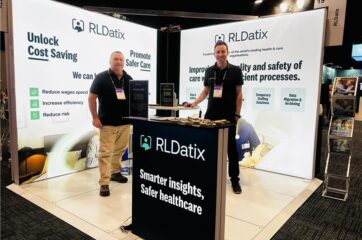
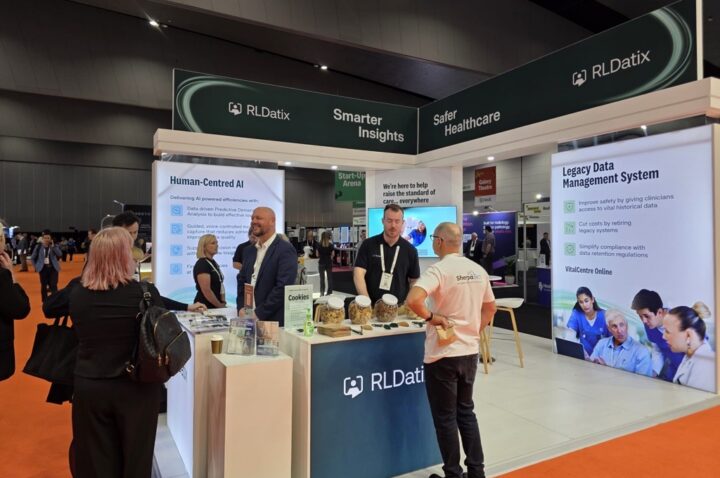
Throughout #DHF26, the RLDatix booth became a hub for practical discussions, live demonstrations, thought leadership, and industry networking. Alongside the cookies, merch giveaways and packed conversations across both days, one thing became very clear — healthcare organisations are actively searching for smarter ways to modernise operations without losing access to the information and systems that still matter most.
This year’s booth experience centred around four key strategic pillars:
Legacy Data Management Systems
One of the strongest discussion points throughout the festival focused on the challenge of retiring costly legacy systems while maintaining secure, compliant, and clinically meaningful access to historical patient and operational data.
Healthcare leaders shared common concerns around governance, auditability, compliance, EMR transitions, and the risks associated with fragmented or inaccessible historical records. RLDatix showcased how organisations can simplify this challenge through a modern legacy data management approach designed to reduce operational complexity and support long-term digital transformation strategies.
Human-Centred AI
Exploring how AI can support healthcare teams through intelligent rostering, AI-assisted incident reporting, and smarter policy management — while keeping people, safety, and operational realities at the centre of innovation.
Promote Safer Care
A continued focus on helping organisations create a culture of learning, build a happier workforce, and reduce avoidable harm through connected governance, risk, compliance, and workforce solutions.
Smarter Workforce Operations
Conversations also focused heavily on workforce flexibility, staffing visibility, intelligent rostering, and operational efficiency — particularly as healthcare and aged care providers continue navigating workforce shortages, fatigue management, and increasing compliance expectations.
Keynote sessions: Rethinking Legacy Systems
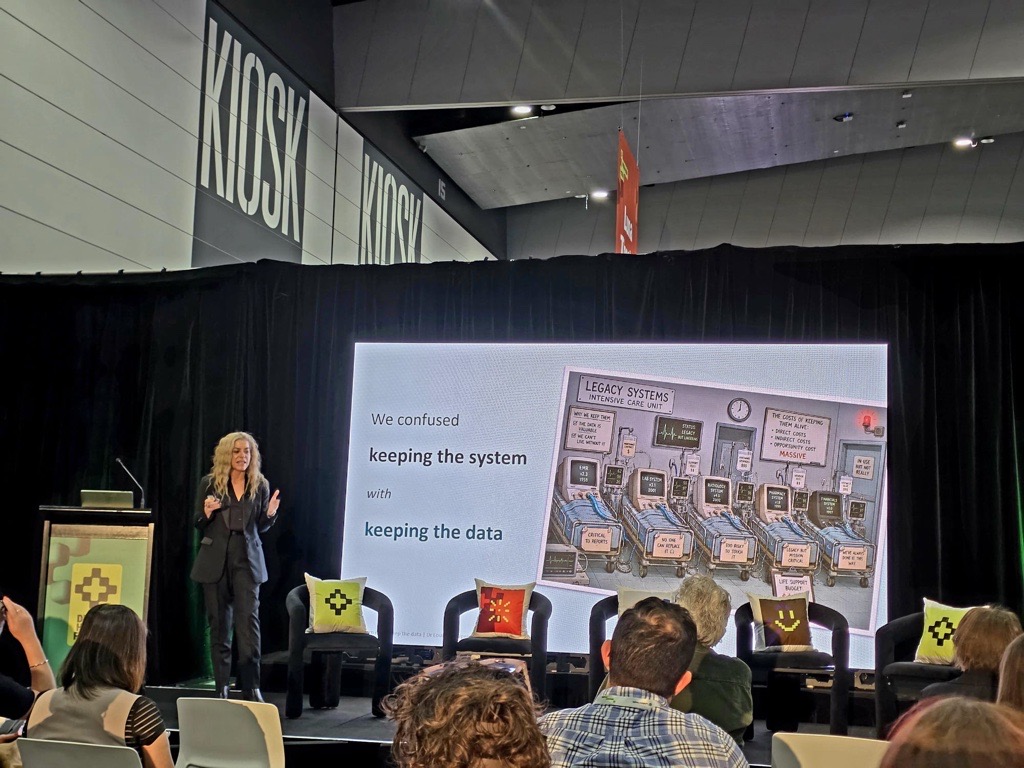
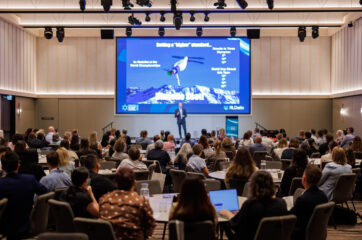
Day 1 opened with a powerful keynote from Dr Louise Schaper titled:
“Turn it Off. Keep the Data – Healthcare’s Next Mindset Shift”
The session challenged healthcare organisations to rethink what digital transformation truly means.
Rather than focusing solely on implementing new technologies, the keynote explored the hidden operational, financial, governance, and patient safety risks associated with ageing healthcare systems that organisations continue to maintain long after their operational value has diminished.
The session sparked strong discussion around a critical industry question: how can healthcare organisations modernise confidently while still preserving secure and meaningful access to vital historical information?
The conversation resonated strongly with attendees navigating large-scale digital transformation projects, EMR transitions, compliance obligations, and increasing pressure to simplify technology environments without compromising safety, governance, or continuity of care.
Fireside Session
Later that afternoon, Richard Hazeltine and Matt Woodside delivered an engaging fireside session:
“When History Disappears: The Hidden Risk of Legacy Systems in Healthcare”
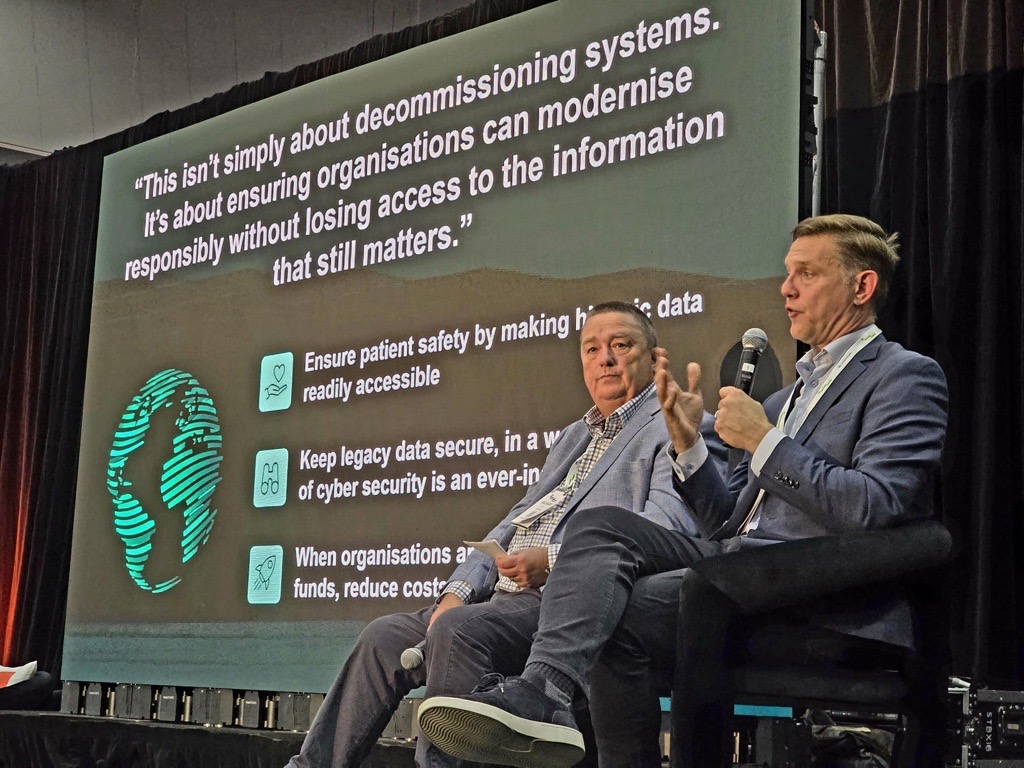
Combining storytelling, practical insights, and real-world transformation experiences, the session explored the risks organisations face when valuable patient and operational history becomes fragmented, inaccessible, or trapped inside outdated legacy systems.
Using a compelling patient-care scenario to set the scene, the discussion highlighted how historical healthcare data is far more than archived information — it remains a critical component of clinical decision-making, governance, legal defensibility, operational continuity, and patient safety.
The session also explored the broader industry shift occurring across healthcare as organisations modernise infrastructure, transition platforms, and look for sustainable ways to manage decades of historical data without carrying the burden of maintaining ageing systems indefinitely.
Attendees engaged strongly with the conversation, particularly around the practical realities of balancing digital transformation, compliance requirements, clinician access, cybersecurity risks, and long-term operational sustainability.
A Strong Industry Conversation Continues
From keynote presentations and fireside discussions to practical booth conversations and live demonstrations, DHF26 reinforced the growing momentum across the healthcare industry to modernise operations while keeping people, safety, and connected care at the centre.
For RLDatix, the event highlighted a growing recognition that workforce operations, governance, safety, AI, and historical healthcare data can no longer be treated as separate conversations. As healthcare systems continue evolving, organisations are increasingly looking for connected approaches that improve visibility, reduce complexity, and support safer care outcomes across the entire healthcare ecosystem.
Most importantly, DHF26 reinforced the value of bringing healthcare leaders together to share ideas, challenge traditional thinking, and explore practical solutions that can help raise the standard of care everywhere.