
Patient safety beyond a single day
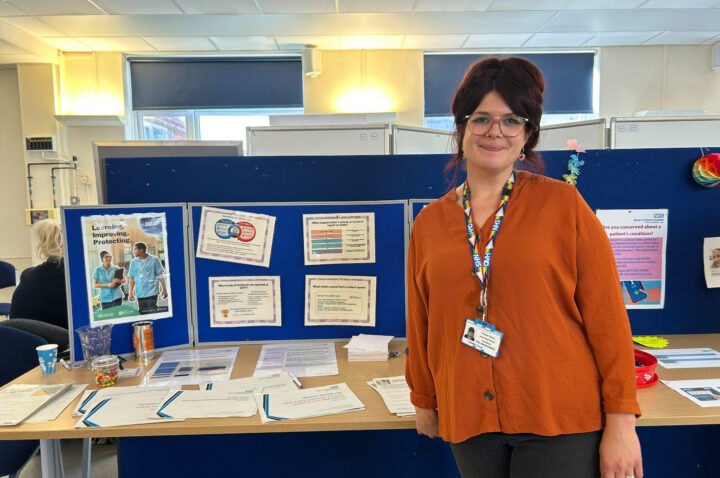
Hannah Dalziel, Customer Success Team Lead at RLDatix reflects on her World Patient Safety Day visit to Queen Victoria Hospital NHS Foundation Trust.
Patient safety is more than processes, systems, and reporting. At Queen Victoria Hospital NHS Foundation Trust (QVH), it is a culture that can be seen, heard, and felt throughout the organisation.
Last month, to mark World Patient Safety Day 2026, I had the privilege of spending time onsite with clinical, operational, patient experience, and research teams to understand what patient safety means to them and how learning is embedded into everyday practice.
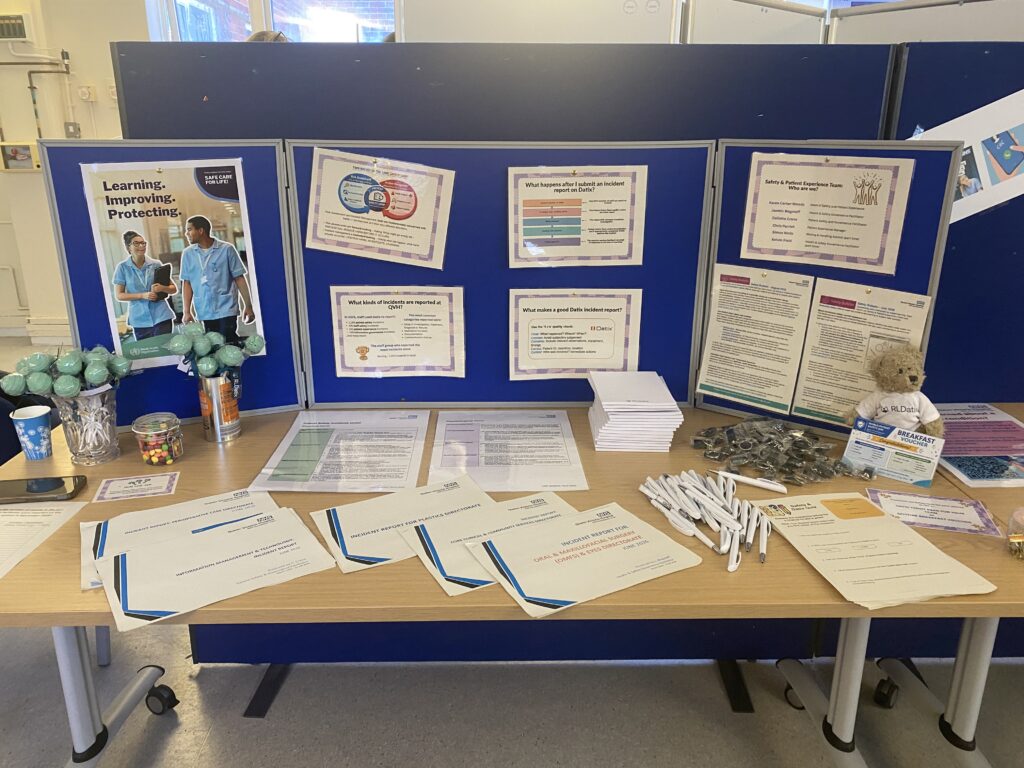
One of the first things that stood out was QVH’s commitment to creating a positive reporting culture. To encourage engagement, staff were invited to participate in a light-hearted “Guess the Number of Datix Reports” challenge, with an RLDatix bear awarded to the winner. While simple in concept, it was a great example of how the Trust is finding different ways to encourage engagement with incident reporting.
This culture is evident in the organisation’s reporting patterns. QVH records a significant number of no-harm incidents, reflecting an environment where staff are encouraged to raise concerns, identify near misses, and share learning before harm occurs.
Speaking with senior nursing leadership provided another perspective on how patient safety is defined across the Trust. For them, patient safety means ensuring that patients are supported safely throughout their entire care journey and ultimately return home in a better condition than when they arrived.
Discussions highlighted the influence of Martha’s Rule and the growing emphasis on psychological safety for patients. Nursing teams described how they actively check in with patients, asking not just about their treatment but how they feel, whether they are improving, and whether they have concerns about their care. Their perspective reinforced that patient safety at QVH extends beyond clinical interventions and encompasses listening, reassurance, and patient empowerment.
DatixWeb plays an important role in supporting this culture. Nursing leaders explained how incident data is used to identify emerging themes, detect trends, and highlight areas that may require additional attention. Rather than using incidents as a mechanism for blame, data is used to identify opportunities for improvement. Teams examine reporting patterns, understand where adverse events occur most frequently, and target training and education programmes where needed most.
This theme of learning was echoed throughout every conversation.
Members of the research team also highlighted the importance of collaboration across specialties, enabling teams to learn from incidents and share knowledge more effectively. Their perspective looked at patient safety not only through the lens of direct patient care but also through research, innovation, and the use of data to improve healthcare outcomes for future generations.
What also stood out was the emphasis placed on sharing that learning.
QVH has taken deliberate steps to ensure feedback reaches those who need it most. Reporter feedback notifications provide direct updates to staff on investigation outcomes and subsequent actions. The Trust also publishes regular safety bulletins, highlighting incidents that have generated important learning opportunities and ensuring those lessons are shared across departments.
During World Patient Safety Day itself, incident data and investigations were readily accessible to staff, encouraging engagement, discussion, and reflection on how improvements could continue to be made.
Practical examples of this learning culture were visible across the organisation. Kim Brinkworth, Ward Manager, described how DatixWeb has helped teams identify concerns relating to stock management and product expiry dates. By surfacing issues early, teams have been able to introduce improvements that reduce risk and help prevent future incidents.
The link between capturing information and delivering meaningful outcomes was also highlighted by Chris Parrish, Head of Patient Experience, who shared:
"Patient safety to me means doing the right thing to make sure everyone leaves safe and happy. Datix helps us achieve this massively. The ease of turning feedback and incidents into actual outcomes means we’re translating data into a language everyone understands.”
Reflecting on the visit, perhaps my strongest takeaway was that patient safety at QVH is everyone’s responsibility. Whether through incident reporting, patient feedback, research, learning initiatives, or care delivery, each of the teams I spoke to had a role to play.
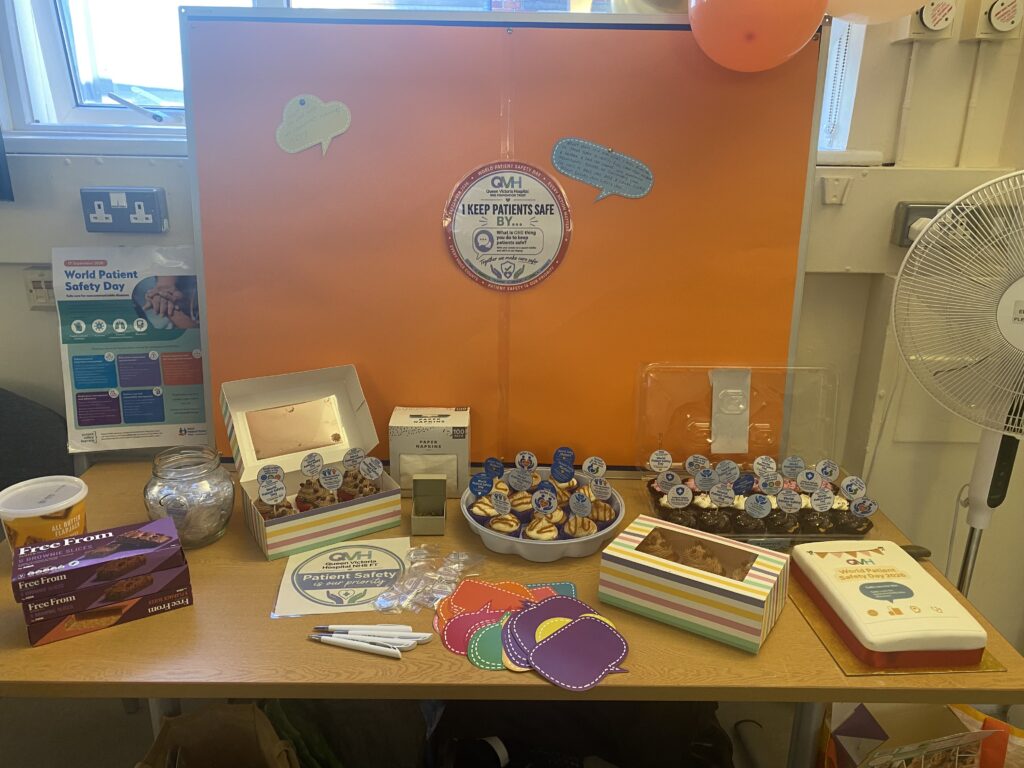
Technology alone does not create safer healthcare. When combined with engaged teams, strong leadership, and a genuine commitment to learning, it can become a powerful enabler. At QVH, DatixWeb supports much more than incident management. It supports a culture where staff are encouraged to speak up, lessons are actively shared, and improvements are continuously made in pursuit of safer care for every patient.
World Patient Safety Day provided an opportunity to shine a light on this work, but the conversations it created extend far beyond a single day. Patient safety at QVH is embedded in everyday practice, reflected in how teams report, listen, learn, share and continually look for opportunities to improve.