

Anaesthetics Workforce Management: Planning, Deployment and Clinical Engagement
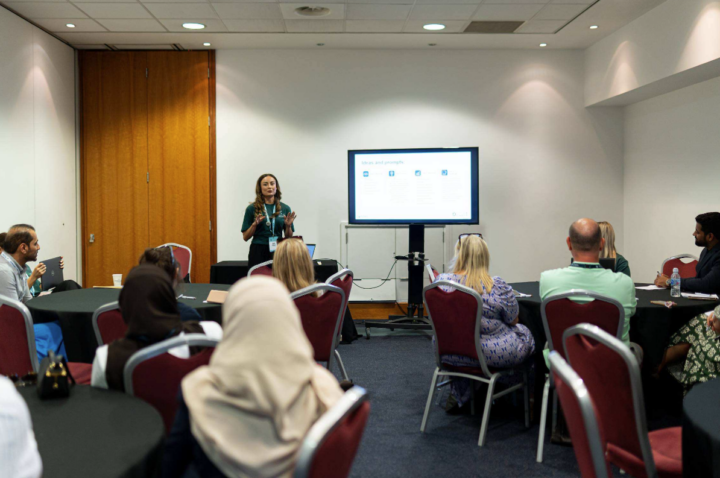
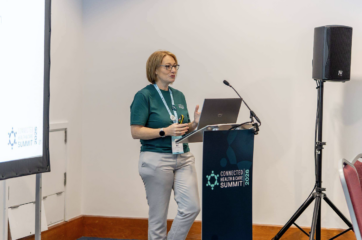
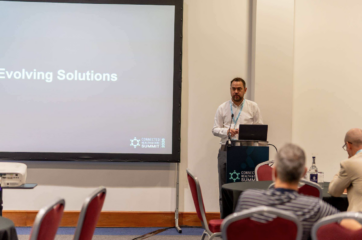
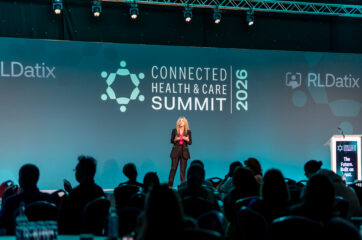
Anaesthetics is unique. It is also unique between organisations. Supervisor workflows, theatre list management and PA tracking all work differently from trust to trust, and the system needs to work for all of them without asking clinicians to become software experts. In this session from the Connected Health & Care Summit 2026, Katie Milligan, Product Manager for Medics Rostering, and Chris Bond, Medics Specialist Team Lead at RLDatix, walk through what has been delivered, what is coming in the roadmap, and share two innovation concepts designed to make Activity Manager easier for anaesthetists to use and engage with.
Watch Katie Milligan and Chris Bond walk through the anaesthetics roadmap, including supervisor safety enhancements, theatre list switcher, flexi-in-year, and two innovation concepts: Activity Analyzer and an accessibility-first clinician view.
What the session covers and what has been delivered
This session covers Activity Manager evolution specifically for anaesthetics, built from customer focus groups and clinician feedback. The key deliverables were:
- Flexi-in-year is now generally available in version 12.0.4, allowing clinicians to track flexible activity counts over a year at category or group level, visible in both Optima and Loop
- Supervisor workflow improvements in version 12.0.5 show supervisor names without additional clicks, add location columns, and display named icons for supervisor and supervisee relationships
- Session balance now shows ideal position, enabling PA tracking against an expected midpoint for anniversary-based job plans, eliminating the Excel spreadsheets previously used at trusts
- Skill has been added to bank request reports after feedback that anaesthetic teams need more than grade to make booking decisions
- The product now matches key competitor functionality for anaesthetics activity management
The roadmap and two innovation concepts
Version 12.6.1, planned for autumn, delivers the second phase of supervisor enhancements include: connected join lines between supervisor and supervisee tiles, colour-coded boxes, a bright red unsupervised flag that clearly highlights when a supervisor link breaks, and a filter for supervised and unsupervised duties. Interactive workflows will allow gap-filling in one click instead of six. Loop will mirror the same information.
The theatre list switcher, also in 12.6.1, allows one-click transfer of an entire theatre team to a different specialty when a surgeon cancels, preserving productivity without manual re-assignment.
Two innovation concepts emerged from a two-week R&D sprint. Activity Analyzer summarises all data on the activity view, prioritises problems and enables quick assign directly from the panel.
What this means for organisations and who it is relevant to
Chris Bond describes three customer partnerships. Bedfordshire Hospitals went live in with anaesthetics in April after careful planning and has not looked back, recently partnering on Loop feedback from clinicians. Swansea NHS Trust drove the flexi-in-year feature through co-design and is dual-running with a competitor product while also developing the Loop Engage reply capability. Manchester University NHS Foundation Trust shaped the supervisor location workflow.
Katie Milligan is candid about the complexity challenge. Activity Manager combined with theatre departments creates a system that today relies on muscle memory and icon interpretation. She describes arriving as product manager and thinking “How do our customers know what all these icons mean?” The roadmap is explicitly designed to reduce cognitive load, clicks and admin.
The session also surfaces the variation across organisations. Supervisor workflows, list advertising, PA tracking periods and how messaging all differ between trusts. The product must be flexible enough to accommodate all of them while keeping the core objectives consistent: reliable data, safety, speed, communication and visibility.
Future roadmap items include push notifications for uncovered lists and staff swap workflows across Activity Manager.
This session is relevant to anaesthetic department leads, rota coordinators, theatre managers, medical workforce teams and anyone responsible for anaesthetics rostering, activity management or theatre productivity.
Frequently asked questions
The session is presented by Katie Milligan, Product Manager for Medics Rostering at RLDatix, and Chris Bond, Medics Specialist Team Lead for RLDatix and who chairs the anaesthetics focus group. Katie Milligan joined medics rostering in November and has spent the time since in customer engagement and dedicated roadmap planning for anaesthetics.
Flexi-in-year allows a target count of flexible activities to be stored against a clinician over a year. Activities are flexible because they can be delivered on any day and fall within a category group such as all DCC or all theatres rather than a specific named activity. The balance is visible in both Optima and Loop. It was co-designed with Swansea NHS Trust and is generally available in version 12.0.4.
Version 12.0.5 shows supervisor names without additional clicks, adds location data to the assignment dropdown and details panel, and uses named icons. Version 12.6.1 adds connected join lines between supervisor and supervisee tiles, colour-coded boxes, a bright red unsupervised flag when a supervisor link breaks, one-click gap-filling instead of six clicks, and a filter for supervised and unsupervised duties. Loop will mirror the same information.
When a surgeon cancels and a fully staffed theatre cannot run, the theatre list switcher allows one-click transfer of the entire team to a different specialty with an available surgeon. Instead of noting down who is assigned, removing them, and recreating the list elsewhere, a panel surfaces all relevant information including skills and grades for instant switching.
Activity Analyzer is an innovation concept from a two-week R&D sprint. It summarises all data on the activity view by location screen, prioritises problems in order, recommends specific actions and enables quick assign directly from the summary panel. It eliminates the need for users to click through individual tiles to find and resolve issues.
The R&D team was briefed: “You have 30 seconds to convince a medic to engage with the software.” The resulting concept is a simplified view within Optima that summarises what a clinician needs to see without the full complexity of Activity Manager. It uses the same login and is designed not to remove any existing functionality for rota coordinators.
For anniversary-based job plans where clinicians have different start dates, the ideal balance calculates what PA count and percentage each clinician should be at based on how far through the year they are. Yellow and red thresholds, configurable by the user, flag when someone is significantly ahead or behind. It was driven by York’s NHS Foundation Trust anaesthetics department.