

RLD Intelligence EAP – Customer Q&A
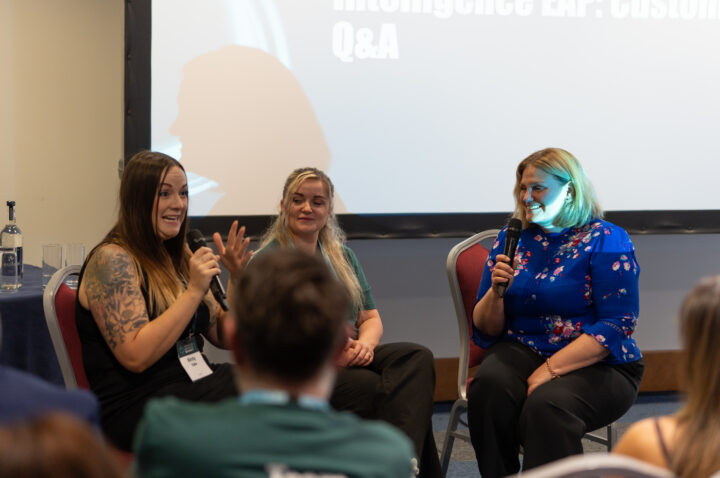
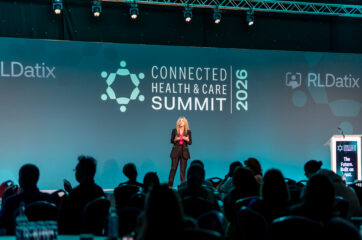
The demos have been done. The features have been explained. This Q&A session from the Connected Health & Care Summit 2026 asks what RLD Intelligence is like in practice for the people actually using it. Kirsty Rake, an eRoster lead with 16 years of experience and an early adopter from Birmingham Women’s and Children’s NHS Foundation Trust, is joined by Chelsea Davies, a customer success manager at RLDatix, and senior Vice President of Strategic Market Development Liz Jones representing RLDatix to answer questions from the room about what the platform revealed, how to roll it out to ward managers, and what makes it unique to other dashboards.
Watch an early adopter answer questions about what RLD Intelligence showed her that she did not already know, how she plans to give ward managers access to their own data, and why converting metrics into pounds and pence is the key to getting finance on board.
What the Q&A covered and the key takeaways
This Q&A session explored how RLD Intelligence performs in a real organisation, with an early adopter who describes herself as difficult to impress and quite critical. The key takeaways were:
- Kirsty’s first reaction to seeing the platform was “Wow, this is really good,” despite having purchased the legacy version previously called Insight with varying results
- The platform revealed things she did not know after 16 years in eRostering, including day-of-week patterns linking temporary staffing usage to unfilled roster hours
- Organisation-wide averages were hiding massive variation: half her divisions performing well and half performing poorly, but the aggregate looked normal
- Her plan is to give ward managers direct access so they can explore and validate their own data rather than simply challenge KPI reports
- She wants every metric converted into pounds and pence to help bring finance colleagues on board
- She described the EAP experience as feeling like a VIP
The questions that were asked and what the answers revealed
The session opened with questions about first impressions and what the platform delivered that was unexpected. Kirsty Rake described three discoveries: temporary staffing correlated with unfilled hours by day of week, sickness data broken into short-term and long-term by grade type and reason, and user permission counts that helped her investigate high volumes of additional duties. Chelsea Davies, who previously spent five years in rostering at Bolton Hospital, confirmed she would welcome the platform if she were back in that role.
An audience member asked the hardest question: how do you embed this into organisational muscle memory so it does not become another forgotten dashboard? Kirsty’s answer was direct. You have to prove it works immediately. Previous dashboards failed because they showed data without actionable suggestions. Another audience member asked about finance engagement, and Kirsty confirmed that expressing metrics in financial terms is the fastest way to get buy-in from stakeholders who do not naturally see rostering as critical.
What this means for other organisations and who it is relevant to
The Q&A surfaced practical steps that organisations considering RLD Intelligence may want to consider. The first is a data hygiene exercise. Kirsty had 85 active rosters but approximately 200 in the background and aligning the organisational structure to match workforce reporting took one to two hours. She described it as long overdue and said the platform gave her the excuse to do data cleanse that should have happened earlier.
The second is access strategy. Kirsty plans to give ward managers direct access and frame the platform as an extension of the roster analyser in Optima. This removes the adversarial dynamic where managers challenge reports they cannot verify and gives them confidence in operational meetings. She wants the data at every committee possible, from ward level to the board.
The third is the vision for what comes next. Kirsty described the potential to link workforce data with patient safety, acuity and staff survey data as a significant opportunity that she does not believe is being done anywhere else. She described it as moving beyond case studies into evidence-informed best practice, backed by anonymised benchmarking that shows what better-performing organisations are doing differently.
This session is relevant to eRoster leads, workforce managers, customer success teams, finance business partners, nursing leaders, ward managers and anyone responsible for rostering efficiency, workforce intelligence or data-driven improvement.
FAQs
The Q&A features Kirsty Rake, an eRoster lead from Birmingham Women’s and Children’s NHS Foundation Trust with 16 years of rostering experience and an RLD Intelligence early adopter. She is joined by Chelsea Davies, a customer success manager at RLDatix who previously worked in rostering at Bolton Hospital for five years, and senior Vice President of Strategic Market Development Liz Jones representing RLDatix as a moderator. The audience includes rostering leads and workforce professionals who ask questions throughout.
Three examples stood out. First, temporary staffing usage by day of week correlated with unfilled roster hours on the same days, surfacing a distribution problem she had sensed but never seen. Second, sickness data broken down by short-term versus long-term, by grade type and by reason, which is hard to produce in Optima. Third, the platform showed which user permissions were enabling high volumes of additional duties, linking permission settings to spending risk.
The first step is a data hygiene exercise. Kirsty Rake had 85 active rosters but approximately 200 in the background. She needed to decide which rosters and departments to include and align the organisational structure to match workforce reporting elsewhere in the trust. This took approximately one to two hours and was described as long overdue data cleanse that the platform gave her a reason to do.
Kirsty’s plan is to give ward managers direct access so they can validate their own data instead of challenging KPI reports sent by the rostering team. She describes the platform as an extension of the roster analyser in Optima. By framing it that way, managers can see the data is theirs, which builds confidence for operational and challenge meetings regardless of whether they have been in post for 20 years or 10 months.
An audience member asked this directly. Kirsty’s answer was to prove it works immediately by showing actionable improvements, not just data. She noted that previous dashboards and solutions had failed because they lacked the connection between insight and action. Giving ward managers and lead nurses access to their own data at a level they can investigate themselves makes the insight part of routine decision-making. Without that, people scan the headlines and move on.
Kirsty values both external and internal benchmarking. External benchmarking against anonymised organisations of similar size and region confirms where her trust stands. But she found that aggregate-level metrics were hiding massive internal variation: half her divisions performing well and half performing poorly.
Kirsty suggested converting more metrics into pounds and pence because that is the language finance colleagues speak. Agency cost is already visible, but bank spend and other metrics could also be expressed financially. An audience member from Priory Group confirmed that their finance business partners had already requested Roster Perform demonstrations. Expressing potential savings or wasted spend is the fastest route to wider buy-in.
Kirsty described feeling like a VIP. She valued the speed at which her suggestions were implemented and the recognition that her opinions, built over 16 years, were taken seriously. She said RLDatix made her feel her views are valuable. She would recommend the EAP process to anyone, would do it again, and has already started telling colleagues she helped shape the product.