
The Future of Intelligent Compliance at QCS
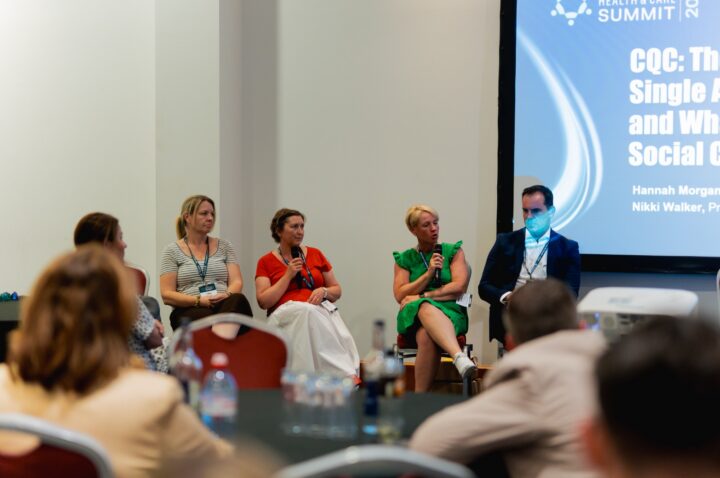
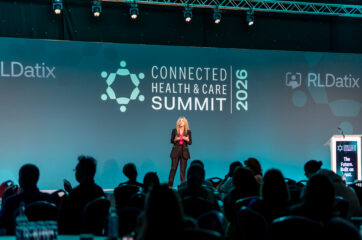
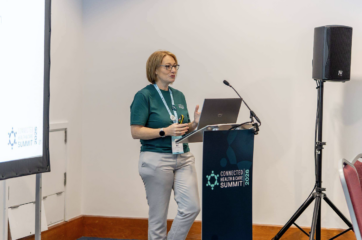
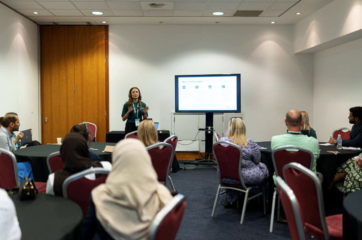
Social care providers are under immense pressure. With nearly 500,000 vacancies forecast over the next 15 years and 1,000 people leaving their employer every single day, the sector cannot afford compliance tools that create more work. In this session, the QCS team reveals how the acquisition of CareBrain and the development of a new AI engine are driving a shift from static, policy-focused compliance to intelligent, proactive, and personalised support that helps care providers deliver better outcomes and prepare for CQC with confidence.
Key themes from the panel
- From static compliance to connected intelligence. QCS is moving beyond policies and procedures to deliver proactive, predictive support that flags risks before incidents happen.
- Lyra now searches all QCS content. The AI assistant draws on policies, resource centre materials, and best practice guidance, all within a trusted, care-centric environment.
- Custom policies that stay up to date. Providers can make policies bespoke to their business while QCS continues to update all the legal and regulatory elements automatically.
- Care plan audits in one second. What currently takes at least two hours to do manually, with inconsistent and subjective results, can now be completed instantly with a consistent, regulation-aligned approach.
- A new QCS AI engine delivering 99.8% accuracy. Built on best practice content and designed for deep personalisation to each provider’s business.
The challenges addressed and how the products respond
Social care leaders are drowning in administration. Staff spend up to 40% of their time on admin rather than delivering care. Technology implementations often generate additional work rather than reducing it. At the same time, providers are turning to tools like ChatGPT for help with care plans, but general AI tools are only about 60% accurate, creating real risk for organisations where the difference between a Requires Improvement and a Good rating can determine commercial viability. An outstanding CQC rating can support up to 20% higher fees and occupancy rates.
QCS is building a dedicated AI engine that absorbs best practice from its expert content, policies, and protocols, then layers in deep personalisation for each provider’s business, including naming conventions, workflows, and care system data. The recent acquisition of CareBrain accelerates this intelligence layer, bringing frontline care experience into the product team. The goal is to make compliance not a task people do, but a status they work towards, with real-time visibility, smart prompts, and connected data flowing seamlessly across the organisation.
What this means in practice and who it is relevant to
The shift from reactive to proactive compliance is illustrated by a real example shared in the session. In a service rated Outstanding across all five CQC domains, a client fell and broke her hip, ending up in hospital. When the serious incident was investigated retrospectively, the team found at least 10 different points where they could have intervened. Daily care notes recorded that the resident was “a bit more wobbly” and “a bit confused.” A UTI had been logged but nobody had connected it to an increased risk of falls. The additional support needed had not been communicated to the staffing team.
This is how it is done in care today: retrospectively. The vision for QCS is to change that entirely. AI agents would flag a change in risk profile in real time, prompt an additional risk assessment, suggest a referral to an occupational therapist, and draft the communication, all without drowning the manager in additional admin.
The same connected approach applies to supervisions, where customised sessions are automatically deployed, learning gaps are highlighted, and agents book the appropriate training and update HR systems in a continuous loop.
Where This Applies
- Care homes and nursing homes managing complex, high-acuity residents
- Domiciliary and home care providers supporting isolated staff and agency workers
- Multi-site care organisations seeking consistent compliance across locations
- Registered managers preparing for CQC inspections
- Any social care provider looking to move from reactive compliance to proactive, intelligent governance
Frequently asked questions
Lyra is QCS’s AI assistant. It searches across all QCS content, including policies, resource centre materials, and best practice guidance, to answer questions in real time. Unlike ChatGPT, Lyra operates within a trusted, care-centric environment, so the answers are grounded in verified, sector-specific content rather than drawing on uncontrolled internet sources.
Custom policies allow providers to make QCS policies bespoke to their business. The key change is that QCS still automatically updates all the legal and regulatory elements, so providers no longer have to maintain customised policies themselves. This is particularly valued by CQC, who want to see policies that are relevant to the specific service being inspected.
ChatGPT is only about 60% accurate and can sound authoritative while providing incorrect information. For care providers, using unreliable AI tools for care plans or compliance could be the difference between a Requires Improvement and a Good rating, with direct implications for fees, occupancy, and the safety of the people being cared for.
The QCS AI engine is the new foundation for all future intelligent features. It is designed to be 99.8% accurate, absorbs best practice from QCS’s expert content, and is being built with deep personalisation so it understands each provider’s business, terminology, workflows, and care system data.
CareBrain was acquired six weeks before this session to accelerate QCS’s intelligence capabilities. The team that came with CareBrain have all been frontline care workers, bringing a deep understanding of operational workflows and the practical realities of delivering care. This strengthens QCS’s ability to build tools that work in practice, not just in theory.
The care plan audit tool can audit a care plan in approximately one second, compared to the at least two hours it takes to do manually. It provides a consistent, regulation-aligned approach, removing the subjectivity and inconsistency that comes with manual audits. It does not require any system integration to work.
Small value-add features are being delivered over the next six months. The full intelligence layer, including the QCS AI engine and connected data capabilities, is expected within six to nine months. QCS is working with customers throughout the design process and will release incremental improvements alongside the larger platform build.
CQC is starting to pilot accessing provider systems directly. Having connected compliance data, up-to-date policies, automated audit trails, and evidence of good governance in one place means providers can demonstrate compliance more easily if CQC moves further down this route. Rather than scrambling to gather evidence at the last minute, the system maintains it continuously.