




RLD Safety | Bringing together incidents, risks, policies and audits.
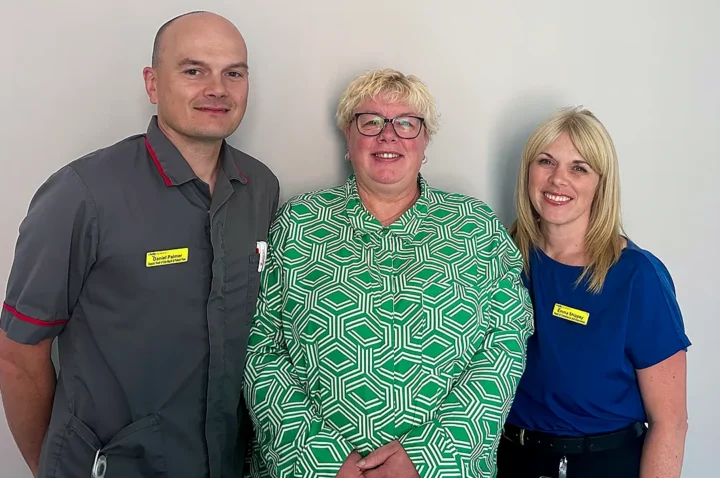
York and Scarborough Teaching Hospitals NHS Foundation Trust implemented a new approach to monitoring patients detained under the Mental Health Act (MHA), following a patient safety incident review in 2024.
Using a bespoke Datix-based process, the Trust introduced real-time tracking, daily review, and clear oversight of all detained patients across acute settings. Developed collaboratively with safeguarding, bed management, patient safety teams, and mental health partners, the solution ensures timely assessments, appropriate observations, and consistent monitoring throughout each patient’s detention.
The programme has strengthened governance, improved visibility of risk, and enhanced assurance for one of the Trust’s most vulnerable patient groups. It demonstrates how existing systems can be adapted to deliver safer, more proactive care.
A patient safety incident review in 2024 identified opportunities to strengthen the Trust’s oversight of patients detained under the Mental Health Act. This included improving the timeliness and consistency of assessments, observation practices, and visibility of patient progress.
Patients detained under the MHA are often cared for in busy acute hospital environments, where competing clinical priorities and operational pressures could make consistent oversight more challenging. Existing processes relied on a combination of local tracking, informal communication and retrospective reporting, which limited real-time visibility.
This made it harder to provide consistent assurance that all required actions and safeguards were being progressed in a timely way. The Trust recognised the need for a more structured and proactive approach that would support daily monitoring, improve coordination between teams, and strengthen overall governance.
The Trust developed a structured oversight process using Datix as a real-time monitoring tool, working in partnership with Bed Managers, Safeguarding and Complex Needs Teams, Patient Safety colleagues, and Tees Esk and Wear Valley NHS Foundation Trust.
A bespoke Datix form was introduced to capture and track all MHA detentions consistently, supported by a dashboard-based monitoring system that provides visibility at each stage of a patient’s journey.
The process includes:
Information entered by Bed Managers feeds directly into an initial dashboard, enabling rapid identification of new detentions. Updates from safeguarding and patient safety teams move cases into active monitoring, ensuring ongoing review and coordinated oversight.
This approach has repositioned Datix as a proactive safety tool, strengthening communication, supporting consistent practice, and embedding robust governance across the Trust.
The programme has delivered measurable improvements in patient safety, governance, and organisational oversight:
Real-time dashboards now provide assurance that each patient’s care is actively monitored, enabling earlier intervention where required and reducing delays.
The data generated has also supported wider service improvement. Analysis has identified patterns in detention activity, enabling more targeted workforce planning, staff training, and escalation responses. Wards supporting higher numbers of patients in crisis can now be more easily identified and supported.
Next steps include:
This work demonstrates how structured oversight, clear accountability, and effective use of existing systems can significantly improve safety and assurance for patients detained under the Mental Health Act.