


Regulating the Future

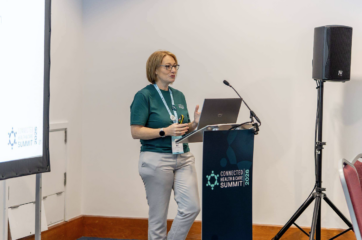
In this session, Chris Day, Senior Leader at the Care Quality Commission (CQC), sets out how regulation is changing, why some recent approaches have not worked as intended, and what the future model is designed to achieve.
At its core, this is a conversation about clarity, trust, and shared understanding, between regulators, providers, and the people who use services.
What’s changing in regulation
1. A move away from one‑size‑fits‑all frameworks
The CQC is stepping back from a single assessment framework that attempted to cover highly complex and diverse services.
In its place:
- Sector‑specific frameworks are being reintroduced
- Expectations are tailored to how care is actually delivered in different settings
- “What good looks like” is made clearer and more meaningful
This reflects an acknowledgement that complexity cannot be regulated effectively through over‑simplification.
2. The return of clear rating characteristics
A central change is the reintroduction of rating characteristics, clear descriptions of what Good, Outstanding, Requires Improvement, and Inadequate look like across the five key questions:
- Safe
- Caring
- Effective
- Responsive
- Well‑led
These characteristics are designed to:
- Remove ambiguity
- Align inspector judgement and provider understanding
- Support internal governance and workforce confidence
Crucially, these characteristics are also how inspectors themselves will be trained, reducing surprises and inconsistency.
3. From process compliance to professional judgement
One of the strongest themes in the discussion is a cultural shift:
- Away from box‑ticking and rigid evidence categories
- Towards outcomes, experience, and informed professional judgement
Evidence still matters, but it is framed through the lens of:
- What good care looks like
- How people experience services
- How risks are understood and managed, not just recorded
This aligns regulation more closely with modern safety science and improvement approaches.
4. Stronger relationships, not episodic inspections
The reintroduction of named relationship leads for providers marks a significant change.
This enables:
- Ongoing dialogue rather than one‑off judgement
- Earlier identification of risk and pressure
- Greater support for innovation and improvement
- Trust built over time, not during inspections
Regulation is positioned as a continuous conversation, not a periodic event.
5. Regulation of systems as well as services
For the first time, regulation is expanding beyond individual providers to include:
- Local authorities
- Integrated Care Systems (ICSs)
- Integrated Care Boards (ICBs)
This recognises that:
- Provider performance is shaped by system behaviour
- Risk often sits between organisations, not within them
- Accountability must reflect how care is actually coordinated
This is a significant shift towards system‑level assurance.
6. Transparency and shared visibility
A future ambition outlined in the session is greater shared visibility of information:
- Providers seeing what regulators see
- Earlier access to feedback from people using services
- Reduced reliance on static, retrospective reporting
The aim is to support continuous learning and improvement, not delayed judgement.
Watch the full discussion to hear directly how the regulator views the future of assessment, risk, and improvement, and how providers can actively shape that future through engagement and collaboration.

Chris Day
Director of Engagement at Care Quality Commission

Liz Jones
Chief Customer Officer at RLDatix