

Job Planning in Practice: How ESR Integration Improved Workforce Planning

When NHS England set the 95% job plan sign-off target, Shrewsbury and Telford Hospital was at 6.55%. Twelve months and two full job planning cycles later, they had reached 97.54% and delivered a £2.4 million cost improvement programme as a direct result. In this session from the Connected Health & Care Summit 2026, Sally Gray, Team Manager, Samantha Hooper, Associate Director for the Medical Directorate and Susanne Crossley, Deputy Chief Operating Officer share how they did it, what went wrong along the way, and why paying doctors for what they are actually doing is the foundation on which everything else depends.
Watch how Shrewsbury and Telford went from 6.55% to 97.54% job plan sign-off in 12 months, delivered a £2.4 million saving, became the most improved trust nationally for RTT and 28-day faster diagnosis, and are now piloting the Job Plan to ESR interface.
What the session covers and the headline results
This session tells the full story of a job planning transformation at a challenged trust. The headline results were:
- Job plan sign-off went from 6.55% on 1 April to 97.54% by 31 August, then a second prospective cycle was completed by April the following year
- Theatre utilisation increased from 68% to 87%
- Insourcing was suspended
- A £2.4 million CIP was delivered through identifying consultant capacity.
- Agency usage reduced, WLI costs fell, and SAS doctor time was released for outpatient capacity
- The trust became the most improved nationally for the 28-day faster diagnosis standard and for RTT performance
- The trust is now piloting the Job Plan to ESR API interface, which flags discrepancies between job planned PAs and paid PAs in real time
How they did it and what made the difference
The programme was led by the medical director and chief operating officer, not by the job planning team alone. Every launch included clinical directors, operational managers, finance business partners and HR business partners. A clinical director who had done job planning well presented her experience at the first training session. Weekly reports by division and department created a competitive league table that divisions waited to receive.
Before launching, the team had already completed pay reconciliation during COVID, addressing approximately £500,000 of variance. Sam describes this as the foundation of the work: if doctors are not paid for what they do, they will not believe in the process. The team manually chased every status change through system notifications and external emails, with one team member working full-time on chasing for weeks. Jobs that sat in “not published” or “in discussion” were escalated to divisional medical directors weekly.
What this means for other organisations and who it is relevant to
The session surfaced practical challenges that will resonate across the sector. People going on leave during the final push created sign-off gaps, leading to a new expectation that designated deputies are nominated. One case went through the full mediation and appeals process under the 2003 consultant contract, producing a standard operating procedure the team offers to share.
On quality, the trust is now running a Medical Job Planning Consistency Committee that reviews every specialty between June and August, producing quality reports with action plans for the next cycle. Training is iterative: the April session addressed SPA allocation, private practice rules, partial retirement, and on-call changes due to ill health.
The Job Plan to ESR interface pilot compares job planned PAs against paid PAs monthly, with red-flagged discrepancies sent to divisional medical directors. Approximately 40 job plans failed to match due to known-by-name mismatches, which is being worked on. The trust has updated its job planning policy to pay to three decimal places.
This session is relevant to medical directors, medical workforce teams, job planning leads, clinical directors, operational managers, finance directors and anyone responsible for job plan sign-off, productivity or pay reconciliation.
Frequently asked questions
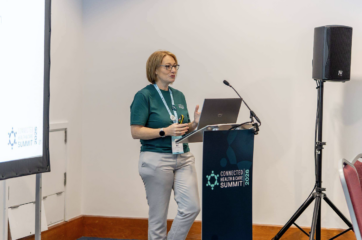
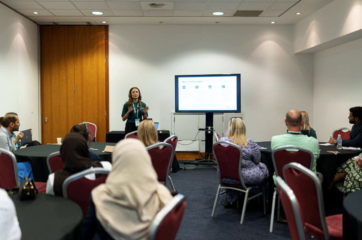
The session is presented by Sam Hooper, Senior Business Manager to the Medical Director, Susanne Crossley, Deputy Chief Operating Officer, and Sally Gray, Head of Medical Director Services Team, all from Shrewsbury and Telford Hospital NHS Trust. The trust recently moved to a group model with Shropshire Community Trust, serving approximately half a million people across two hospital sites.
Executive leadership from the medical director and chief operating officer was the single most important factor. Weekly divisional reporting created competitive accountability. System notifications were supplemented by manual chasing of every status change. Training included clinical directors presenting their own experience. Job plans sitting in discussion or not published were escalated weekly. Pay reconciliation was completed before the programme launched so that doctors trusted they would be paid for what they agreed.
Theatre utilisation rose from 68% to 87%. Weekend insourcing was suspended. Agency usage and WLI costs reduced. SAS doctor time was released for outpatient capacity. The trust became the most improved nationally for both the 28-day faster diagnosis standard and RTT performance. All of this followed directly from knowing what the consultant workforce was doing.
The trust is piloting an API interface that compares signed-off job plan PAs against actual paid PAs in ESR. It flags discrepancies in red, including availability supplement mismatches. Reports are pulled monthly and sent to divisional medical directors. Nothing updates automatically at this stage. Approximately 40 job plans failed to match due to known-by-name discrepancies between the two systems, which is being addressed.
Staff going on leave during the final two-week push created sign-off gaps. One case went through full mediation and appeals, which the team had never done before. NHS England changed the compliance definition partway through, which could have disrupted momentum. Job plans sitting in “not published” or “in discussion” were invisible to the automatic notification system and had to be tracked separately. The team offers to share their mediation SOP.
Training was iterative across three launches: April, September and April again. Each session was led by the medical director and chief operating officer with clinical directors, operational managers, finance and HR present. Common themes from previous rounds informed each session. Topics included SPA allocation, private practice rules, partial retirement, on-call changes and service-level planning with demand and capacity.
Pay reconciliation must come first. If doctors are not paid for what they do, they will not trust the process. Job planning is not a one-off exercise. Once you have done it once, the second cycle is significantly easier. Celebrate the results. Rome was not built in a day, but the team is absolutely thrilled they got there.