

Loop Locate: Why Every Staff Group Needs to Be in the Loop. A case from Ramsay Healthcare and Priory Group implementation process.
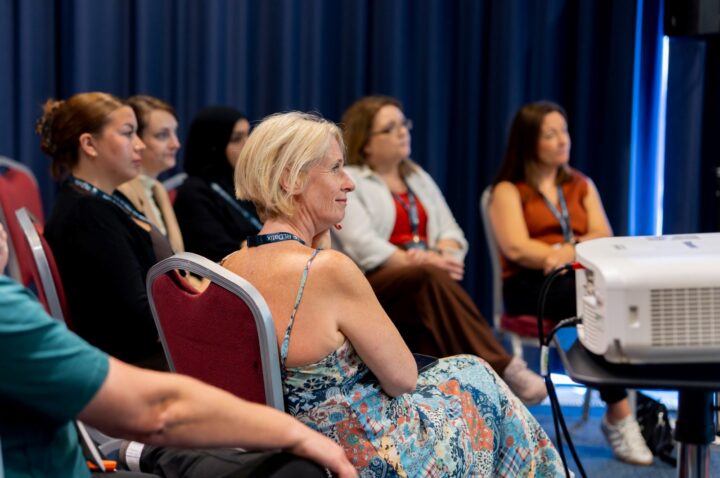
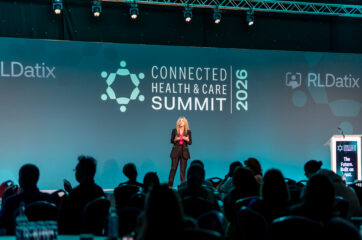
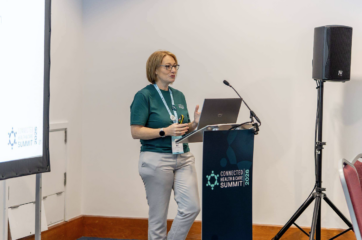
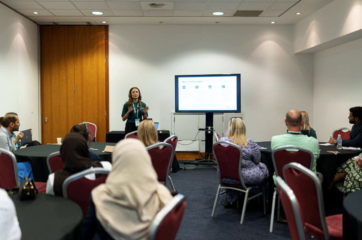
Moving from paper, spreadsheets or physical time clocks to a hardware-free, app-based clocking system is a significant change for any workforce. In this panel from the Connected Health & Care Summit 2026, Jess Beardmore, Head of Product at RLDatix, is joined by Kevin Feely and Bev Browne from Ramsay Healthcare and Daniela Todos and Lucy Dimery from The Priory Group to share how both organisations implemented Loop Locate, what challenges they faced, how they managed the change, and what they would tell others starting the same journey.
Watch Ramsay Healthcare and Priory Group share their Loop Locate implementation journeys, covering pilot approaches, change management, exception handling and what they would do differently.
What both organisations achieved and the key lessons
This panel brings together two independent healthcare organisations at different stages of their Loop Locate journey. The key outcomes and lessons discussed were:
- Ramsay Healthcare rolled out Loop Locate across all 34 hospital sites for approximately 8,000 permanent and bank staff, replacing a paper-based system with no previous clocking infrastructure
- Priory Group, an EAP customer, is in the early stages of rollout across both healthcare and adult care divisions, with different use cases for each
- Both organisations encountered staff who did not want to use personal phones. A desktop clock-in option was developed in partnership with RLDatix and is now a standard feature
- Kevin Feely summarised the single most important factor: “Change management, change management, change management”
- Auto-finalization of rosters removes the end-of-month payroll chase and enables Stream flexible pay for staff who have earned wages they want to access sooner
How each organisation approached the rollout
Ramsay piloted at two sites, one expected to be straightforward and one expected to be difficult, to test how Loop Locate performed in different conditions. They then rolled out in two stages, North then South, as part of a wider 18-month Workforce Evolution Project. They introduced single sign-on alongside Loop to address security requirements. The session describes tolerances were set at 25 minutes before clock-in and five minutes after, dropping to planned time.
Priory took a different path as an EAP customer, working closely with RLDatix over a longer period to shape the product for their needs. Their Adult Care division uses Loop Locate primarily for support time and attendance processes, while Healthcare uses it for SafeCare visibility, knowing who is on site so that managers can make informed redeployment decisions during flash meetings. Daniela Todos highlighted the benefits of Loop Locate in giving staff greater visibility of their shifts, helping them plan their personal lives around work and reducing the time spent waiting for ward managers to finalise their shifts. Both organisations stress that senior buy-in at hospital director and board level was essential.
What this means in practice and who it is relevant to
The panel is honest about the challenges. Both organisations are still chasing finalizations at month end, and Bev Browne from Ramsay describes the current period as hypercare. Demand templates need to be aligned for exceptions to work properly, and that work is ongoing. Kevin Feely notes that the concept was to get the product in first and then drive the behavioural change with managers, rather than trying to solve everything before go-live.
On exception management, Ramsay shared a best practice that Jess Beardmore highlighted to the room: do not manage exceptions until the following day. If a manager intervenes mid-shift, they risk creating double the work because the rules engine has not finished processing. Waiting until the full working day is complete significantly reduces unnecessary exceptions.
The audience raised several feature requests, including on-call shift clock-in, meal break management, working from home identification, redeployed staff handling and the ability to undo a bulk-ignored exception. Jess Beardmore confirmed several of these are already in development, with Loop operating on a four-weekly release cycle.
This session is relevant to rostering teams, workforce leads, payroll managers, HR directors, IT teams and anyone responsible for time and attendance, Loop implementation or change management across Healthcare organisations.
Frequently asked questions
The panel features Kevin Feely, Head of Talent and People Digital Experience, and Bev Browne, Rostering Specialist, from Ramsay Healthcare, alongside Daniela Todos, IT System Specialist, and Lucy Dimery, IT Implementation and Training Specialist, from Priory Group. It is hosted by Jess Beardmore, Head of Product at RLDatix. The session also includes audience contributions from representatives of North Bristol Trust, United Lincolnshire, Nuffield and other organisations in the room.
Ramsay piloted at two sites, chose deliberately to test one straightforward and one challenging environment, then rolled out in two stages across North and South. They had no previous clocking system, so it was a move from paper to digital. All 34 sites are now live for both permanent and bank staff. The rollout was part of an 18-month Workforce Evolution Project that also included Loop and single sign-on.
Priory was an EAP customer, working with RLDatix over a longer period to shape the product. Their Adult Care division uses Loop Locate primarily for payroll accuracy and time management while Healthcare uses it for SafeCare visibility during operational decisions. They are progressing through a phased rollout and are evaluating both desktop and tablet options for sites where staff do not want to use personal phones.
Both encountered staff who did not want to use personal phones for a workforce tool. Some raised concerns about tracking, others had phones that were not compatible. Ramsay worked with RLDatix to develop a desktop clock-in option, which is described in the session as having become a standard feature available to all Loop Locate customers. Both organisations stress that providing alternatives was essential to maintaining adoption.
Ramsay shared a best practice: do not manage exceptions until the following day. If a manager intervenes mid-shift, they risk creating double the work because the rules engine has not finished processing. Waiting until the full working day is complete reduces unnecessary exceptions significantly. Both organisations noted that high exception volumes are partly caused by demand templates not yet being aligned, and that this is being addressed through targeted data analysis.
Ramsay initially set tolerances at 15 minutes before clock-in and five minutes after. During the pilot, feedback from hospital directors led them to extend the pre-shift tolerance to 25 minutes. Clock-out tolerances remain at 15 minutes before and five minutes after. All clocks drop to planned time within the tolerance window.
Kevin Feely requested manager flows in Loop, allowing managers to approve annual leave from the app without logging into Optima. Priory requested agency staff clock-in capability. Audience members raised on-call shift clock-in, meal break management, working from home identification, redeployed staff handling and the ability to undo a bulk-ignored exception. Jess Beardmore confirmed several of these are in development and noted that Loop operates on a four-weekly release cycle.
Kevin Feely was direct: change management is everything. Be clear on the why for each user group. Pilot before going big bang. Have senior buy-in at hospital director and board level. Dan from Ramsay added that training materials should be targeted and simple, not over-engineered, and that the key question for every user group is “what’s in it for me?”