

People, Plans and Practical Implications for Leaders at Every Level: Insights from Two NHS Leaders
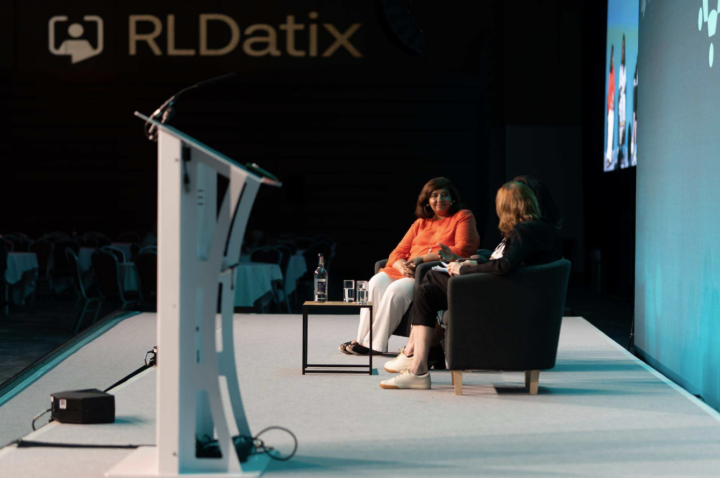
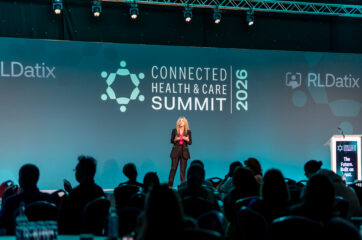
Productivity in the NHS is not simply a numbers problem. It is a people problem too, shaped by rules that can teach clinicians to say no. In this panel from the Connected Health & Care Summit 2026, Stella Vig, National Clinical Director for Elective Care, Consultant Vascular and General Surgeon and Foluke Ajayi, Chief Executive of Airedale NHS Foundation Trust, share career stories, views on sponsorship and imposter syndrome, what surprised them about productivity data, why staff should see their own data first, and the one thing each of them would change if they could.
Watch Stella Vig and Foluke Ajayi discuss sponsorship, imposter syndrome, productivity, the golden thread of data, and why one would get rid of RAG ratings and the other wants the NHS to try fast, fail fast and move fast.
What the panel covers and the key messages
This panel explores leadership, productivity and data through two careers shaped by sponsorship, risk-taking and curiosity. The key messages and perspectives shared were:
- Sponsorship matters more than mentoring. Imposter syndrome never goes away, and the panellists discuss the need for deliberate support, particularly for women.
- Productivity is being hindered by rules and clinical risk appetite that Stella Vig argues can teach people to say no. Stella Vig wants the NHS to adopt a “try fast, fail fast, move fast” culture
- Foluke Ajayi tells colleagues to seek forgiveness, not permission, and means it.
- Staff should see their own data first. Foluke Ajayi argues that “There’s no conversation about me without me” applies to staff as much as patients
- Foluke Ajayi would abolish RAG ratings because they stop curiosity. You either over-focus on the red or ignore the green until it becomes a red
- The data exists across finance, ESR, job planning and registries but the golden thread pulling it together is not yet fully joined up.
Career stories, sponsorship and what both leaders would change
Stella Vig describes qualifying in 1991 when there were very few female surgeons. She could not see the role modelled, and it was a male registrar, Ciaran Horgan, who told her she needed to have a go because otherwise she would never know. She credits every success to the teams around her and says mentorship should come with no expectation of return, only a commitment to pay forward.
Foluke Ajayi describes a foundational moment early in her career when a supervisor said, “If I don’t see you, I’ll assume you’re doing something useful somewhere else.” That trust gave her agency. She later resigned a permanent position to take an 18-month contract at the Department of Health, a risk she felt exposed her family to but one that changed her trajectory.
Foluke Ajayi also shares that she was treated for cancer two years ago while continuing to work two days a week, describing this as a personal choice rather than an expectation for others to follow.
What this means for organisations and who it is relevant to
On productivity, Stella Vig describes visiting Apollo Hospital in India, where October-to-March job plans are set and co-produced, with locked-down service plans that deliver from April. She contrasts this with NHS job planning and argues that service-level activity planning, backed by backward-looking demand and capacity data from Allocate products, is the next phase now that the baseline reset for job plan sign-off has been achieved.
On data, Foluke Ajayi insists on a golden thread where the board, the nurse on the ward and the clinician all see the same information. She draws attention to data that is conveniently ignored and challenges colleagues to do better. Stella Vig agrees the data exists but is not joined up, citing model hospital, improvement programmes, audits and registries as fragmented sources.
On absence, Foluke Ajayi argues organisations should help people return earlier through keeping-in-touch mechanisms and also consider the impact of discretionary absense on teams and the local economy. Stella Vig adds that prevention, support and compassionate return-to-work conversations should run through every stage.
Both agree that flexible retirement has improved retention significantly, with examples discussed of clinicians working productively at 70 in training and mentoring roles.
This session is relevant to chief executives, medical directors, chief people officers, clinical directors, workforce leads and anyone responsible for productivity, leadership development or data-driven decision-making.
Frequently asked questions
The panel features Stella Vig, National Clinical Director for Elective Care, Consultant Vascular and General Surgeon and Foluke Ajayi, Chief Executive of Airedale NHS Foundation Trust and a former clinical scientist. The panel is moderated by Pam Garside, Co Chair Cambridge Health Network. Both panellists share personal career stories and views on what the NHS needs to change.
Both describe sponsorship as more important than formal mentoring. Stella Vig says imposter syndrome never goes away and is worse in women. She credits a male registrar who told her to “have a go” at surgery as the catalyst for her career. Foluke Ajayi credits early trust from a supervisor, her father’s belief that she could do anything, and supporters who reflected back her potential when she had doubts.
Two things. First, the behavioural change since COVID. Discretionary effort remains high, but staff are now conscious that life exists outside work, and employers must respect that. Second, she argues that rules, guidelines and clinical risk appetite are hindering modern ways of working. She wants the NHS to adopt a startup culture of trying fast, failing fast and moving fast, and argues that we teach clinicians to say no when we should be encouraging them to say yes.
Foluke Ajayi would abolish RAG ratings because she believes they can stop curiosity. People either over-focus on the red and lose sight of the green, or ignore the green until it becomes a red. She insists on a golden thread where the same data goes from board to ward, and says there is no point in senior leaders seeing data that the clinicians and nurses involved have never seen.
Foluke Ajayi shares that she worked two days a week through cancer treatment as a personal decision. She does not present this as an expectation for other employees. She argues organisations should help people return earlier through keeping-in-touch mechanisms and consider the absense on teams and wider organisations. Stella Vig adds three stages: prevention before absence, compassion by keeping in touch during absence, and clear expectations on return. She notes that people are being incorrectly told they cannot attend conferences during sickness absence.
Stella Vig visited Apollo Hospital in India and was struck by their planning cycle. In October they define what they will deliver the following year. By January, plans are nailed down with clinicians and multidisciplinary teams. By March, plans are co-produced and locked. They then deliver from April. Stella Vig contrasts this with NHS job planning and argues service-level activity planning is the next critical step.
Stella Vig: Mentorship should expect nothing back except that the person pays it forward. Take risks, because every move is a move further from where you started. Foluke Ajayi: Follow your interest, not just the career ladder. Seek forgiveness, not permission. If you meet 100% of a job specification, the role may not challenge you enough.