


AI and the Future of Quality in Social Care

AI is no longer a future consideration for social care providers, it is already being used, formally and informally, across services. The challenge for care organisations is not whether AI exists, but how it is introduced, governed, and trusted in environments where quality, safety, and accountability matter deeply.
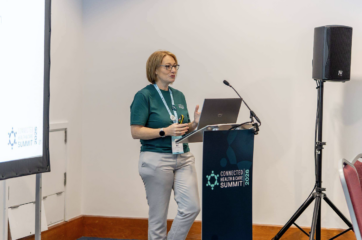
In this recorded session, Nikki and Chris from QCS explore what responsible AI adoption looks like in practice for social care providers. Drawing on real‑world examples, regulatory insight, and frontline scenarios, the conversation focuses on how AI can support consistency, workforce resilience, and quality of care — without undermining governance or professional judgement.
Rather than positioning AI as a replacement for carers, the discussion centres on augmentation: using technology to reduce administrative burden, surface insight earlier, and help staff make better decisions in the moment care is delivered.
In this video, you’ll hear practical insight on:
- Why AI matters now in social care: Rising demand, workforce pressure, and increasing regulatory scrutiny are creating an environment where consistency and assurance are harder to maintain, and where better use of data is essential.
- How AI can enhance care delivery without replacing human care: From predictive indicators and early intervention to improved consistency across services, AI is explored as a tool that supports carers rather than displaces them.
- Workforce productivity and resilience: Including dynamic rostering, reduced administrative burden, and better alignment between staff capability and service user needs, all aimed at reducing stress and improving retention.
- The real risks of AI and why governance matters: The session addresses common pitfalls, including uncontrolled use of public AI tools, data privacy risks, and the regulatory consequences of poor oversight.
- What CQC expects to see: Innovation is welcomed, but only when paired with strong governance, risk assessment, and evidence that AI is being used safely and appropriately.
- How AI can support frontline decision‑making: Real examples show how carers and volunteers can receive timely, relevant guidance in the moment, improving confidence, care quality, and outcomes for residents.
- Moving from reactive to preventative care: Using pattern recognition, audit trends, and care note insights to spot emerging risks earlier and support continuous improvement.
Watch the full recording to hear firsthand perspectives, practical examples, and audience questions exploring what responsible, governed AI adoption looks like in social care.

Chris Cox
CTO and ISO at QCS

Nikki Walker
President – Social Care Solutions at RLDatix