



RLD Safety | Bringing together incidents, risks, policies and audits.
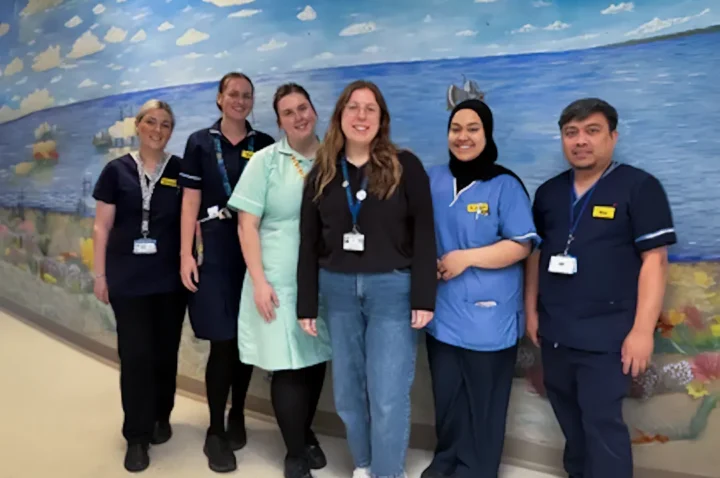
Gloucestershire Hospitals NHS Foundation Trust, in partnership with Young Gloucestershire, has introduced an embedded youth work model to improve the safety, experience, and outcomes of young people admitted in mental health crisis. By integrating trauma-informed, relational support alongside clinical care, the programme enhances therapeutic engagement and reduces reliance on restrictive practices. Youth workers provide advocacy, de-escalation, and continuity from admission through to community support.
This collaborative, patient-centred approach has significantly improved care quality, reduced incidents and interventions, and strengthened staff confidence. The model demonstrates how NHS and voluntary sector partnerships can deliver safer, more compassionate care while supporting workforce sustainability and improving transitions for young people.
Young people admitted in mental health crisis often experienced hospital care as distressing, isolating, and disempowering. Despite clinical necessity, admissions were associated with high levels of anxiety, behavioural escalation, and reliance on restrictive interventions such as restraint and sedation.
Wards faced increasing operational pressure, managing complex presentations in environments not designed to meet young people’s emotional and developmental needs. Clinical teams were required to balance risk management with high workloads, contributing to staff stress, burnout, and inconsistent patient experience.
A key gap existed in providing trauma-informed, relational support to complement traditional medical models. Without this, there was an increased risk of avoidable harm, prolonged distress, and poor engagement for young people, alongside reduced staff confidence and morale.
The challenge was to improve safety, experience, and quality of care in a way that reduced pressure on clinical teams while delivering more compassionate, person-centred inpatient care.
A collaborative partnership between Gloucestershire Hospitals NHS Foundation Trust and Young Gloucestershire co-designed and implemented an embedded youth work model within paediatric inpatient wards.
Senior NHS leaders, ward teams, and youth work specialists worked together to develop a model that complemented clinical care with trauma-informed, non-clinical support. Youth workers were fully integrated into multidisciplinary teams, enabling real-time collaboration, shared risk management, and clear escalation pathways.
Key elements of the approach included:
The model values voluntary sector expertise alongside clinical leadership, creating a joined-up, holistic approach to care. It was designed to enhance, rather than burden, ward teams by improving flow, reducing escalation, and strengthening therapeutic engagement.
The programme has delivered significant improvements in safety, care quality, and patient experience:
Young people and families report feeling safer, more listened to, and better supported, with improved coping and engagement following discharge. Staff benefit from reduced pressure, improved ward culture, and enhanced confidence in managing complex situations.
The model has strengthened governance, improved day-to-day flow, and created a calmer, more therapeutic ward environment. Learning has been shared with NHS England and regional networks, contributing to wider improvements in reducing restrictive practice.
Next steps focus on scaling the model to:
This work provides a sustainable, transferable framework for integrating holistic, trauma-informed care into inpatient settings through strong NHS–voluntary sector collaboration.