




RLD Safety | Bringing together incidents, risks, policies and audits.
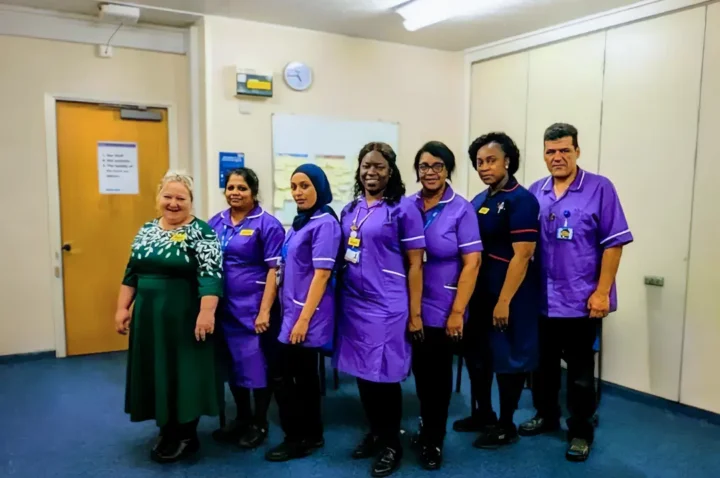
The Division of Medicine at Whipps Cross Hospital began strengthening learning from incidents before COVID, relaunching the work in 2025 alongside PSIRF. A structured pathway was developed to turn PSIRF learning, cardiac arrest reviews and patient feedback into practical quality improvement. Each month, closed investigations and near misses were triaged against PSIRF priorities to ensure equitable learning across wards. Ward leaders shared learning through a dedicated forum, with recurring themes translated into teaching and improvement projects, creating a clear link between patient safety incidents, organisational learning and action.
Learning from incidents in the Division of Medicine was fragmented and not consistently translated into frontline improvement. PSIRF learning responses, cardiac arrest reviews, complaints and near misses were often managed separately, limiting opportunities to identify shared themes and act on them. At the same time, wards were under significant pressure from patient flow, workforce shortages, deteriorating patients and complex decisions around escalation and DNACPR. Recurring issues, including delayed recognition of deterioration, inconsistent SBAR escalation, poor transfer communication and gaps in documentation, risked contributing to avoidable harm. Staff also reported fatigue with investigation processes that rarely led to visible change, affecting engagement and safety culture. The challenge was to create a sustainable, psychologically supportive approach that aligned PSIRF priorities with divisional risks, built staff confidence in quality improvement, and enabled learning to be turned into practical, achievable changes to care, training and systems.
A structured divisional process was introduced to connect PSIRF learning directly to quality improvement. Closed investigations, cardiac arrest reviews, complaints and near misses were filtered, themed and aligned to PSIRF and divisional priorities. Ward managers were supported with a standardised template and shared learning through a monthly Divisional Learning from Incidents forum, creating greater consistency, equity and shared ownership across wards. Findings were triangulated across sources and translated into improvement plans, teaching programmes and emerging QI projects. System tools, including SIEPS fishbone analysis, helped teams explore contributory factors such as human factors, organisational pressures and technology gaps. Learning was also linked directly to education through simulation, SBAR focus groups and deterioration study days, while PSIRF outputs were used to inform local improvement work. This shifted the focus from investigation alone to practical, team-led change in everyday clinical practice.
This work has created a visible and sustainable link between learning and improvement across the Division of Medicine. In 2025, the team reviewed and shared learning from 18 cardiac arrest cases, 13 complaints, multiple PSIRF learning responses and a range of near misses, helping to embed a more open and consistent approach to improvement. The work has strengthened staff capability in quality improvement, supported local and divisional QI projects, and led to practical changes in education, documentation and clinical processes. These include a structured deterioration study day, a sustained 10% improvement in DNACPR consultant validation compliance, better next-of-kin and emergency contact processes, and testing of tools to improve timely risk assessment documentation. It has also increased psychological safety, multidisciplinary learning and confidence that incident reporting leads to action. Interest from across the hospital is now supporting the development of a wider learning forum and shared resources to sustain and spread this approach.