




RLD Safety | Bringing together incidents, risks, policies and audits.
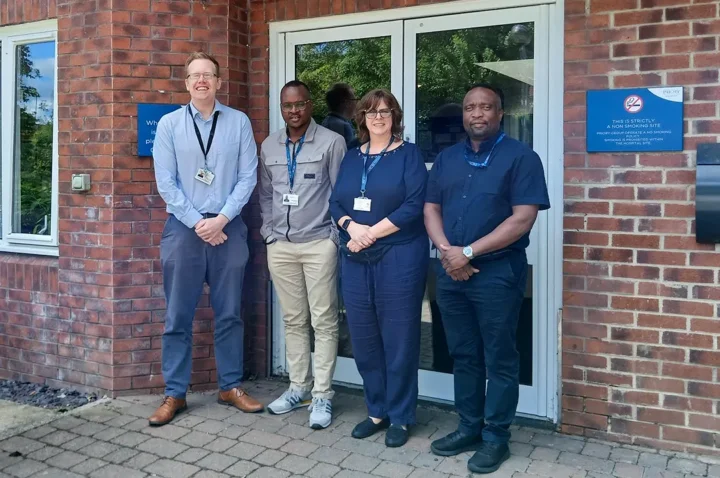
Mill Garth Hospital, part of Priory Group, has worked closely with Suffolk and Norfolk NHS Trusts to improve the management of out-of-area inpatient placements through a more coordinated, patient-centred multidisciplinary approach. The Mill Garth Hospital MDT delivered timely assessments, clear risk management, and structured discharge planning for patients admitted under complex and often time-critical circumstances.
Recognising the additional vulnerability of patients placed far from home, the team prioritised dignity, reassurance, and clear communication, ensuring patients and their families felt informed and supported throughout their stay while enabling earlier, safer transitions back to local services wherever appropriate.
The key challenge was improving the coordination and continuity of care for patients placed in out-of-area inpatient settings, where delays in transfer and fragmented communication often impacted patient experience, flow, and recovery. Patients who were clinically ready to return closer to home frequently remained in out-of-area beds longer than necessary due to limited coordination between organisations, inconsistent review processes, and delays in identifying appropriate local pathways.
The Mill Garth Hospital MDT recognised the need for a more proactive, system-wide approach to patient flow and discharge planning. Through regular multidisciplinary reviews and close collaboration with Suffolk and Norfolk partners, the team worked to identify patients suitable for repatriation at the earliest opportunity and coordinate timely, safe transfers back into local services.
The challenge required strong partnership working across Trust boundaries, alongside clear communication, rapid decision-making, and patient-centred coordination to minimise delays, reduce unnecessary length of stay, and improve continuity of care. The MDT’s approach focused on ensuring safer, more efficient patient journeys while maintaining compassionate, high-quality care throughout the transition process.
A key role was played in strengthening the model of care for patients admitted to Mill Garth Hospital on out-of-area beds from Suffolk and Norfolk NHS Trusts by introducing greater structure, clarity, and pace to clinical decision-making. Improvements included establishing clear triage expectations at admission to support early identification of clinical need, risk, and anticipated length of stay.
Early multidisciplinary team (MDT) reviews were implemented to assess whether patients required ongoing out-of-area care or could be safely repatriated closer to home sooner. The team also embedded a strong “local-first” approach, ensuring care planning considered from the outset how patients could be supported within local services at the earliest appropriate opportunity.
Oversight of patient pathways was strengthened to reduce delays, minimise duplication, and avoid unnecessarily prolonged admissions. Collectively, these changes improved patient flow, reduced risks associated with extended out-of-area placements, and enabled safer, more timely, and better coordinated decision-making across organisational boundaries.
The work delivered significant improvements in the management of out-of-area admissions through stronger collaboration, clearer processes, and more coordinated decision-making across organisational boundaries. Close partnership working between the Mill Garth Hospital MDT, Suffolk and Norfolk NHS Trusts, community teams, care coordinators, and discharge planners improved continuity throughout the patient journey and supported safer, more timely transfers back to local services.
Structured MDT discussions focused on clinical risk, readiness for transfer, and agreed next steps, while improved documentation standards strengthened the quality and consistency of triage decisions, risk management, and handover information shared with local teams. Greater use of proactive signposting also enabled patients to access appropriate local services earlier, helping reduce delays and unnecessary length of stay.
The approach embedded a stronger culture of shared accountability and patient-centred decision-making across teams, improving patient flow while maintaining compassionate, high-quality care. Overall, the initiative delivered safer management of out-of-area placements, reduced avoidable delays, strengthened cross-Trust collaboration, and improved the experience of patients and families during vulnerable and often complex transitions of care.