




Is the NHS workforce Fit for the Future?
As we celebrate elite sport this summer, it’s the perfect time to ask:
How can we use workforce intelligence to keep our NHS clinical workforce at their own optimum level of performance?
Sustainable performance
Act early. Not just react
Use data to drive better decisions
Support, resilience and connections
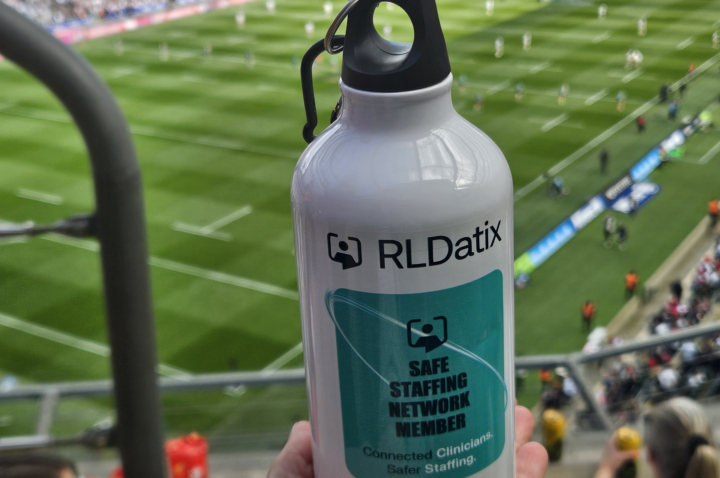
This summer, millions of people will watch elite athletes compete at the highest level. The World Cup, Wimbledon, T20 Cricket, Commonwealth Games, will all celebrate extraordinary performances built on years of preparation, discipline and support. Recently I was at Twickenham to watch England v Ireland in the Women’s Six Nations. The quality of the rugby was exceptional, but what struck me most was something else entirely. Even at international level, many athletes continue to balance elite sport with careers outside the game, including NHS and healthcare roles. While professionalisation in women’s rugby has accelerated, this is the reality for most athletes across many sports. Long before they reach the highest levels of competition, the journey is often managed alongside work, study and family commitments.
Over the past decade, the NHS has made significant progress in workforce management. Digital rostering has transformed visibility, improved staffing oversight and created greater flexibility for employees.
This progress matters. However, to date the focus of workforce management has been straightforward, can we fill the rota with the right people and afford our workforce a good work life balance? Both remain important. But the next decade demands a broader question, how can we use workforce intelligence to keep our workforce at their own optimum level of performance to then deliver the best care?
The distinction is important. One focuses on staffing coverage. The other focuses on workforce sustainability.
What we often overlook in sport is that performance is never achieved through effort alone. Behind every athlete is a system designed to help them succeed. Training is carefully planned, recovery is prioritised, risks are monitored and data informs decisions. Performance is measured continuously. No elite sporting organisation would expect athletes to perform at their best without investing in their wellbeing.
As the Government develops its vision for a health service and a nation fit for the future, we await the associated workforce plan publication, also anticipated this summer. There is an additional question we must ask ourselves when it lands, are we really doing enough to ensure the NHS workforce is fit for the future too?
Because no matter how ambitious plans for healthcare reform, digital transformation or productivity improvement may be, they will ultimately succeed or fail based on the health, resilience and availability of the people delivering care.
Healthcare has traditionally excelled at prevention when caring for patients. We identify risk factors, intervene early and encourage healthy behaviours. Yet we have been less successful at applying the same preventative principles to our own workforce.
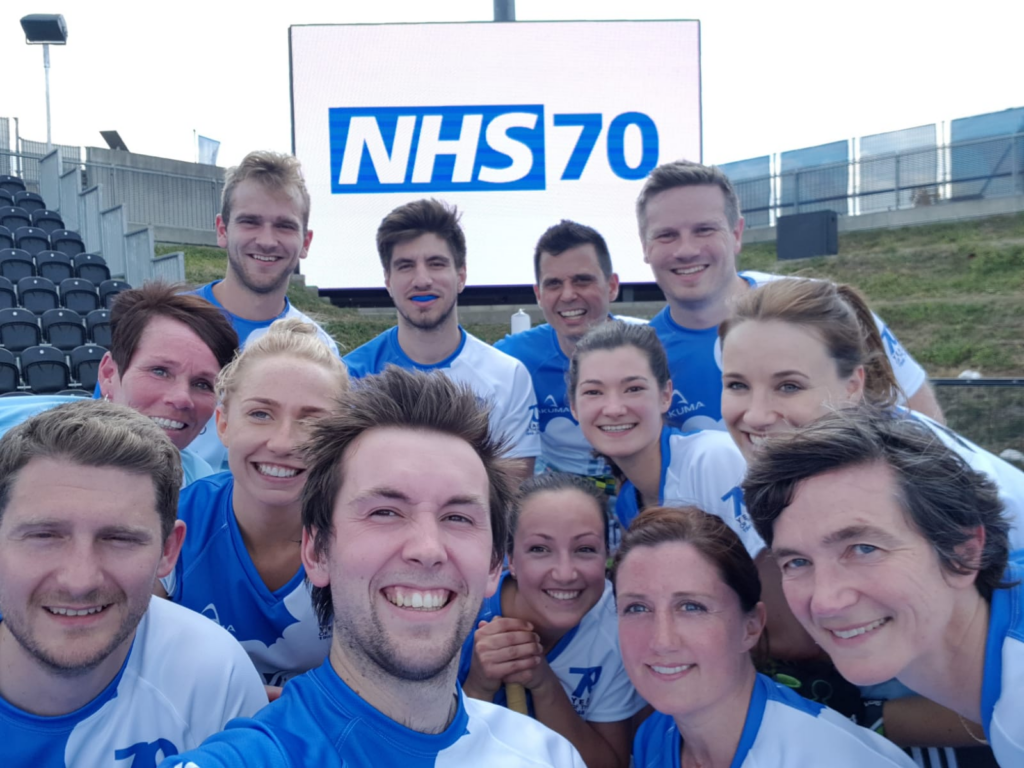
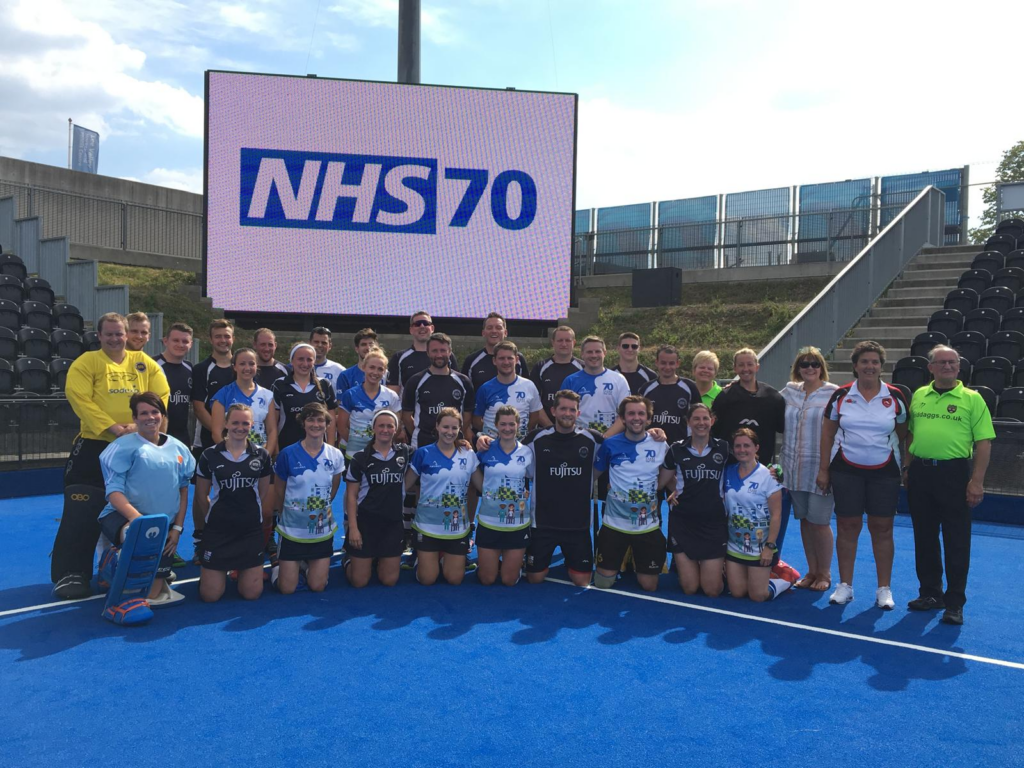
Back in 2018, as the NHS prepared to celebrate its 70th birthday, one of the ambitions was to encourage staff to think about their own health and wellbeing. At the time, I had an idea. What if we organised a hockey match between the NHS and the Royal Navy at the Lee Valley Hockey and Tennis Centre, the venue that would shortly host the Hockey World Cup?
The Royal Navy, like the Army, RAF, Fire Service and Police Forces, has a long tradition of organised sport across the public sector. Across those services there are established teams, competitions and pathways that encourage physical activity, camaraderie and performance. The challenge however was the NHS didn’t have a team.
Until it did. As I began reaching out across the NHS, something remarkable happened. I discovered talented hockey players in every corner of the health service. They weren’t hidden because they lacked ability. They were hidden because nobody had brought them together.
Before long we had assembled an extraordinary team. Walking out onto the pitch alongside the Royal Navy for the national anthem, standing beside me were a director of nursing, a cardiac specialist, a paramedic, an anaesthetist, a clinical psychologist, a mental health nurse, three physiotherapists and two students representing the future NHS workforce. Most of us had never met before. Many of the players competed at an exceptionally high level outside their NHS careers. As a team we won 7-0 and no, it wasn’t fixed. What stayed with me though was not the result, but what it represented. The mental and physical health of our workforce is simply vital.
Today, the NHS faces growing demand, increasing complexity of care and continued workforce shortages. At the same time, sickness absence remains stubbornly high, with stress, burnout, mental health challenges and musculoskeletal conditions continuing to affect thousands of healthcare workers every day.
The existing rates of sickness across UK NHS organisations are such that the common target of 3% is exceeded in all organisations, with the national average doubling that figure and those at the highest levels, tripling it.
The impact of poor physical and mental health across the NHS workforce extends far beyond workforce metrics. When staff are absent, organisations rely more heavily on temporary staffing teams with existing teams experiencing additional pressure. Temporary staffing now on average accounts for 12% of overall staffing across UK NHS organisations, with the highest usage in some organisations exceeding 36%. Many NHS leaders recognise the cycle, workforce pressure contributes to sickness absence, sickness absence creates additional pressure, and the cycle repeats. Breaking that cycle requires a different approach.
Too often, NHS workforce management remains reactive. Responding to sickness after it occurs. Addressing burnout after people are struggling. Tackling retention challenges after staff decide to leave.
The opportunity is to move from reaction to prevention. Every NHS organisation collects vast amounts of workforce data. Staffing levels, shift patterns, overtime, annual leave, sickness absence and temporary staffing usage all provide valuable insights into workforce health. Historically though, much of this information has solely been used for reporting.
The greater opportunity lies in using it proactively. What if organisations could identify teams showing early signs of fatigue before sickness rates increase? What if managers could spot patterns associated with burnout before staff reach crisis point? What if workforce systems could provide early warning indicators that enable preventative action where incidences are occurring?
These are not simply technology questions. They are workforce health questions.
The organisations that succeed over the next decade will be those that use workforce intelligence to improve wellbeing, retention and resilience, not just operational efficiency. There is increasing focus across the NHS on productivity, and rightly so. Demand continues to rise while resources remain constrained. Every organisation is looking for ways to improve efficiency and maximise capacity. However, productivity and workforce wellbeing should not be viewed as competing priorities.
A workforce experiencing high levels of stress, fatigue and sickness absence is unlikely to deliver sustainable productivity improvements. Similarly, organisations that pursue efficiency without considering workforce wellbeing risk creating short-term gains at the expense of long-term resilience.
The highest performing organisations understand that workforce health is not separate from operational performance. It is a prerequisite for operational performance. This is the lesson healthcare can learn from elite sport. No coach would expect peak performance from athletes who are exhausted, injured or disengaged. Healthcare leaders should be equally focused on creating the conditions that allow people to perform sustainably over time.
If the NHS is serious about becoming fit for the future, workforce health must become a strategic priority. Boards should review workforce health indicators with the same attention given to finance, quality and performance. Sickness absence, turnover, engagement and fatigue risks can provide valuable insight into organisational resilience.
Equipping managers at every level with the tools and intelligent data needed to support their teams is crucial. The future of workforce technology is not simply about digitising processes. It is about helping organisations make better decisions about their people at every level. The next generation of workforce management should help all leaders understand not only where staff are needed, but also where support is needed. It should provide visibility not only of staffing gaps, but of workforce risks.
By adopting a more preventative approach to workforce management, rather than waiting for problems to emerge, leaders at every level should use available intelligent workforce data to identify risks and act early. This affords workforce planning to be designed around sustainability as well as coverage. Safe staffing is about more than filling shifts, it is about ensuring people can continue performing effectively over the long term.
As we watch elite athletes compete this summer, we will admire their resilience, commitment and ability to perform under pressure whilst being reminded that great performance is rarely the result of individual effort. It is the product of individuals, systems, support structures, data, coaching and recovery, working together.
The NHS is well ahead in modern workforce management capabilities already. Digital rostering and workforce planning technologies have become essential components of healthcare delivery. The next challenge is ensuring those capabilities are used intelligently not only to deploy staff effectively but to keep them healthy, resilient and fit for the future ahead.
Come and learn more about our Intelligence program at Connected Health & Care Summit
The next decade demands a broader question, how can we use workforce intelligence to keep our workforce at their own optimum level of performance.