

How is Allocate Optima supporting Priory’s mission to provide workplace wellbeing

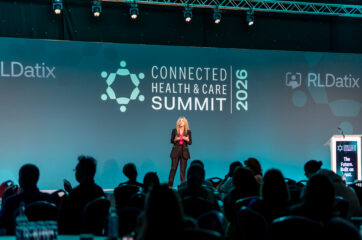
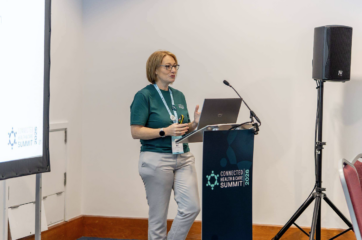
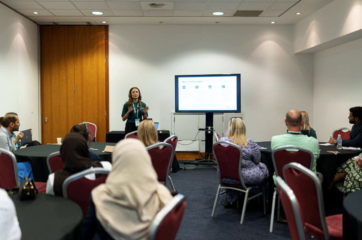
In this conversation, Alex Aris, IT and Projects Director at Priory, joins Johnny Newsham, Head of Independent Health and Care at RLDatix, to explore Priory’s workforce transformation journey, and how implementing Allocate Optima is helping the organisation move from reactive rostering to a more planned, transparent, and supportive approach for staff.
The discussion provides a candid look at the realities of large‑scale change: what wasn’t working, what Priory set out to achieve, and what they’ve learned along the way.
About Priory
Priory is one of the UK’s largest independent providers of mental health, adult care, and healthcare services, operating:
- Around 270 sites across the UK
- Approximately 70 hospitals and 200 adult care services
- Supporting 26,000 patients a year across 4,300 beds
- Employing around 13,000 staff
- With around 90% of services publicly funded
This scale brings complexity, particularly in environments where patient acuity can change rapidly and staffing needs must flex in real time.
In this session, you’ll hear insight on:
- Why Priory needed to change its rostering approach: Legacy systems were being used retrospectively, with rosters often built in Excel or on paper and only entered into systems for payroll, limiting visibility, control, and confidence.
- The link between rostering, wellbeing, and quality of care: Poor workforce planning was contributing to rising agency use, inconsistent staffing ratios, and unnecessary pressure on frontline teams.
- How Priory approached system selection differently: Frontline staff were directly involved in evaluating and selecting the solution, helping to overcome resistance to change and build early ownership.
- The importance of executive sponsorship and operational leadership: Visible leadership from the CEO and managing directors ensured the programme was treated as a business‑critical transformation, not an IT project.
- What change really looks like at scale: Moving from retrospective recording to planning rosters four to six weeks in advance required behavioural change, training, and sustained support.
- Early outcomes that matter to staff and leaders: From reduced payroll errors to improved access to shifts, financial wellbeing tools, and better visibility for managers.
- What’s next: Including GPS‑verified clock‑in/out (Loop Locate), reduced administrative burden, and closer integration between workforce, care, and governance data.
Watch the full session to hear Priory’s experience in their own words, including lessons learned, challenges encountered, and practical advice for other large care and health providers considering similar change.

Alex Ares
Director of IT at The Priory