
ASHRM 2026 recap: Shared experiences. Safer care.
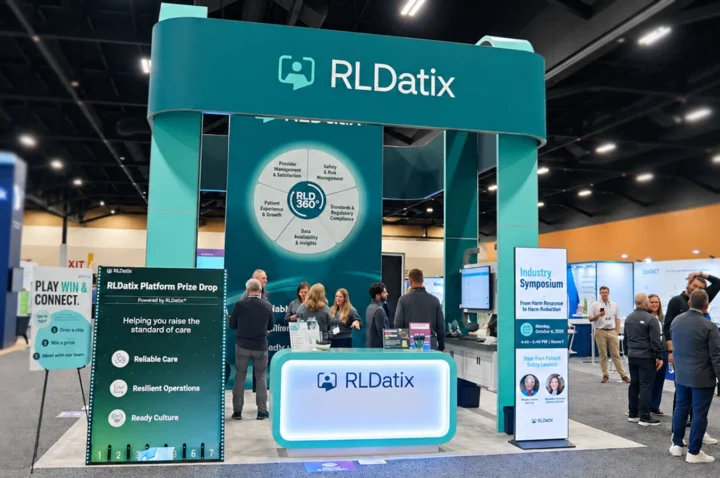
ASHRM 2026 brought the healthcare risk management and patient safety community together to share experiences and raise the standard of care.
ASHRM 2026 took place October 4–6 in Phoenix, Arizona.
Four takeaways from the conference conversations
Reliable care, resilient operations, ready culture. These were themes the community returned to throughout ASHRM 2026. Here’s what stood out.
Turn data into insight teams can act on
A recurring challenge at ASHRM 2026 was having more information than teams could meaningfully use. Data now surfaces patient safety patterns in ways organizations never saw before, yet the volume can make it harder to know where to focus. Attendees also discussed how these advances are helping organizations meet the Patient Safety Structural Measure, giving leaders visibility they did not have before. Conversations explored how AI can connect signals differently and how predictive approaches can help assess risk earlier rather than waiting for an event to learn from. The emphasis: turn findings into insight teams can act on, not simply collect more data.
Keep human judgment at the center of AI
Identifying a pattern is the beginning of an assessment, not the end of one. AI can surface connections people might otherwise miss, but people must validate what it surfaces. Governance and oversight help teams interpret findings in context and assess whether a signal warrants investigation before deciding how to respond. The opportunity for AI in patient safety comes with the responsibility to keep clinical expertise and accountability at the center of every decision.
Acknowledge harm with compassionate communication
Communication and Optimal Resolution (CANDOR) discussions emphasized that compassionate acknowledgment should not depend on having every answer. Patients and families should not have to wait for an investigation to conclude before receiving honest, empathetic communication. The sessions highlighted how clear processes and coaching help teams navigate difficult conversations, addressing legal concerns responsibly while ensuring people affected by harm feel heard from the start.
Make support proactive
Peer support conversations broadened the focus from patient experience to the wider human experience, including caregivers affected by harm as well as patients and families. When something goes wrong, the impact extends to the people providing care, and support should reflect that reality. A central takeaway: consider how support reaches people rather than relying on them to ask for it. Proactive outreach connects with the broader conference themes of resilience and learning together.
Learn about peer support solutions
Learning together at ASHRM
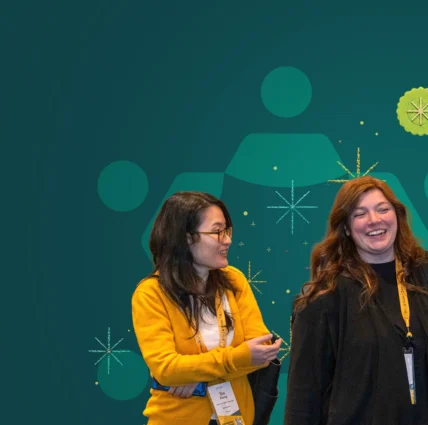
There was a clear energy at this year’s event, a sense of shared commitment that carried through every conversation. One of the most valuable parts of ASHRM is the chance to connect risk managers, patient safety specialists and industry colleagues in the same room. The RLDatix team shared RLD360 while learning from others’ experiences, challenges and ideas.
That exchange is what makes this community so important. As Dr. Tim McDonald put it:
"We really enjoy getting together with a lot of these people and get them to meet each other because they learn from each other, which is the other really, really exciting thing.”
Dr. Tim McDonald
Bringing the learning home
The value of ASHRM extends beyond the conference itself. It continues when a shared experience helps someone approach a challenge differently or a practical lesson informs a conversation back at their organization.
This year reinforced the connection between useful data, human judgment, compassionate communication and proactive support. The next step is carrying those ideas forward: sharing them with colleagues, reviewing existing approaches and continuing the conversations that started in Phoenix.
FAQs
ASHRM is the American Society for Health Care Risk Management, a professional membership group within the American Hospital Association. Its annual conference brings together healthcare risk managers, patient safety specialists, quality and compliance professionals and healthcare leaders to share knowledge, discuss emerging challenges and advance safer care across the industry.
Four themes shaped our conversations: turning patient safety data into insight teams can act on, keeping human judgment and governance at the center of AI, acknowledging harm through compassionate communication even before investigations conclude and making peer support proactive for patients, families and caregivers rather than waiting for people to ask.
The RLDatix team attended as exhibitors and community participants, sharing RLD360 and connecting with healthcare risk management and patient safety professionals. The conference gave us the chance to exchange experiences, hear about real challenges and learn alongside the people working to raise the standard of care every day. Learn more about RLD360
Conversations highlighted the potential for AI to connect signals across patient safety data and help teams identify patterns that warrant investigation. Equally important was the message that AI does not replace human judgment. Governance, validation and clinical expertise remain essential to interpreting what AI surfaces and deciding what action to take.
Both topics reflect a commitment to the human side of patient safety. CANDOR discussions emphasized acknowledging harm honestly while investigations continue. Peer support sessions focused on reaching patients, families and caregivers proactively rather than relying on them to seek help, recognizing that harm affects everyone involved.