

Connecting the dots: Turning safety reporting into safer care
The people behind safety reporting
What safety concerns are going unreported, and what would help staff feel comfortable raising them?
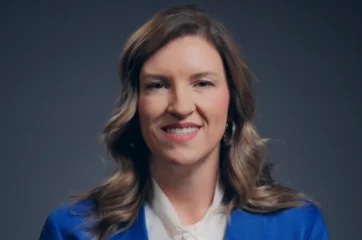
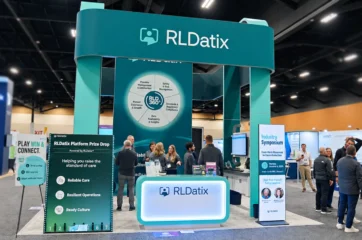
At ASHRM, a venue where risk managers and patient safety specialists come together, Annette Roberts shared her perspective on these questions. A nurse and program director in patient safety at CRICO, Roberts central message is that safety reporting depends on people feeling able to speak up and understanding how the information they share connects to the patients at the center of care.
Watch Annette Roberts of CRICO discuss the human side of safety reporting.
Understanding what goes unreported
For Roberts, understanding what organizations don’t know is a central patient safety challenge. While many staff members report safety events, others may still hesitate to speak up. That gap matters.
"So, really getting to know their staff and getting them to feel safe to speak up is really, really important.”
Annette Roberts, Program Director, Patient Safety, CRICO
Roberts does not identify specific reasons for underreporting. Instead, she focuses on getting to know staff and helping them feel safe to share concerns. The relationship between an organization and the people delivering care is where safety understanding begins. When staff trust that speaking up leads to learning rather than blame, more of those hidden concerns come to light.
Connecting safety data to the patients behind it
In this short video, Roberts discusses the human side of safety reporting. For staff focused on caring for patients, data alone may not feel connected to their everyday work. Reporting needs a recognizable human purpose.
"And when you connect the dots to a patient that could be a family member, a neighbor, that’s when it really hits home.”
Annette Roberts, Program Director, Patient Safety, CRICO
This is the core of her message. Making that connection to someone’s family member or neighbor brings the purpose of reporting into focus. When staff can see that the data they contribute represents real people, reporting moves from an administrative task to an act of care. The challenge for organizations is helping staff see that connection clearly, so safety reporting feels as close to their everyday purpose as the care they deliver.
Sharing information to learn from each other
For Roberts, the conversation shouldn’t stop within one team or organization. She emphasizes transparency and the value of sharing information openly across disciplines and with peers.
ASHRM provides exactly this kind of setting, where risk managers and patient safety specialists come together to discuss what is working and what could improve. That cross-sharing of information creates opportunities to learn from one another. When organizations allow that openness across teams and professional boundaries, lessons that might otherwise stay local become available to many. It is how the broader patient safety community continues to move forward.
Bringing reporting back to people
Roberts’ reflections follow a single thread: helping staff feel safe to speak up, making the human meaning of data clear and learning openly from others. It brings the purpose of reporting back to the people at the center of care: the patients, families and neighbors behind every data point.
Explore more conversations from the event on the ASHRM recap page.