

What NHS Wales leaders say their patient safety priorities are right now
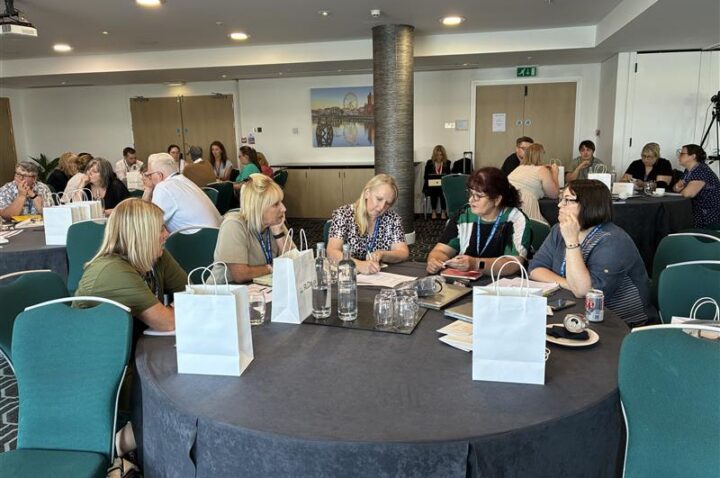
Insights from a facilitated session led by Adrian Williams, RLDatix, recorded at the RLDatix Wales: Listening and Learning for Improvement and Safe Care event, 23 June 2026, St. David’s Cardiff
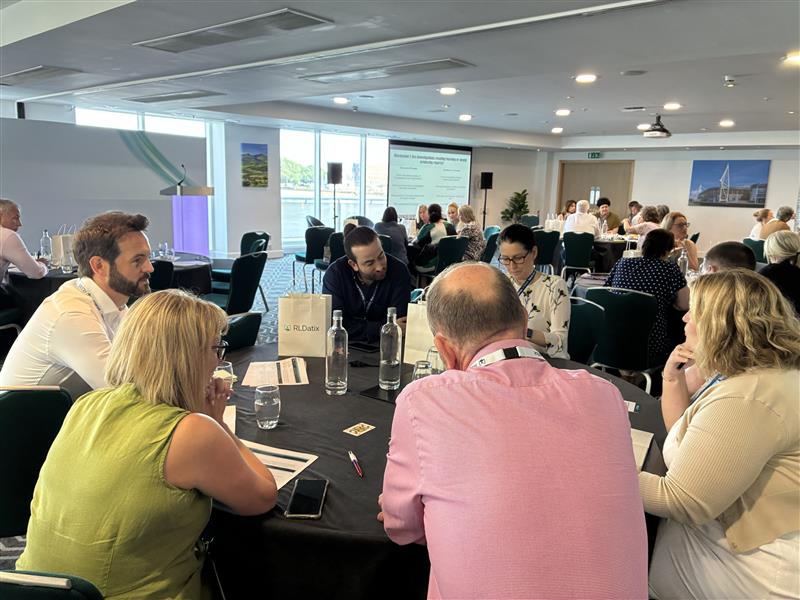
After a full day of keynotes, data, case studies and debate, Adrian Williams, who leads Customer Success at RLDatix, handed the microphone to the room. No slides, no presentation. One question: what is your standout objective for the next 12 to 18 months related to patient safety? The responses captured where NHS Wales leaders are focused right now, and how much of the day’s content had already started to land.
Key takeaways from this session
- Move from reporting to learning, faster. Multiple leaders said they already know where improvement is needed without waiting for the data to arrive. The priority is acting on it.
- Get data out so it can be linked. Incident data in isolation is not enough. Connecting it with patient data, admission timelines and workforce information is where the real insight lies.
- Build genuine learning systems, not compliance cultures. The risk of becoming a reporting culture driven by external data requirements is real. The goal is learning that changes practice, not reports that tick boxes.
- Clinical credibility changes how learning lands. Improvement teams that combine data expertise with frontline clinical experience are more trusted and more effective than top-down policy directives.
- Think upstream, not just downstream. Instead of waiting for the crash and changing the course, organisations need to invest in prevention before harm occurs.
Moving to learning and demonstrating improvement
Cathy Steele from Hywel Dda set the tone with a direct statement of intent. Her priority for the next six to 12 months is moving to learning and demonstrating improvement, without waiting for data to confirm what her teams already know.
"Forgetting waiting for the data to come in, we know where we need to improve without the incident reports and without the feedback. It’s getting to that quicker improvement.”
Cathy Steele, Hywel Dda University Health Board
Adrian noted that this was a recurring theme across the tables throughout the day: the knowledge of what needs to improve often exists within organisations, but it is not always disseminated to the teams that need to hear it. The gap is not insight. It is distribution.
Getting data out so it connects
Matt, Head of Safety, Quality and Organisational Learning at Cardiff and Vale, focused on a specific, practical ambition: getting data out of Datix Cymru so it can be linked with other data sets.
"Getting that data out, not so we can just look at it in isolation, but so we can look at it with our other data sets. I’d love to link that to patient data. For example, falls: we’d love to link up the admission data to know, are people falling more at the start of their hospital admission when they’re in a new environment, or is it more towards the end when they’re anxious to go home?”
Matt, Head of Safety, Quality and Organisational Learning, Cardiff and Vale University Health Board
That example connected directly to what Dr Louise Schaper, Gethin Bateman and the innovation team had all argued throughout the day: the power is not in the data itself, but in connecting data sets so that patterns become visible and actionable.
Genuine learning systems, not reporting cultures
Nigel Downs from Cwm Taf Morgannwg Health Board raised a concern that ran through the entire event: the risk that organisations become reporting cultures driven by compliance with Welsh Government and other external requirements, rather than genuine learning systems that change practice.
"It’s about how we can evolve genuine true learning systems, so that we don’t just become a reporting culture driven by compliance with data for Welsh Government. If we can get to that stage, then we’d be there. But it’s about building cultures.”
Nigel Downs, Cwm Taf Morgannwg Health Board
Asked how learning should reach the frontline, Downs pointed back to Dr Darren Kilroy’s session on clinical engagement. The answer is not more reports. It is getting out to teams, involving the people doing the work on a daily basis and building the culture from within.
"If we don’t involve those people who are doing the doing on a daily basis, we’re never going to get to the place where we want to get to, which is a genuine learning organisation with a culture that’s right.”
Champions on the frontline
Elise Pryor, working in clinical education in Powys, shared a practical initiative: a “topic of the month” programme driven by the quality and safety team, with champions embedded in clinical areas to share education with frontline teams.
"They want to get champions out there in the clinical areas to share the education with the teams on frontline level.”
Elise Pryor, Clinical Education, Powys Teaching Health Board
The model reflects a principle that came up repeatedly throughout the day: learning has to reach the people delivering care, not sit in a governance report. Champions who are known and trusted within their own teams are more likely to make that happen than a policy document arriving from the centre.
Clinical credibility and the improvement team model
An associate medical director from Cwm Taf Morgannwg described a six-year investment in building an improvement team that deliberately combines clinical credibility with data and methodology. The core team includes both clinicians and non-clinicians, and the health board seconds people from across disciplines, from facilities staff to clinicians, one day a week to join the improvement effort.
The most important factor, they argued, is how the team is perceived. They are not line managers. They are not there to scrutinise. They are there to facilitate improvement, with the teams themselves generating the ideas and driving the change.
"When I walk into A&E, I know the pressures, I know the situation. Having that clinical credibility and combining all of the different disciplines and the multidisciplinary approach eventually helps change the culture, because you’re not going in there to do something to them. You are inviting them to help improvement in-house.”
Associate Medical Director, Cwm Taf Morgannwg Health Board
The model echoes what both Helen Hughes and Darren Kilroy argued earlier in the day: learning that is done to people doesn’t stick. Learning that is done with people, in their own context, with people they trust, transforms culture.
Thinking upstream
The final contribution returned to Gethin Bateman’s Formula One analogy from earlier in the day. Instead of waiting for the crash and then changing the course, organisations need to invest in upstream prevention.
"If we were thinking more upstream, we’d prevent a lot more of that happening. I’ve heard it described as being in the weeds, but sometimes you need to be in the weeds for the flowers to grow.”
Delegate, NHS Wales
That is the shift the entire day had been building toward: from reactive to proactive, from reporting to learning, from individual investigations to system-wide intelligence.
The common thread
Five different health boards. Five different roles. One consistent message: the priority for patient safety across NHS Wales is not more data collection or more reports. It is building systems and cultures that learn genuinely, share openly, engage frontline teams directly and act before harm occurs.
The knowledge exists. The data exists. The collaborative culture that makes Wales distinctive exists. What comes next is turning that into consistent, visible, sustained improvement.
Continue the Conversation
Patient safety leaders across Wales are focused on improving outcomes through stronger governance, better use of data and a culture that prioritises learning.
Related Summit sessions:
- The Global State of Patient Safety: Where the UK Stands and What the Data Tells Us
- The Quality Agenda Unpacked: Insights, Questions and Expert Perspectives
- Policy Round-Up: What Healthcare Leaders Should Focus on Now
Watch these Summit sessions for expert perspectives on the challenges, priorities and policy developments shaping patient safety today.
FAQs
Adrian Williams, who leads customer success at RLDatix, turned the session into an open-microphone discussion. Instead of presenting slides, he asked delegates from across NHS Wales to share their standout patient safety objective for the next 12 to 18 months. Contributions came from leaders across Hywel Dda, Cardiff and Vale, Cwm Taf Morgannwg, Powys and other organisations.
The priorities clustered around five themes: moving faster from reporting to demonstrable improvement; connecting safety data with other data sets to reveal patterns; building genuine learning cultures rather than compliance-driven reporting cultures; embedding clinical credibility within improvement teams; and shifting focus upstream to prevention rather than reaction.
Powys Teaching Health Board described an initiative where the quality and safety team identifies a monthly focus topic, supported by champions embedded in clinical areas. Those champions share relevant education and learning directly with frontline teams, creating a practical, distributed model for getting safety learning to the people who need it.
Over six years, Cwm Taf Morgannwg built an improvement team comprising a core group of people trained in improvement methodology, supplemented by one-day-a-week secondments from across disciplines. The team is deliberately positioned as a facilitation resource, not a management or scrutiny function. By combining clinical credibility with data and methodology, the team is trusted by frontline staff and can work within clinical spaces to support culture change and improvement from within.
The priorities raised by delegates directly reflected the themes explored throughout the day. The call for genuine learning systems echoed Helen Hughes’s keynote. The demand for connected data aligned with Dr Louise Schaper and Gethin Bateman’s sessions. The emphasis on clinical engagement and values-based leadership reflected Dr Darren Kilroy’s contribution. And the push for upstream prevention connected to every session’s call to move from reactive reporting to proactive safety intelligence.