


2026 Connected Healthcare Summit Awards: Patient Safety, Compliance & Risk Management Success Stories
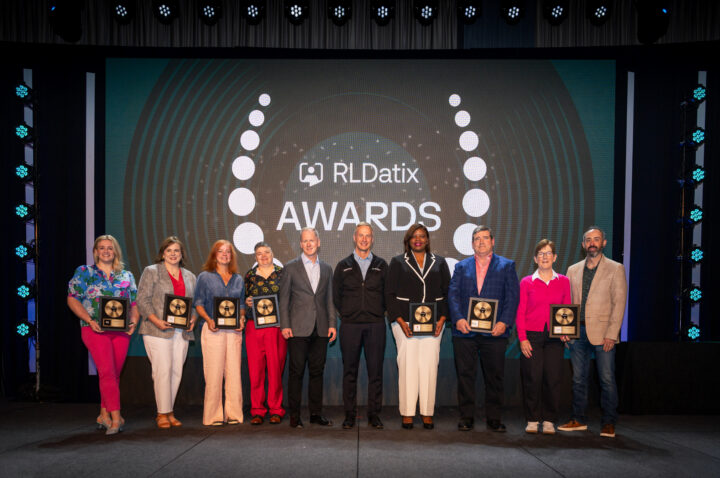
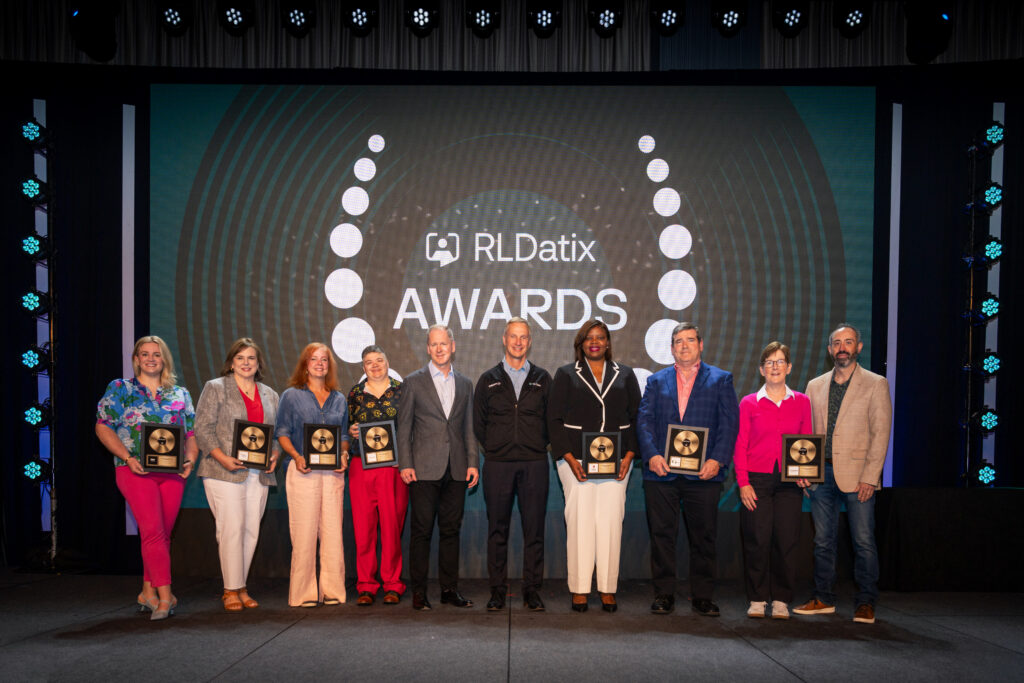
At the 2026 Connected Healthcare Summit in Nashville, more than 400 healthcare leaders came together to confront one of the industry’s most persistent challenges in patient safety, risk management and healthcare compliance: closing the gap between safety data and real-world action. RLDatix recognized eight organizations and individuals through the Connected Healthcare Summit Awards — each one raising the standard of care in ways that are measurable and meaningful.
These aren’t just technology awards. They recognize the leadership, cultural change and operational discipline it takes to turn insight into impact — at a time when health systems are navigating staffing pressures, regulatory complexity and the urgent need to do more with less. Here are their stories.
Innovation in Patient Safety & Risk Management: Children’s Hospital of Orange County, part of Rady Children’s Health — Orange, Calif.
In many healthcare organizations, patient safety reporting and risk management processes can take too long to close or reporting feels burdensome, critical patterns can go undetected. Children’s Hospital of Orange County tackled both challenges by completing a full migration from its legacy event reporting system to RLDatix’s healthcare risk management platform and patient safety software — a modern, integrated solution for tracking, investigating and resolving safety events — in just four months. The team redesigned workflows, eliminated bottlenecks in how events were referred to unit leaders and simplified submission forms to reduce friction for frontline staff. The results: faster resolution and increased reporting.
Why it matters: When events close faster, clinical teams can improve patient safety outcomes and reduce clinical risk sooner and can act to prevent recurrence. When more staff report without hesitation, it signals trust in the system — which is the foundation every safety culture is built on.
Innovation in Regulatory & Compliance: University Hospitals — Cleveland, Ohio.
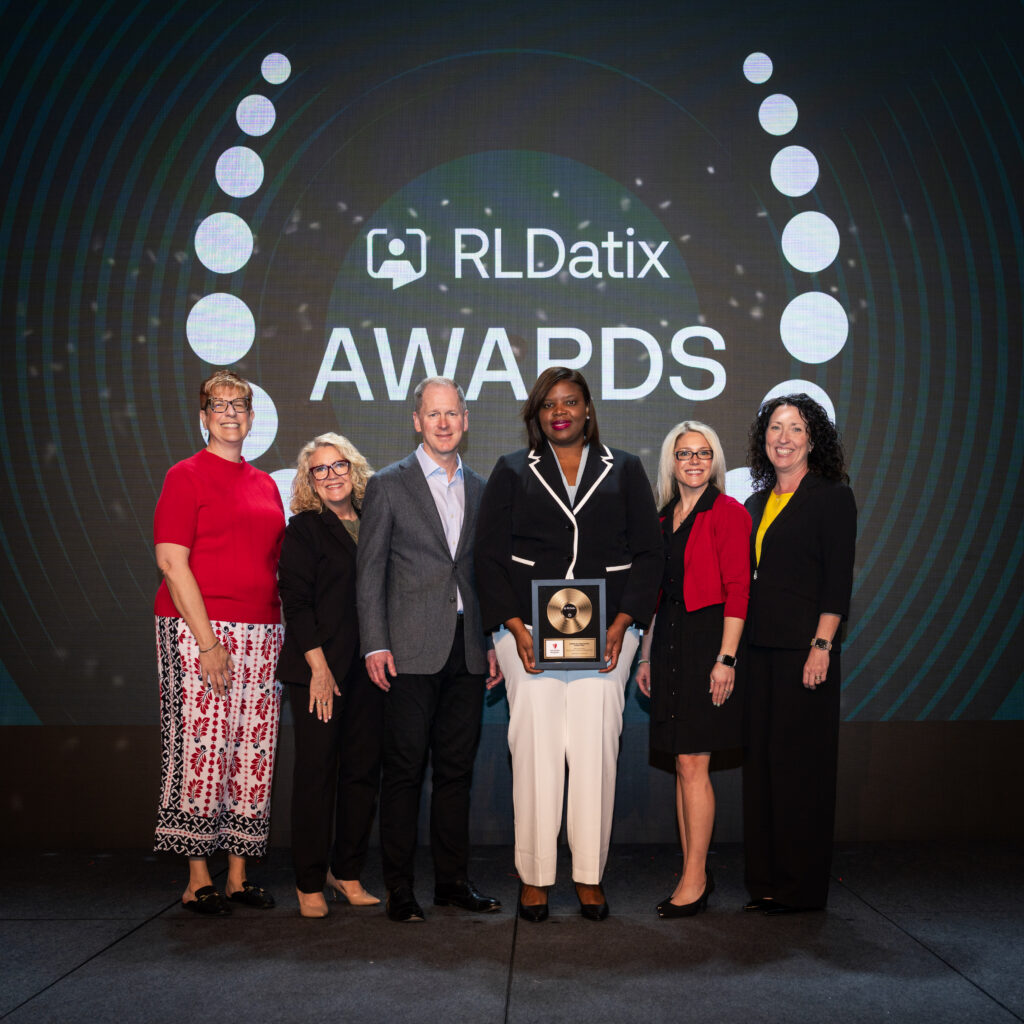
For many health systems, regulatory readiness and healthcare compliance processes are often fragmented — policies in one place, standards in another, audit documentation somewhere else. University Hospitals set out to change that by connecting system policies, regulatory standards, accreditation audits and clinical reference content into a single, accessible environment where caregivers can find what they need at the point of care. They also streamlined the user experience through unified search and single sign-on improvements. Their approach to AI adoption is equally forward-thinking: a dedicated subcommittee governs the use of PolicyGen AI — an in-platform tool that uses AI to generate first-draft policies for human review, backed by a research study evaluating user perceptions of accuracy, safety and usability.
Why it matters: Every minute a clinician spends searching for a policy or navigating disconnected systems is a minute not spent with patients. By making compliance intuitive rather than burdensome, University Hospitals is reducing friction for caregivers while strengthening the organization’s readiness for accreditation surveys — a constant pressure for every health system.
Innovation in Patient Experience & Outcomes: GI North — Cumming, Ga.
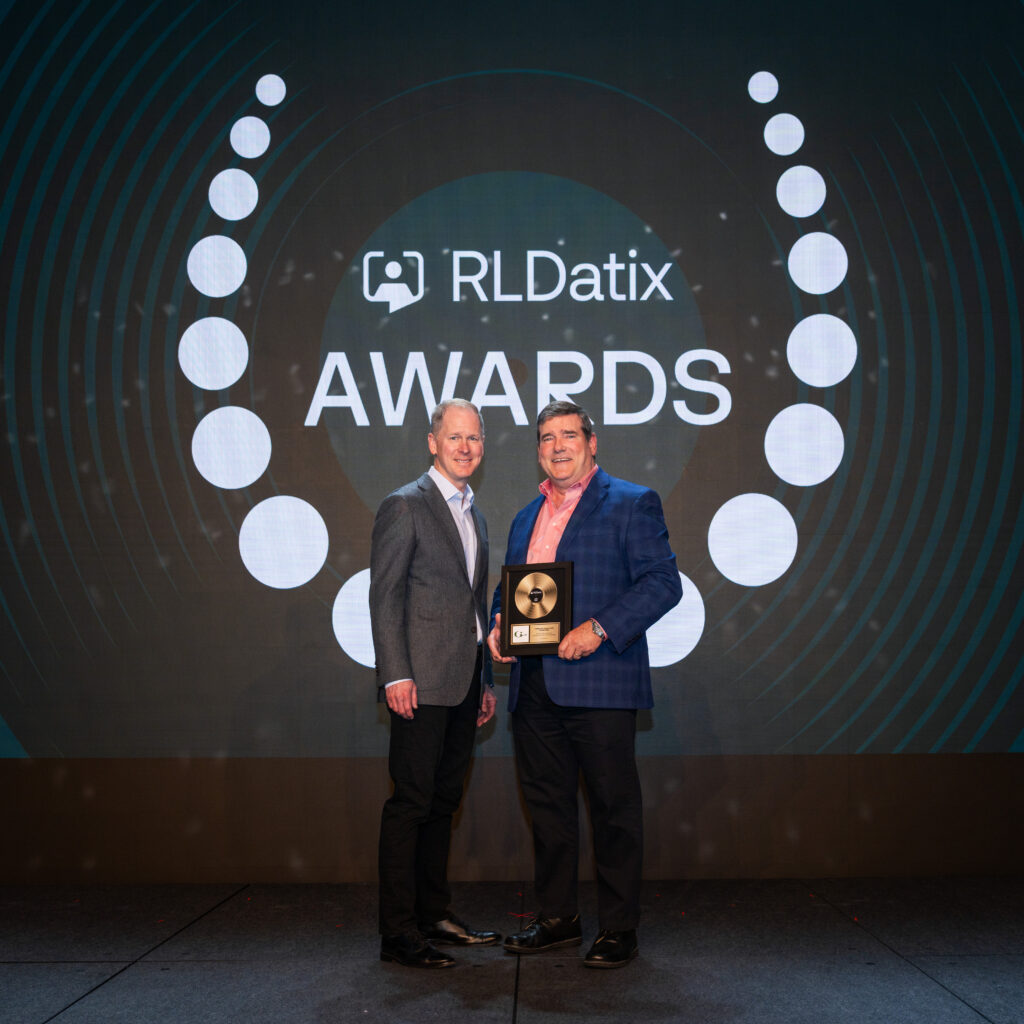
Patient experience has become a strategic imperative in healthcare — but too often, the feedback loop between what patients say and what organizations do about it breaks down. GI North earned this recognition for closing that loop. Using SocialClimb, an RLDatix company, the gastroenterology practice systematically gathers patient feedback and translates it into operational improvements. The team also tracks how those efforts translate into real results — measuring whether outreach and engagement activities are leading to more patients getting the care they need.
Why it matters: In specialty care, where patients often choose providers based on reputation and referrals, the connection between patient experience and organizational sustainability is direct. GI North shows what it looks like when patient feedback drives real decisions — not just reporting.
Data Continuity & Availability: MedStar Health — Columbia, Md.
Every health system carries the weight of legacy technology — archived systems holding years of data that’s technically retained but practically inaccessible. MedStar Health tackled this challenge by prioritizing governed, clinician-friendly access to historical data, ensuring information is available when and where it’s needed for clinical decision-making. Through its partnership with RLDatix, MedStar has advanced the use of analytics and AI to strengthen patient safety event analysis while modernizing its data foundation.
Why it matters: Effective digital transformation starts with making the data you already have work harder for the people who need it most. When clinicians can access historical safety data at the point of care — rather than waiting on IT requests or navigating archived systems — they are empowered to make better-informed decisions, faster.
Innovation in Provider & Workforce: Saint Francis Health System — Tulsa, Okla.
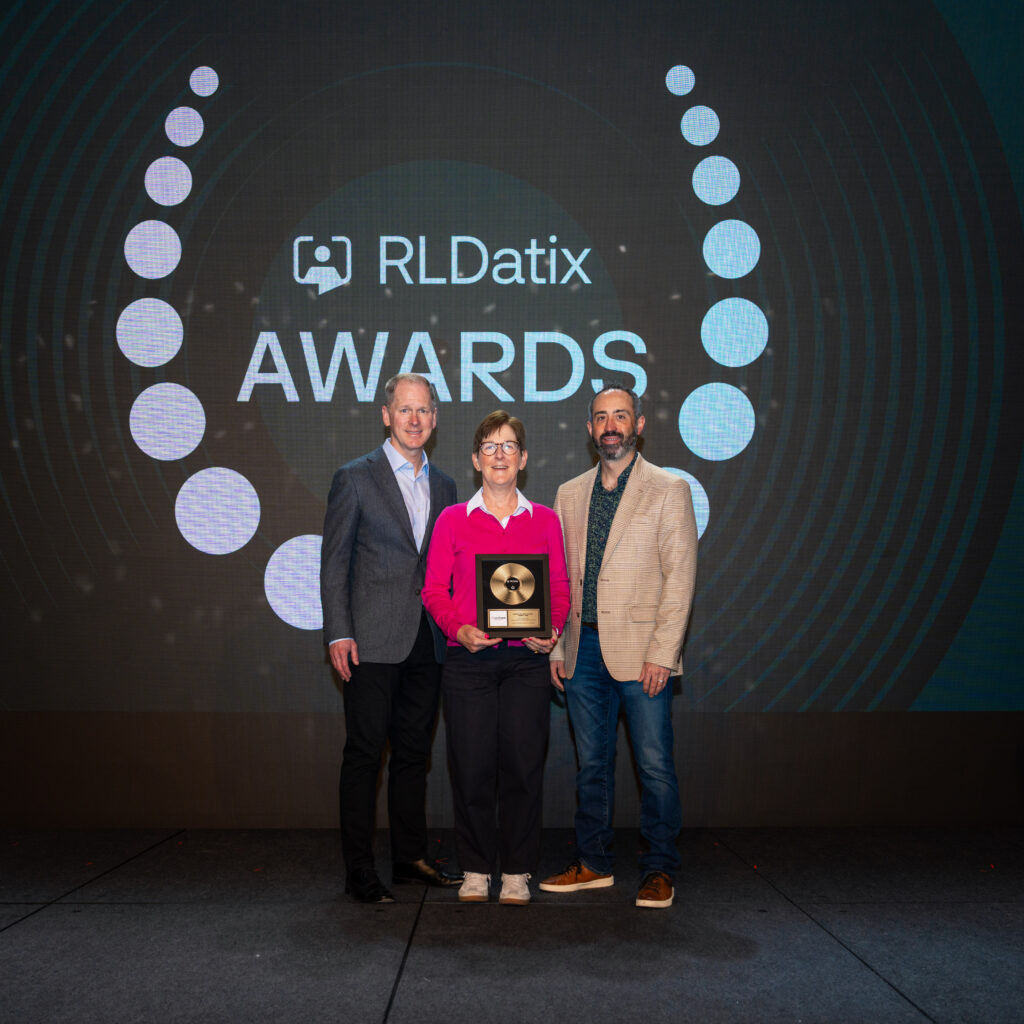
Healthcare’s workforce challenges don’t exist in isolation from patient safety — yet in many organizations, provider management and safety data live in separate systems. Saint Francis Health System, an RLDatix customer for more than a decade, is actively bridging that gap. The organization recently expanded its use of credentialing (a key part of healthcare workforce management) to include residents and additional contract groups and adopted Provider Insights to build unified provider profiles that connect workforce data with safety solutions.
Why it matters: When credentialing, safety events, and provider performance data are connected, organizations can spot patterns that siloed systems would miss — like whether onboarding gaps correlate with incident trends. That’s the kind of proactive risk management that protects both patients and providers.
Excellence in Implementation: SCA Health — Deerfield, Ill.
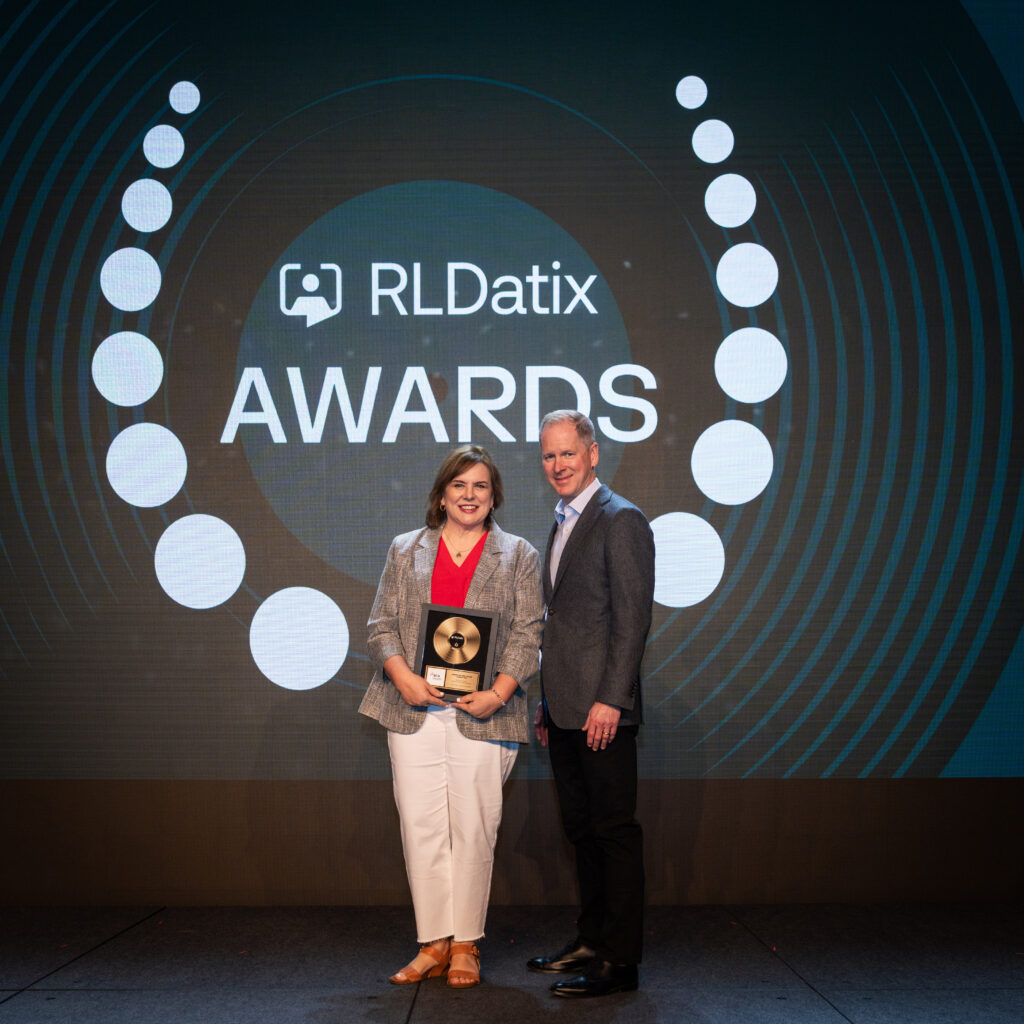
Implementation success is often measured at go-live. SCA Health’s story shows what happens when you measure it over nearly a decade. Since first partnering with RLDatix in 2016, SCA Health has built a safety platform deeply embedded in the daily workflows of its outpatient surgery center network — a setting where lean staffing and high patient throughput make usability and adoption critical. The team has expanded proactive risk assessments for high-impact areas like wrong-surgery prevention and retained surgical items, redesigned near-miss reporting to align with high-reliability principles and integrated safety data with enterprise systems to build cross-functional intelligence. The model SCA Health built was subsequently adopted across their broader parent organization.
Why it matters: SCA Health proves that sustained optimization — continuously evolving the platform alongside the organization — is what turns a reporting tool into an enterprise safety intelligence system. The fact that their parent organization adopted the same model speaks to its scalability and impact.
Change Agents of the Year: Stephanie Grabowsky & Becky Pomrenke, University of South Alabama Health — Mobile, Ala.
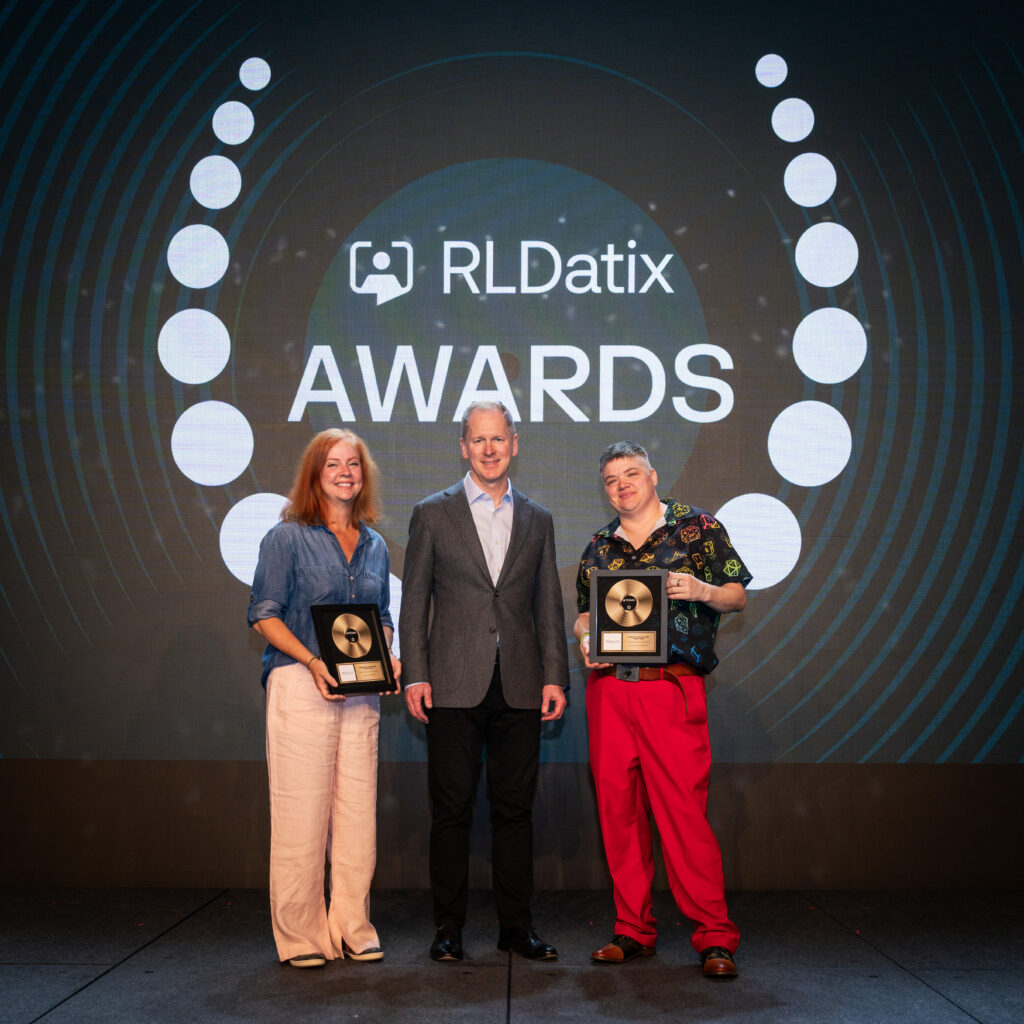
Enterprise transformation in healthcare requires people who can translate a large-scale vision into practical, day-to-day change while keeping clinicians, staff, and executives aligned. This year’s award recognizes a duo who did exactly that at USA Health. Stephanie Grabowsky led one of the most complex RLD360™ implementations among this year’s nominees, breaking down a sweeping initiative into achievable steps and shaping the platform to fit real clinical and operational workflows. Her colleagues describe her as someone who understood — or investigated until she understood — how every department and process interconnected. Becky Pomrenke has been the driving force behind rebuilding USA Health’s patient safety program, including bringing the nationally recognized CANDOR framework in preparation for new federal patient safety reporting requirements. Named to Becker’s 2025 list of 132 patient safety experts to know, Becky’s leadership extends well beyond implementation — she’s building the safety culture that makes sustained improvement possible.
Why it matters: Technology alone doesn’t transform an organization — people do. Stephanie and Becky demonstrate that when deep technical expertise is paired with a genuine commitment to safety culture, the result isn’t just a successful go-live, it’s lasting, systemwide change in how an organization prevents and responds to harm.
Collaboration Champion: Katelyn Hobbs, Midwest Surgical Hospital — Omaha, Neb.
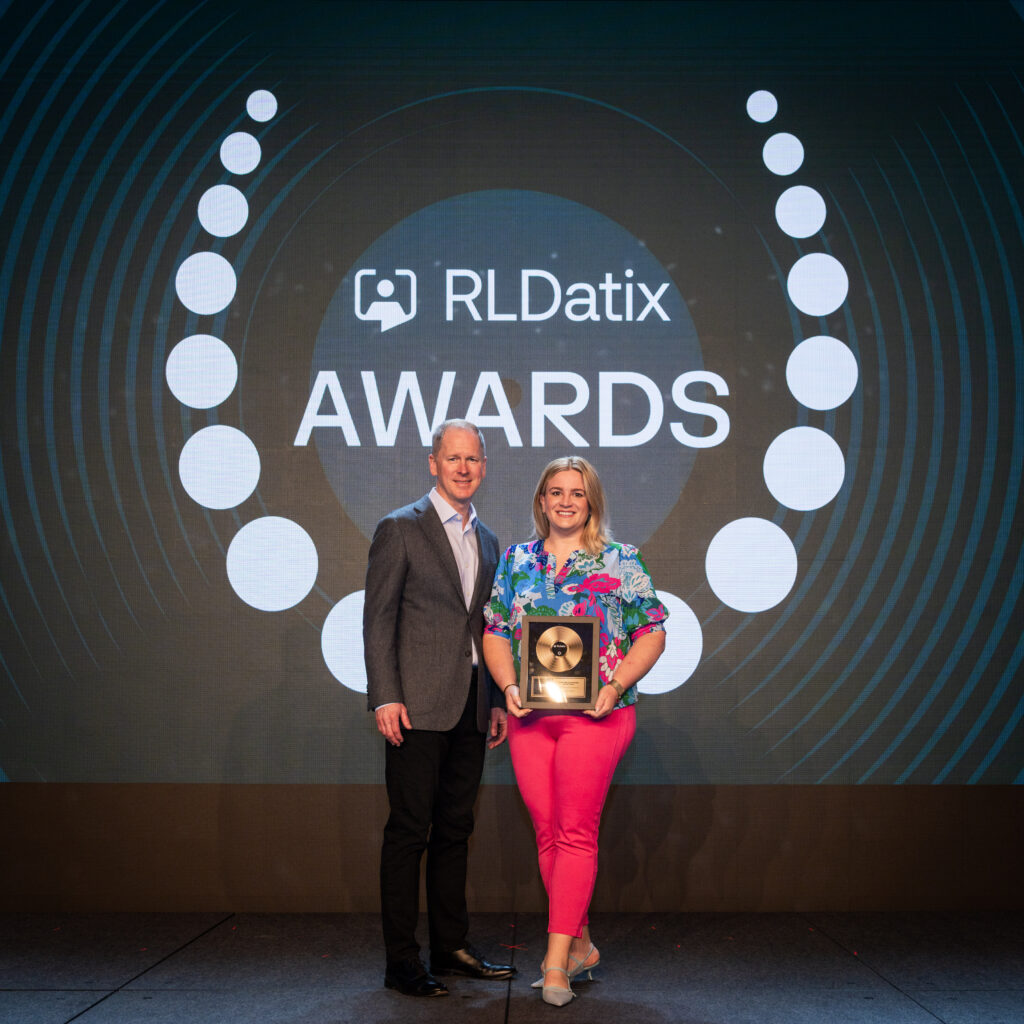
Some of the most valuable contributions to healthcare improvement aren’t made inside a single organization — they’re made between them. Katelyn Hobbs embodies that philosophy. During Midwest Surgical Hospital’s PolicyStat implementation, she didn’t just transform her own organization’s policy governance structure; she actively helped peer organizations in the RLDatix implementation cohort refine their workflows and strengthen adoption. Katelyn openly shares lessons learned, practical strategies and her emerging “DO-MORE-ology” improvement framework, encouraging others to adapt and build on it.
Why it matters: Healthcare improvement accelerates when organizations learn from each other — but that kind of open knowledge-sharing doesn’t happen on its own. Katelyn’s generosity created a multiplier effect, helping multiple organizations move faster and avoid missteps they might have encountered alone.
Frequently Asked Questions
What are the Connected Healthcare Summit awards? The Connected Healthcare Summit Awards are an annual recognition program hosted by RLDatix honoring healthcare organizations and individuals who demonstrate measurable progress in patient safety, compliance, patient experience, workforce management, and innovation. In 2026, eight recipients were recognized across seven categories at the Summit in Nashville, representing health systems ranging from large academic medical centers to specialty practices and outpatient surgery networks.
How do healthcare organizations improve patient safety? Healthcare organizations improve patient safety by making reporting easier, closing events faster, and using data to prevent harm before it reaches patients. CHOC, part of Rady Children’s Health, demonstrated this directly: after migrating to a modern safety platform, they cut average event closure times from roughly 60 days to 30 days and increased reporting volume — both within four months — signaling a stronger, more engaged safety culture.
What is risk management in healthcare? Healthcare risk management is the process of identifying, assessing, and mitigating threats to patient safety, staff well-being, and organizational integrity. It includes tracking adverse events and near-misses, conducting proactive risk assessments, and using data to prevent harm before it reaches patients. Effective risk management is both reactive — investigating what went wrong — and proactive, using analytics to identify vulnerabilities before they cause harm.
What is healthcare compliance and why is it important? Healthcare compliance is an organization’s adherence to regulations, accreditation standards, and internal policies governing how care is delivered and documented. Non-compliance can result in failed surveys, loss of accreditation, financial penalties, and preventable patient harm. University Hospitals in Cleveland addresses this by connecting policies, regulatory standards, and accreditation audit data into a single environment — so caregivers can find what they need at the point of care rather than navigating disconnected systems.
What is a healthcare risk management system? A healthcare risk management system is a software platform that helps organizations capture, investigate, and learn from safety events and near-misses. The most effective systems connect event reporting, root cause analysis, and analytics in one place — giving leaders visibility across the enterprise. SCA Health illustrates the long-term value of this approach: nearly a decade after their initial implementation, they continue to expand and evolve their platform, integrating safety data with enterprise systems to build organization-wide safety intelligence.
How does AI support healthcare compliance? AI supports compliance by accelerating time-consuming tasks like policy drafting, regulatory cross-referencing, and document updates. University Hospitals demonstrates responsible AI adoption in practice: their dedicated AI subcommittee governs the use of PolicyGen AI — a tool that generates first-draft policies for human review — backed by a formal research study evaluating accuracy, safety, and usability before broader rollout.
How can healthcare organizations improve patient experience? Healthcare organizations improve patient experience by systematically collecting patient feedback and acting on it — not just reporting it. GI North connects patient feedback directly to operational decisions, and tracks whether engagement efforts translate into measurable improvements in patient access and practice growth — turning patient experience from a survey score into a strategic discipline.
What can healthcare organizations learn from innovation award winners? Award-winning organizations share common traits: they treat technology as an enabler of culture change rather than a substitute for it, they measure outcomes that matter, and they sustain momentum long after go-live. The 2026 Connected Healthcare Summit award recipients — spanning children’s hospitals, large academic medical centers, outpatient surgery networks, and specialty practices — demonstrate that meaningful safety and operational improvement is achievable across every care setting, and that the organizations making the most progress are those that connect data across safety, compliance, workforce, and patient experience rather than managing each in isolation.
To explore how leading health systems are raising the standard of care, visit the RLDatix case studies library.