


A voice for all: How Nicklaus Children’s built a patient safety culture from the boardroom to the bedside
Introduction
Ask Randy Harmatz what actually reduces serious safety events and she won’t start with a system or process. She’ll start with the dedicated staff she works with every day and whether they feel safe enough to speak up.
As Chief Quality Officer at Nicklaus Children’s Health System, the only hospital in South Florida dedicated entirely to children, Harmatz has spent years supporting a culture where staff can raise a hand not just when something goes wrong, but the moment they sense something might. In this conversation, she shares what that work looks like in practice: leadership choosing transparency, board members walking into the NICU to listen and a “Safety for All” approach that treats the well-being of patients, staff and visitors as one shared responsibility.
When you’re caring for children, there’s no margin for anything less.
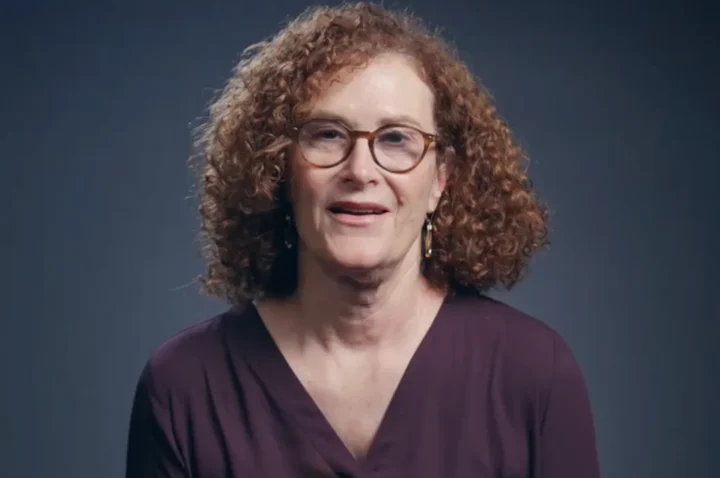
Watch Randy Harmatz share how Nicklaus Children’s Health System drives down serious safety events through transparency, frontline empowerment and a culture where every voice counts.
What drives down serious safety events in a children’s hospital?
Harmatz identifies four critical success factors. Each one is grounded in the daily reality of caring for pediatric patients and families:
- Transparency starts at the top and must be real. Safety events start to fall when senior leaders commit to openness and every team member genuinely believes their voice matters. Not just when something has gone wrong, but when they have a concern about something that could go wrong. That distinction is everything.
- Board members benefit from seeing care delivery up close, not only through discussions in the boardroom. At Nicklaus Children’s, board members have opportunities to spend time in areas such as the NICU and PICU, where they can hear directly from frontline staff. As Harmatz describes it, the staff "really appreciates it.” And the board members come away understanding the complexity of care delivery in a way no dashboard can convey.
- Safety has to mean everyone, not just patients. About 18 months before this conversation, the team recognized a gap, they talked a lot about patient safety but not nearly enough about staff and visitor safety. The response was “Safety for All,” a framework that connects every safety initiative under one umbrella so nothing falls between the cracks.
- Protect the caregiver so they can protect the child. Pediatric care means high stakes, vulnerable patients and anxious families. Harmatz describes the approach as "wrapping our staff in cotton” stripping away administrative burden so nurses, physicians and child-life specialists can be"100% dedicated to taking care of the child at the moment.” Leadership’s real job, as she sees it, is "to figure out how to make that an easier journey for them.”
Why does patient safety culture matter so much in pediatric care?
The challenge
Every hospital faces pressure to build a stronger safety culture. In pediatric care, those pressures are amplified. The patients are vulnerable. The families are anxious. The emotional weight on staff is constant and the margin for error is as small as it gets.
Randy Harmatz is candid about what Nicklaus Children’s had to confront:
- Staff didn’t always feel confident raising concerns before something went wrong. Speaking up after an event is one thing. Speaking up about a risk you’ve noticed when nothing bad has happened yet requires a different level of psychological safety.
- Safety conversations focused almost entirely on patients, leaving staff and visitor safety as an afterthought.
- Administrative tasks were pulling frontline caregivers away from the thing they came to do, look after children.
The approach
What stands out in Harmatz’s account is that none of this was solved with a new policy or a new process. It was solved with culture built deliberately, from the top:
- Senior leaders and the board committed to visible, sustained transparency. Board safety rounds aren’t a one-off. They’re routine. And they send a clear signal, the people making governance decisions understand what’s happening on the floor.
- "Safety for All” was built as infrastructure, not a slogan. It formally connects patient, staff and visitor safety so the organization doesn’t have to treat them as separate problems.
- Administrative burden was treated as a safety risk in its own right. Every minute a nurse spends on non-clinical admin is a minute not spent with a child. Removing that friction isn’t just about efficiency, it’s about reducing the conditions that lead to errors.
What does the shift look like in practice?
The difference between a safety culture that exists on paper and one that staff actually experience shows up in how people behave every day.
Before
- Staff hesitated to raise concerns about near-misses or emerging risks
- Board engagement was limited to reports, metrics and dashboards
- Patient safety and staff safety lived in separate workstreams
- Administrative tasks competed with direct patient care
After
- Speaking up even about something that could go wrong is expected and welcomed
- Board members physically round in the NICU and PICU, building trust with frontline teams
- A unified “Safety for All” framework connects every safety initiative
- Caregivers are freed to be"100% dedicated to taking care of the child at the moment”
Where these principles apply
The specifics are pediatric, but the principles are universal. Any organization dealing with high-stakes, people-intensive care can learn from this approach:
- Children’s hospitals and pediatric units — where vulnerability and family dynamics amplify the need for a safety-first culture.
- Large acute-care hospitals — managing complex, multidisciplinary teams across high-acuity settings.
- Multi-site health systems — needing a consistent safety culture that scales across facilities and geographies.
- Any workforce-heavy healthcare environment — where administrative burden risks pulling skilled clinicians away from direct care.
Hello, my name is Randi Harmatz, and I’m the Chief Quality Officer at Nicklaus Children’s Health System in South Florida.
We are the only hospital in South Florida dedicated to taking care of children. Some of the critical success factors that have really driven down serious safety events that I’ve observed starts, first of all, with senior leadership’s commitment to transparency. You really try and build a culture where everybody feels that they have a voice, a culture where staff believe that they can share not only when something does go wrong, but issues and concerns that they have regarding something that could go wrong.
One of the things that we’ve implemented is we now do board safety rounds, so every one of our board members, on a regular basis, we take them to the NICU, we might take them to the PICU, where they really have an opportunity to talk to the staff. And the staff, A, really appreciates it, but they’re very transparent. So not only does the administrative team understand and support, but really that change also needs to drive from the top, at the level of the board.
We realized about a year and a half ago that we talked a lot about patient safety, and we didn’t necessarily talk enough about staff and visitor safety. So we created an infrastructure that we call Safety for All, which connects all of those initiatives.
One of the big differences when you’re taking care of children is the stakes are really high, and you’re taking care of a vulnerable patient, a vulnerable family. Some of the work that we’ve done is to really wrap our staff in cotton in a lot of ways and remove some of these administrative burdens, making sure that the frontline staff, the caregivers, the child life specialists, the physicians, and nurses are dedicated 100% to taking care of the child in the moment. And it is really our job to figure out how to really make that an easier journey for them.
Frequently asked questions
Nicklaus Children’s is the only hospital in South Florida dedicated exclusively to pediatric care. It provides a full range of services for children and their families, with a strong organizational focus on patient safety, quality improvement and staff well-being.
Patient safety culture is the shared values, attitudes and behaviors that determine how seriously an organization takes safety. When staff feel psychologically safe to speak up, report concerns and raise near-misses early, serious safety events are more likely to be caught before they reach a patient.
"Safety for All” is a framework that connects patient safety, staff safety and visitor safety into one unified initiative. Instead of treating each area in isolation, the program ensures that improvements in one domain reinforce and strengthen the others.
Board members at Nicklaus Children’s regularly visit clinical areas such as the NICU and PICU to speak directly with frontline staff. This visible engagement builds trust, grounds governance decisions in bedside reality and reinforces that safety is a priority at every level.
When staff believe leadership is genuinely open, they are far more likely to report concerns, near-misses and errors early — before they escalate. Transparency shifts safety from a top-down mandate into a shared, everyday responsibility.
Every minute a nurse or physician spends on non-clinical admin is a minute away from the patient. Removing unnecessary tasks means caregivers can focus fully on the child in front of them, which directly reduces the risk of errors and missed warning signs.
Yes. Leadership transparency, frontline empowerment, board engagement and a unified safety framework are relevant to any healthcare setting — from large academic medical centers and multi-site systems to community hospitals and ambulatory care.