


Never satisfied with the status quo: 30 years of making medicine kinder and safer
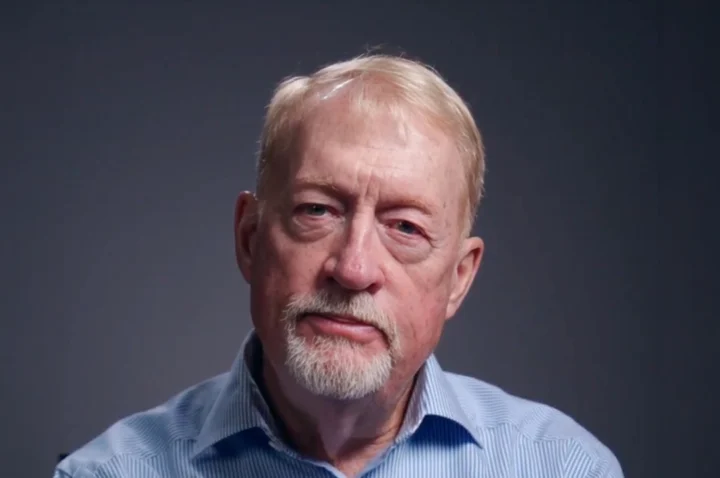
Thirty years is a long time to spend thinking about patient safety. Dr. Gerald Hickson — pediatrician, professor and founding director of Vanderbilt Health’s Center for Patient and Professional Advocacy — has been doing exactly that. His perspective is hard-won and direct: the healthcare profession has a responsibility to keep getting better, full stop. In this video, he talks about what drives that commitment, what gets in the way and why respect is the foundation everything else is built on.
Watch Dr. Gerald Hickson of Vanderbilt Health share what three decades in patient safety has taught him about professional responsibility, respect and what it takes to build a culture that genuinely keeps getting better.
Key takeaways from this conversation
- Healthcare professionals should never be satisfied with the status quo. Improvement is a professional responsibility, not an optional extra.
- Respect is foundational — respect for patients, for colleagues across every discipline and for the safety practices that are proven to make a difference.
- Staffing is one of the biggest challenges facing healthcare right now. Keeping skilled, motivated teams in place requires treating those team members well.
- High-performing health systems don’t happen by accident. They’re built by leaders who model the right values and create environments where people can do their best work.
The professional responsibility to keep improving
If you’ve been in healthcare long enough to really pay attention, Dr. Hickson says, you can’t help but see opportunities for improvement everywhere you look. That’s not a criticism — it’s a call to action. Healthcare is hard, and the people working in it are doing their best. But ‘best’ has to be a moving target, not a fixed destination.
For Dr. Hickson, continuous improvement isn’t just an organizational goal. It’s a professional obligation — one that belongs to every nurse, physician and pharmacist, not just the people at the top. And it’s inseparable from a culture of respect. When team members feel genuinely valued, when their concerns are heard and when their wellbeing is treated as a priority, they’re more engaged and more effective. That matters enormously in an environment where staffing pressures are making everything harder.
RLDatix helps health systems build the kind of listening infrastructure that makes this real — giving leaders the data and tools to understand their culture and act on what they find.
The impact on teams and where this approach works
Organizations that take Dr. Hickson’s principles seriously — constant drive for improvement, genuine respect for every person on the team, zero tolerance for ‘good enough’ — tend to outperform their peers in the ways that actually matter: safety outcomes, staff retention, patient satisfaction and long-term sustainability.
When leadership models these values and builds systems that reinforce them, the effect works its way through the whole organization. Staff feel safer speaking up. Clinical teams collaborate more effectively across professional lines. And the organization keeps moving — slowly, consistently, in the right direction. As Dr. Hickson puts it: ‘We want to be the best version of ourselves we can be.’
This approach is relevant in:
- Academic medical centers and teaching hospitals committed to a culture of professional excellence
- Health systems investing seriously in workforce wellbeing and staff retention
- Organizations working to build stronger cross-disciplinary collaboration
- Any healthcare setting where leadership is genuinely committed to continuous improvement — not just as a talking point
Hello, I’m Jerry Hickson, a pediatrician by training, someone who has spent 30 years thinking about patient safety and the well-being of all those we serve.
Over the years, as I have observed the practice of medicine — if you have your eyes open, you can’t help but see opportunities for improvement. Professionals should never be satisfied with the status quo, and as a professional, we have a responsibility to work with our professional colleagues — nurses, physicians, pharmacists — as we collectively try to make medicine kinder and safer.
And so my commitment as an individual has been driven by observations, and the values that I hope we all share about respect: respect for patients, respect for coworkers, and that we respect those established safety practices that we know make a difference.
One of the things that we’re struggling with and will continue to struggle with is staffing. How do we maintain motivated, high-functioning teams in times where medicine needs to deliver more and better care? We don’t do that without attention to our team members, and it begins with that concept of respect — that individuals who join our team are respected and will be treated with respect.
I think it’s really critical when we think about what we aspire to be as health systems. We want to be the best version of ourselves we can be.
FAQs
The Center for Patient and Professional Advocacy (CPPA) was founded by Dr. Hickson at Vanderbilt University Medical Center. It focuses on reducing medical errors and improving patient safety through data analysis, professional behavior intervention and cultural change. The CPPA is particularly well known for its work on using unsolicited patient complaints as an early warning signal for clinician performance issues — a model that health systems across the country have since adopted.
Because it is one. When clinicians and staff don’t feel respected, communication breaks down, safety protocols get cut and the team dynamics that prevent errors start to erode. When patients don’t feel respected, they disengage from their own care. Disrespect isn’t just an HR problem — it creates the exact conditions where harm is more likely to occur. Dr. Hickson’s point is that building a safe healthcare culture and building a respectful one are the same project.
Directly and significantly. Understaffed teams are more likely to experience fatigue-related errors, communication failures and process shortcuts. High turnover breaks down institutional knowledge and team cohesion. And when staff don’t feel supported or valued, motivation drops — which affects both individual performance and the overall safety culture. Treating staffing as a patient safety issue, not just a cost management one, is a mark of serious safety leadership.
Incident reporting is important, but it’s the floor, not the ceiling. Real continuous improvement means regularly reviewing near-misses, actively listening to frontline staff, analyzing clinical processes for hidden risks, building in peer feedback and — most importantly — creating a culture where bringing up a problem is seen as a contribution, not a complaint. Dr. Hickson’s 30-year career is itself a model of what sustained commitment to improvement looks like.
It starts with being deliberate about it — setting clear standards for professional behavior, addressing disrespect quickly and consistently and creating real channels for staff to raise concerns without fear. But it also means investing in the practical side: managing workloads thoughtfully, recognizing contributions meaningfully and supporting people’s development over time. RLDatix helps organizations listen to their workforce and act on what they hear — which is where respect gets real.