




One foot in two canoes: why the shift to value-based care demands leadership at every level
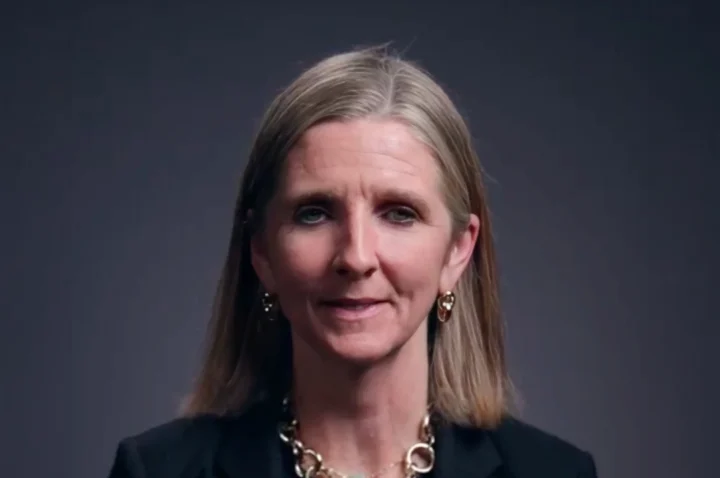
The U.S. spends more on healthcare than any other country in the world – and gets worse outcomes than many. Something is clearly broken. Dr. Danielle Sheurer, chief quality officer at MUSC Health, has spent her career trying to fix it. In this video, she talks honestly about the structural tension at the heart of American healthcare: the competing pull of fee-for-service and value-based care – and why navigating it takes genuine leadership from every corner of the organization.
Watch Dr. Danielle Sheurer of MUSC Health talk candidly about the structural challenges facing U.S. healthcare and what it really takes to move the system forward.
Key takeaways from this conversation
- The U.S. spends more per capita on healthcare than any other industrialized country – and still lags behind many nations on actual health outcomes. The system is broken, and everyone in it knows it.
- Most health systems are stuck between two conflicting models: fee-for-service rewards volume; value-based care rewards outcomes. Managing both at once is incredibly hard.
- Shifting toward value-based care isn’t a top-down mandate. It requires understanding, buy-in and active effort at every level of the organization.
- It’s a lot of work. But according to Dr. Sheurer, it’s the only path forward.
The structural tension at the heart of U.S. healthcare
There’s a reason so many healthcare leaders feel like they’re being pulled in two directions at once. Fee-for-service healthcare rewards volume – more visits, more procedures, more services. Value-based care rewards outcomes – better health, fewer complications, lower cost over time. These models don’t just have different incentive structures; in some cases, they actively conflict with each other.
Dr. Sheurer’s ‘two canoes’ analogy captures the problem perfectly. Health systems today have one foot in each boat, and the boats are drifting apart. Figuring out how to shift more of your business into value-based care – without destabilizing what’s keeping the lights on – is one of the hardest problems in healthcare right now.
It can’t be solved by leadership alone, but it can’t happen without it. RLDatix helps organizations build the data infrastructure and governance frameworks they need to make that transition – demonstrating the value of quality-driven care in terms that every stakeholder understands.
The impact on teams and where this approach works
When a health system successfully aligns around value-based principles – with leadership, incentives and operations all pointed in the same direction – things start to click. Clinical teams have clearer direction. Administrators make smarter resource decisions. And patients get more consistent, higher-quality care.
Getting there is hard, and Dr. Sheurer doesn’t sugarcoat it. It takes sustained effort from everyone. But she’s equally clear that there’s no other option: this is the direction healthcare is heading, and organizations that figure it out early will be better positioned for everything that comes next.
This perspective is most relevant to:
- Health system executives and boards wrestling with long-term strategic direction
- Quality and clinical improvement teams building the case for value-based initiatives
- Organizations managing the real-world complexity of operating under both payment models simultaneously
- Leaders working to build genuine, cross-functional alignment around quality and outcomes
Hello, I’m Danielle Sheurer. I’m the chief quality officer for MUSC Health and a practicing hospitalist.
The healthcare environment is extremely complex. It is dynamic and ever-changing. In the U.S., we spend more per capita on healthcare than any other industrialized country in the world, and we lag significantly behind even some third-world countries in actual health.
So the system today is completely broken. A lot of publications give this analogy of having one foot in two canoes. You’ve got one foot in a canoe that’s in the fee-for-service world, and you’ve got one foot in a canoe that’s in the value-based care world. And those feet are sometimes spreading in the opposite directions because the incentives are very different.
And so it takes a lot of leadership to figure out how to shift more of your book of business into value-based care than fee for service. And I say leadership because it is all levels of the organization that have to understand it and be excited about it and work toward it and be incentivized to do it.
It is a lot of work, and it’s the only path forward.
FAQs
Fee-for-service pays providers based on how much they do – more appointments, more tests, more procedures, more revenue. Value-based care flips that logic: providers are rewarded for the quality of outcomes they achieve, not the volume of services they deliver. The goal is better health at lower cost. It makes a lot of sense in theory. The challenge is that most health systems are still heavily dependent on fee-for-service revenue while trying to build value-based capabilities at the same time.
Because you can’t just switch models overnight. Health systems have to manage existing fee-for-service contracts while simultaneously building the infrastructure, culture and clinical programs that value-based care requires. The incentives point in different directions. The workflows are different. And it takes real organizational discipline to keep moving forward on both fronts without losing ground on either. Dr. Sheurer’s honesty about this is refreshing – it is hard, and pretending otherwise doesn’t help anyone.
A huge one. Quality improvement doesn’t happen just because someone at the top says it should. It happens when people at every level of the organization understand the goal, believe it’s achievable and have the tools and support to do something about it. Senior leaders set the direction, but mid-level managers translate that into daily operations, and frontline teams are the ones who actually deliver. All three have to be aligned – or improvement stays on paper.
RLDatix gives health systems the data and governance infrastructure they need to track quality, reduce variation and demonstrate measurable outcomes – which is exactly what value-based care demands. Whether you’re managing accreditation requirements, reporting on clinical performance or building the evidence base to justify investment in quality programs, RLDatix gives you the tools to do it systematically rather than reactively.
It means the board has to understand why this matters strategically. Senior clinicians have to champion it publicly. Managers have to build it into how their teams operate day to day. And frontline staff have to feel like their effort is seen and matters. Dr. Sheurer’s point isn’t just inspirational – it’s practical. Transformation that doesn’t reach the front line doesn’t actually transform anything.