


What we have learned from the ASHRM Annual Conference over the years

At ASHRM 2025, one message came through clearly: the future of patient safety depends on bringing forward what remains unseen, unheard and unreported. Across conversations on transparency, patient voice, safety culture and the responsible use of AI, healthcare leaders focused less on whether organizations need more information and more on whether they are prepared to act on the signals they have. For RLDatix, the lesson was that safer care depends on creating systems that make risk easier to surface and understand, and ultimately easier to address before harm occurs. This article looks at what we learned at ASHRM 2025 and what those lessons mean for healthcare leaders building more proactive, connected approaches to safety.
RLDatix’s history with the event
- First attended: 2002
- Years attended: This will be the 25th!
- RLDatix’s involvement: Gold sponsor, symposium speakers, innovation award sponsor
- RLDatix Healthcare Voices:
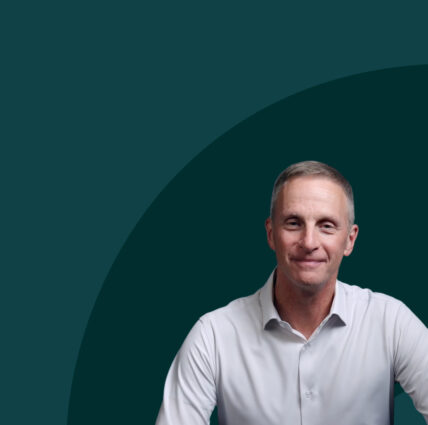
- Tim McDonald, MD, JD – Chief Patient Safety & Risk Officer, RLDatix
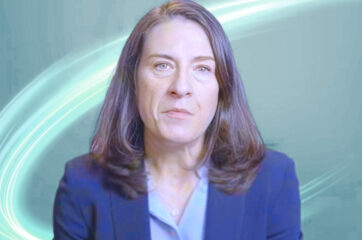
- Kimberli Corcoran, MSN, RN, NE-BC – Executive Director, Customer Center of Excellence, RLDatix
- Previous sessions: The Future of Patient Safety: Culture, Standards, and Systems in a Time of Change
- Core topics discussed:
- Patient safety culture in a changing healthcare environment
- Evolving standards, including the CMS Patient Safety Structural Measure
- Never event policy updates and reporting readiness
- Patient and family engagement as a driver of safer care
- Aligning culture, governance and operations to improve safety outcomes
"“The most important safety signals are often the ones healthcare organizations do not yet hear easily: a patient concern that never becomes a report, a staff observation that stays local or a pattern hidden across separate systems. One lesson from ASHRM is that safer care depends on treating those signals as opportunities to learn sooner, respond more consistently and reduce the likelihood of future harm.”
Tim McDonald, MD, JD
Chief Patient Safety & Risk Officer, RLDatix
What ASHRM 2025 revealed about the next phase of patient safety
ASHRM 2025 reflected a broader shift in patient safety: from documenting what happened after harm to understanding how organizations can recognize risk earlier. Transparency, culture and technology were discussed as part of the same challenge: how to help people speak up, how to make patient and staff signals visible and how to turn those signals into action. The conversation also moved beyond simply increasing reporting volume. Leaders were focused on the quality of what is heard and how quickly it is understood. Critically, they touched on whether organizations have the culture, processes and accountability to respond. That shift matters because the future of safety will not be defined solely by isolated interventions. It will be shaped by how well healthcare organizations connect insight across the enterprise.
The challenges that continue to appear
From the 2025 ASHRM Symposium, the same challenges surfaced in different forms: healthcare organizations are still working to move from reporting harm to learning from it. They still seek to connect fragmented safety information and reduce administrative burden to make improvement measurable. These issues persist because patient safety work depends on more than awareness. It requires culture, infrastructure and leadership discipline to work together every day.
The Future of Patient Safety Symposium repeatedly pointed to a gap between the information healthcare organizations collect and the insight they can act on. Harm is still difficult to report and learn from, and even when it is identified, organizations may lack the resources, workflows or confidence to respond consistently. Patient and family input was discussed as essential because it often reveals risks and experiences that formal reporting systems miss. But bringing in that voice also creates a new operational challenge: organizations must separate meaningful safety signals from high volumes of feedback without adding more pressure to already stretched teams.
That is why fragmentation remains such a barrier. Safety, risk, patient experience, peer review, workforce support and operational data often sit in separate places, making it harder to see patterns early or understand whether corrective actions are working. The conversation also returned to staff wellbeing and psychological safety. If people do not feel supported after harm events, or do not trust that speaking up will lead to learning rather than blame, important signals stay hidden.
The persistence of these challenges is not a sign that the sector lacks commitment. It reflects the complexity of making safety visibleand actionable across busy healthcare environments. Progress depends on turning disconnected inputs into shared learning, reducing the burden of safety work and giving leaders clearer ways to show that improvement is happening.
The most important lessons we have learned
At last year’s ASHRM, one message came through clearly: the future of patient safety depends on uncovering what remains unseen, unheard and unreported.
From elevating the patient voice to strengthening transparency and leveraging AI for earlier intervention, healthcare leaders are focused on turning silence into action.
1. Transparency is becoming the foundation of safer care
Leading organizations are creating environments where staff, leaders and patients can openly identify risks and learn from them.
2. The patient voice reveals risks healthcare organizations can’t see alone
Organizations that actively listen to patients gain deeper insights into safety risks and uncover opportunities to strengthen care delivery.
3. Safety culture drives sustainable improvement
Healthcare leaders are creating cultures where people feel empowered to speak up, helping organizations proactively identify and address risks.
4. AI’s greatest opportunity is reducing the burden of safety work
Forward-thinking organizations are exploring how technology can help teams focus on prevention rather than paperwork.
5. The future of patient safety is proactive, not reactive
Healthcare leaders are building connected approaches to safety that help prevent harm before it happens.
What has made the greatest progress?
The clearest progress we noted was the growing maturity of patient safety as a leadership priority. The conversation was no longer limited to individual events or isolated improvement projects. Speakers pointed to board accountability, structural measures, public reporting and executive incentives as signs that safety is becoming more visible at the organizational level.
The sector has also advanced in its use of data and digital systems. Digital surveillance, trigger tools, dashboards and emerging AI capabilities were discussed as ways to identify harm earlier, reduce manual work and help leaders see patterns across settings. While these tools are still evolving, they reflect a shift toward more proactive safety management.
There was also recognition that reporting and learning cultures have improved. The discussion highlighted progress in hospital-acquired infection reduction, the impact of transparency through public reporting and examples of organizations using frameworks to move from poor safety grades to stronger performance. Collaboration appears stronger too, with patient advocates, safety leaders, policymakers, insurers and health systems increasingly working together around shared expectations. The challenges remain significant, but ASHRM 2025 showed that the sector is no longer starting from awareness alone. It is building more practical ways to connect leadership, data, culture and measurable improvement.
What still needs to change?
The clearest gap is no longer a lack of ambition. It is the distance between what healthcare leaders say safety requires and what organizations can reliably execute every day. ASHRM 2025 made clear that many of the right principles are now widely accepted: transparency, patient and family involvement, just culture, stronger governance and better use of data. What remains harder is turning those principles into consistent practice across an organization.
Operational barriers continue to slow progress. Safety work still competes with staffing pressures, administrative workload, disconnected systems and limited capacity to follow through on improvement. Even when organizations identify harm or risk, unanswered questions remain: Who owns the response? How quickly should action happen? How is learning shared beyond the team directly involved? And how does the organization know whether the change actually reduced risk?
The most challenging point is that healthcare cannot keep treating safety as a program that sits beside daily operations. If safety signals live in separate systems, if staff do not feel supported to speak up, or if patient feedback is collected but not acted on, the organization is not learning as fully as it could. The next phase of progress will depend on making safety easier to operationalize, not just easier to discuss.
What healthcare leaders can take from these lessons
For healthcare leaders, the practical takeaway is to test whether safety efforts are changing how the organization works, not just what it tracks. Start by reviewing the information already being collected, including incidents, patient feedback, staff concerns, claims, peer review findings and operational data, and ask whether it is leading to timely decisions or measurable improvement.
Second, look for the handoffs where learning is most likely to stop. A harm event may be reviewed by one team, discussed by another and addressed operationally somewhere else. Leaders should define how insights move across those boundaries, who is responsible for action and how follow-up is reported back.
Third, involve frontline teams before improvement plans are finalized. Staff closest to care delivery can identify whether a proposed change is realistic, where it may add burden and what unintended consequences need to be considered.
Finally, define success before launching the work. Safer care cannot be measured only by whether a policy exists or a report is completed. Leaders should identify the behaviors, outcomes and leading indicators that show whether risk is being reduced in practice. This turns patient safety from a documented priority into an operational discipline.
What we will be listening for this year
As ASHRM 2026 brings health care risk professionals to Phoenix, we will be listening for how leaders are translating the field’s biggest priorities into practical change. The agenda points to continued focus on policy, case law, patient safety and enterprise risk, with featured topics including AI agents, nurse liability and organizational response after violence or active assailant events.
For RLDatix, the most important questions are grounded in the experiences of ASHRM attendees: Where are risk teams still carrying too much manual work? Which safety signals are hardest to see early? How are organizations preparing staff, patients and leaders to respond when risk becomes visible? And how are teams defining success beyond compliance?
This year may differ from previous years because the conversation is moving closer to execution. We will be watching how AI, workforce risk, regulatory expectations and enterprise risk management are being connected in real workflows, not treated as separate initiatives. Most of all, we want to hear from attendees about where progress feels real, where barriers remain and what support would make safer care easier to deliver.
Continue the conversation with RLDatix
RLDatix will be onsite at ASHRM 2026 as an Innovation Award Sponsor, continuing conversations with healthcare risk and safety leaders throughout the event. Attendees can connect with our team, join upcoming programming and visit us at booth #301.
- Book a meeting with us at ASHRM.
- Industry Symposium: Monday, October 5, 4:45–5:45 PM.
- Virtual Conference Session: Symposium recording with live Q&A, scheduled post-event.
- Innovation Award Sponsor.
- Passport to Prizes: Plinko booth games and prizes at booth #301.
Frequently asked questions
ASHRM 2026 brings together health care risk management, patient safety, compliance, legal and operational leaders to discuss emerging risks, practical strategies and the future of safer care.
The conference is designed for professionals working across health care risk, safety, quality, claims, compliance, legal, operations and leadership roles.
Sessions often focus on patient safety, enterprise risk, regulatory change, workforce pressures, claims, communication after harm and practical ways to strengthen organizational resilience.
Attendees can visit the RLDatix team at booth #301 to continue conversations about risk, safety and operational improvement.
Yes. Attendees can book a meeting with RLDatix at ASHRM to discuss their organization’s goals, challenges and priorities.
Yes. A post-event virtual conference session will feature the symposium recording and a live Q&A, giving attendees another way to engage with the discussion.