
Risk Management in Hospice Care: A Personal Story of Dignity and Patient Safety in Hospice Care
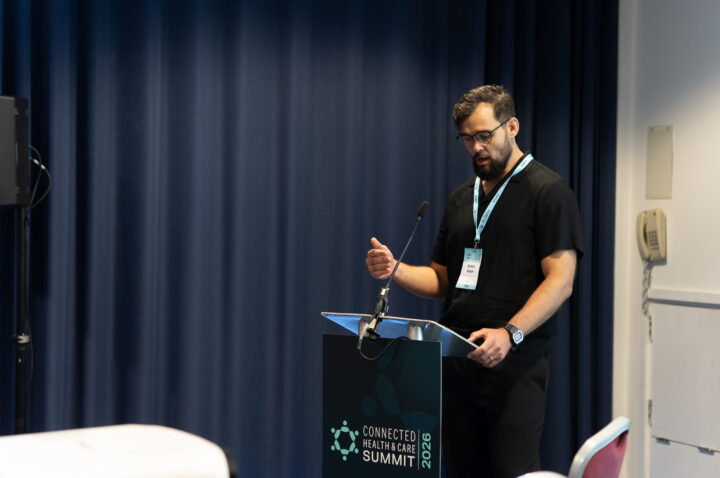
Hospices deliver care at the most vulnerable moments in people’s lives, yet many hospices face different patient safety frameworks, limited benchmarking and resource constraints compared with NHS trusts. In this session from the Connected Health & Care Summit 2026, Anders Nilsson, Business Development Manager at RLDatix, shares a deeply personal story about his father’s end-of-life care and then opens the floor to hospice leaders. What follows is an honest, practical discussion about what the sector needs, what it is not getting, and where RLDatix can better support hospice organisations.
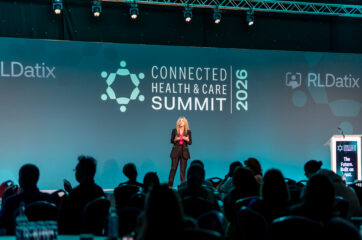
Watch Anders Nilsson of RLDatix share a personal story about dignity in end-of-life care and then host an open discussion with hospice leaders about patient safety, reporting, benchmarking and the technology gaps they face every day.
What the session covers and what hospice leaders are asking for
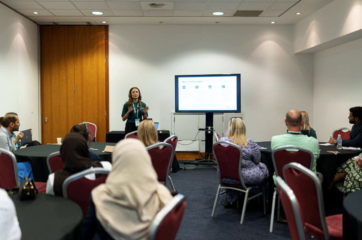
This session begins with a personal story and opens into a candid group discussion. The key themes were:
- Hospices have been largely left out of PSIRF. Very few are publishing patient safety findings, and there is no national benchmarking between hospice organisations discussed in this session
- LFPSE requirements vary according to how hospice services are commissioned and contracted, with reporting often remaining primarily within internal governance structures
- One children’s hospice went from 5 to 10 incidents per quarter to approximately 50 after a cultural shift, but cannot benchmark that figure against peers
- Hospice teams are small. One person often manages incidents, risk, quality, training and system administration
- Multiple disconnected systems are common, with no single source of truth for workforce and safety data
- Hospice leaders asked for a dedicated user group, faster release cycles, case studies to support business cases, live dashboards and safeguarding capability
The personal story and why small moments matter
Anders Nilsson opens with the story of his father, Torsten, a proud Swedish man with pancreatic cancer in his final days. One night, a nurse mistook his fluid drainage for a colostomy bag and told him to go in the bed. He tried to explain. She began to walk out. He threatened to crawl out of bed, at which point she realised her mistake, apologised and supported him. The next morning, he met his granddaughter for the first and last time.
Anders Nilsson never checked whether the incident was reported. He reflects that his father understood what he did at Datix, was proud of it, and would send newspaper clippings when the company was mentioned. The story highlights how a small interaction or single miscommunication can mean and how important it is to protect the dignity of those nearing end of life. For people who cannot speak up, who do not have a family member working in risk management, the consequences could be far worse.
What the discussion revealed and who it is relevant to
The discussion surfaced consistent themes across all the hospice leaders in the room. Sally from Helen and Douglas House described being six months from migrating to a competitor system because they had lost faith in Datix after years of poor relationship management. Coming to the conference changed her mind because she could see what the platform now offers, but she was candid that hospices cannot build the relationships NHS trusts can when they have only one person managing the system.
Charlotte from Mountbatten Group described manually creating dashboards and trailing through incidents for buzzwords because she does not have a live dashboard. She wants to see trends by time of day and staffing, but the basics need to come first. Several participants shared creative approaches to capturing good care, including QR code appreciation apps, “Celebrating Success” modules in Datix and physical letterboxes for “Moments of Kindness.”
Daniela from Priory Group raised the question of surfacing positive feedback from Datix into the Loop app, which the room identified as a potential solution to one of the summit’s recurring questions: how to disseminate learning and recognition to frontline staff.
This session is relevant to hospice directors of nursing, quality leads, governance managers, patient safety leads, system administrators, IT leads and anyone responsible for incident reporting, risk management or technology adoption in hospice or palliative care settings.
FAQs
The session is presented by Anders Nilsson, Business Development Manager at RLDatix, who has worked with the organisation for 10 years, starting on the Datix risk and incident management side. He has championed hospice customers throughout and works closely with Hospice UK. The session includes contributions from hospice leaders at Sue Ryder, Helen and Douglas House, Mountbatten Group and Priory Group.
Hospices have been largely left out of PSIRF. LFPSE is not mandated for private hospices. There is no national benchmarking between hospice organisations. Teams are small, with one person often managing incidents, risk, quality and system administration. Multiple disconnected systems are common. Funding is reducing, demand is increasing, and staff are leaving. Several participants described manually creating dashboards, trailing through incidents for themes, and storing evidence on spreadsheets because their systems do not support it.
Sally from Helen and Douglas House described arriving to find the hospice reporting 5 to 10 incidents per quarter. After 18 months of cultural work, that figure has risen to approximately 50, which she sees as a positive shift toward reporting near misses. But she cannot benchmark against other children’s hospices to validate whether that level is appropriate, because the session highlighted the lack of a consistent national benchmark for comparison.
Hospice leaders identified several gaps: no live dashboards for incident data, no ability to pull action planning reports, no integration between incident systems and workforce tools, no safeguarding module in older Datix versions, and no way to benchmark with peers. Several were using SharePoint and Excel to store evidence because their systems could not do it. Sally described her team manually tagging incidents to a SharePoint site as a risk register workaround.
Several hospices shared creative approaches. Helen and Douglas House uses a QR code appreciation app where staff can scan and record when they witness good care. Mountbatten Group uses a “Celebrating Success” module in Datix and physical “Moments of Kindness” letterboxes. Daniela from Priory Group suggested surfacing positive feedback from Datix into the Loop app so staff can see recognition directly, which the room identified as a strong idea.
Customer success committed to connecting with hospice organisations, sharing case studies to support business cases, providing webinar and version resources, and exploring a hospice-focused user group. The Action Plans module was highlighted as free in both Datix Web and DCIQ. A module deep dive video on actions is planned for September. Safeguarding capability is available in DCIQ. DataHub was suggested as a short-term option for triangulating data from multiple systems.
Anders Nilsson shared the story of his father to illustrate that small moments of miscommunication in end-of-life care can have a profound impact on dignity. His father was able to speak up. Many patients cannot. The story connects directly to the purpose of incident reporting and learning: ensuring that every interaction is captured so that care can be improved for people who are at their most vulnerable.
Sally from Helen and Douglas House was direct: her hospice had lost faith in Datix after being left without meaningful relationship management for a long period. They were six months from migrating to a competitor. Coming to the conference was eye-opening because she could see what the platform now offers.