

Preparing for Rotations: Streamlining Rota and MOD Onboarding
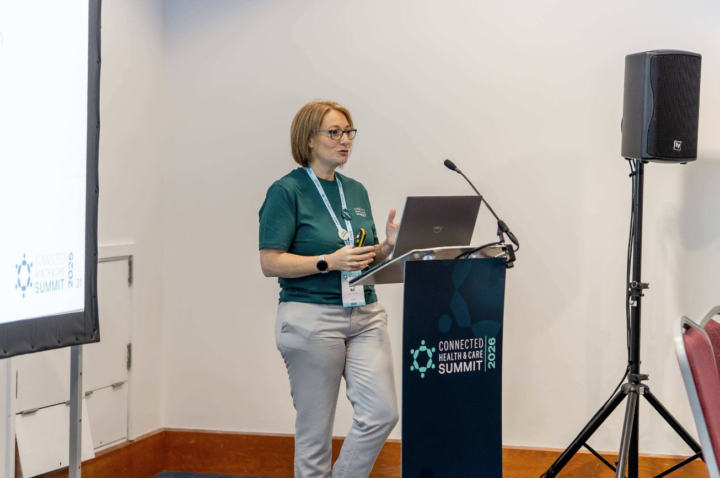
Resident doctor rotations can create significant challenges for every rostering and medical workforce team. Names arrive late, emails are missing, GMC numbers are wrong, and the system needs to be live before doctors start. In this session from the Connected Health & Care Summit 2026, Lucy Bell from the RLDatix Medics Adoption team walks through the full rotation preparation cycle, from building rota templates and managing onboarding uploads through to exception reporting changes, with practical workarounds for every point where information does not arrive on time.
Watch Lucy Bell walk through everything you need to prepare for resident doctor rotations, including rota templates, onboarding uploads, exception reporting, naming conventions and what to do when GMC numbers and emails arrive late.
What the session covers and the rotation preparation cycle
This session is a practical walkthrough of how to prepare for resident doctor rotations in Allocate Rota and Medic on Duty. The key points were:
- Rotations happen throughout the year, not just August, and all finish on a Tuesday with new placements starting on a Wednesday
- Information should arrive 12 weeks before rotation from lead employers, LETBs or deaneries, but quality varies and names often need correcting
- The rota lifecycle runs from template build through compliance check, pre-live, live, interface to Medic on Duty, changes management, exception reporting and end-of-period review
- Work schedules must be sent eight weeks in advance and detailed rotas six weeks in advance under the Rota Code of Practice
- Unused rotas should be archived rather than deleted, and naming conventions must be consistent to avoid exception reporting errors
Onboarding, workarounds and exception reporting changes
Lucy Bell covers practical onboarding into Medic on Duty. New cohort details, email addresses and user accounts can be bulk uploaded via spreadsheets. Temporary GMC numbers can be used for FY1s and updated later. Temporary email addresses such as a central HR or rostering mailbox can be used to create accounts before NHS emails are issued. A future feature is planned to allow post-dating user accounts.
On exception reporting, the main change since February 2026 is that the super user role no longer has access to view new exceptions. A verification manager role has been introduced. The team acknowledges the frustration of needing two logins for users performing both roles and confirms this is a top priority to resolve. It does not consume a second licence.
Doctors have 28 days to submit exceptions. Organisations have seven days to resolve them. Tickets flagged as exception reporting are scanned by the first-line medic support desk as priority.
What this means for organisations and who it is relevant to
Lucy Bell emphasises that communication is the single most important factor in smooth rotations. Having a single source of truth rather than multiple spreadsheets, reduces duplication and errors. The rota interface from Allocate Rota into Medic on Duty avoids duplicating rota patterns manually. Future placements can be uploaded via spreadsheet to give doctors visibility of their full year.
On rota types, Lucy Bell explains the choice between fixed templates, where doctors start on week one and end on week 17, and rotating cycles where everyone works the same pattern. The 2016 England contract allows copying a full-time rota and adjusting for less-than-full-time using flexi settings. The Wales reform will align with 2016 practices once released.
An audience member asked about ESR Go for medics. Lucy Bell confirmed there is no barrier and the historic issue of PAs being transmitted as hours has been fixed. Most organisations simply have not adopted it for medics because it has always been done another way.
Three separate recordings covering this material are available on the support portal alongside documentation and how-to videos by role.
This session is relevant to rota coordinators, medical HR teams, medical workforce managers, rostering leads, guardians of safe working and anyone responsible for resident doctor rotations, exception reporting or onboarding.
Frequently asked questions
The session is presented by Lucy Bell from the RLDatix Medics Adoption team. It is a practical, step-by-step walkthrough of rotation preparation covering rota templates, onboarding, exception reporting and workarounds. The session focuses on NHS England contract requirements but notes Wales reform alignment.
Information should arrive at least 12 weeks before the rotation from lead employers, local education training boards or deaneries. The BMA standard for NHS England is that at least 90% of information should be provided 12 weeks prior. Quality varies and names often need correcting. Work schedules must be sent eight weeks in advance and detailed rotas six weeks in advance.
Temporary GMC numbers can be used for FY1s and updated later via upload. Temporary email addresses such as a central HR or rostering mailbox can be used to create user accounts before NHS emails are issued. Bulk upload spreadsheets handle details, email contacts and user accounts. A future feature will allow post-dating user accounts. All uploads have documentation available on the support portal.
The super user role no longer has access to view new exceptions. A verification manager role has been introduced. Users performing both roles currently need two logins. It does not consume a second licence. Doctors have 28 days to submit exceptions. Organisations have seven days to resolve them.
If doctors start on week one and finish on week 17 with no repetition, a fixed template is more suitable. If everyone works the same pattern across a cycle starting Wednesday and ending Tuesday, a rotating cycle works better. The 2016 England contract allows copying a full-time rota and adjusting for less-than-full-time using flexi settings.
Yes. Lucy Bell confirmed there is no barrier. A historic issue where PAs were transmitted as hours rather than PA values has been fixed. Most organisations have not adopted ESR Go for medics because they have historically used other processes, not because of any technical limitation.