

Building a Rostering Community Across a System: The Hampshire & Isle of Wight Journey
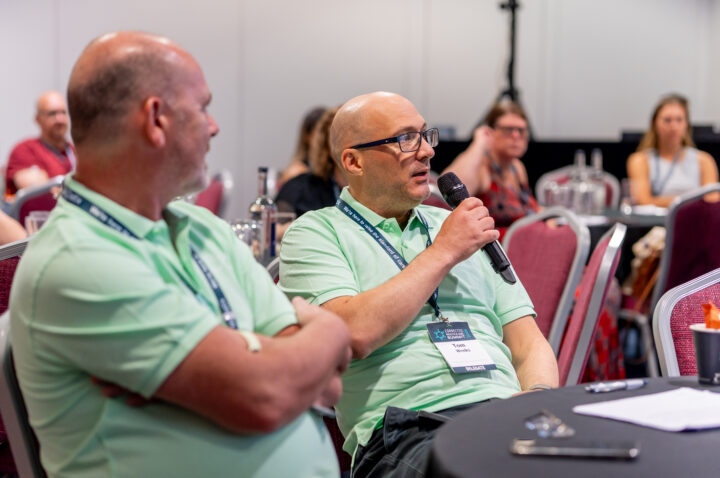
Most rostering improvement happens within individual trusts. Hampshire and Isle of Wight did something different. They brought their trusts together as an ICB to build rostering capability collectively, share learning, align systems and track improvement at a system level. In this session from the Connected Health & Care Summit 2026, Angela Murphy from the Hampshire and Isle of Wight ICB and Tom Weeks from Portsmouth Hospitals and Isle of Wight NHS Trust share the full journey, from financial recovery origins through to aligning two Optima databases that were five versions apart and rolling out medics rostering across 1,800 doctors.
Watch how Hampshire and Isle of Wight built a rostering community of practice across four trusts, aligned databases, reduced unfilled duties by 50% and rolled out medics rostering, with honest lessons on patience, noise and making change that is better for most.
What the programme achieved and the key numbers
This session covers a two-year system-level rostering improvement programme and the merger of two rostering teams at Portsmouth and Isle of Wight. The headline outcomes were:
- All four trusts now tracked on a single-page monthly system overview across 12 metrics, with four prioritised for improvement
- Each organisation improved on unavailability and headroom, though none has yet hit their target
- At Portsmouth and Isle of Wight, unfilled duties reduced by 50% and net hours balance reduced, maintained for six months
- 51 wards went live for team-based rostering in 12 months
- SafeCare reached 90% compliance at both organisations
- 680 of 900 resident doctors now have populated rosters, with full coverage targeted for March 2027
- 200 obsolete rosters closed, 100 new rosters built, 2,000 inactive agency workers removed from the system
How the collaboration worked and what the merger involved
Angela Murphy explains that the programme was driven initially by financial recovery but evolved into a community of practice focused on capability building. The ICB engaged RLDatix customer success early. Workshops were run across medical and non-medical rostering, driven by what roster leads wanted to learn. A rules review aligned practices across organisations. Sessions were recorded for longevity, and six-monthly reviews tracked progress.
Tom Weeks describes inheriting two Optima databases five versions apart when the Portsmouth and Isle of Wight corporate functions merged. Every item in reference data and gateway was reviewed and aligned, a process that took almost a year. His team faced a 50% vacancy rate from the restructure, took six months to fill posts, and was simultaneously asked to deliver Loop rollout to the Isle of Wight, migrate 1,200 bank workers to an external provider, manually transfer corporate staff mid-leave-year, and begin the medics rostering programme.
What this means for other systems and who it is relevant to
Yelena Burchill from University Hospitals Southampton describes the biggest benefit as being able to answer the question every trust board asks: what do others do? Having system-level data and collective evidence gives roster leads greater evidence and confidence when making the case internally. Fiona Corrigan from Hampshire Hospitals describes going back to basics as transformative, noting that customer success took them through settings and features they had missed, and that the programme put the rostering team on the map within the trust.
Tom Weeks closes with four learning points. Patience: do not rush decisions, reflect overnight. Professional judgment: be confident in your experience. Do not be frightened of noise: expect pushback when making changes, and only worry when the exec team starts asking rostering questions. And the biggest one: do not let perfect be the enemy of good. If a change is better for most, make it. The NHS has a habit of refusing to act unless something is better for everyone, and that holds improvement back.
All new rostering system administrators are expected to complete RCP accreditation by the end of their first year and RCP Plus by the end of year two, supported by the RLDatix Academy.
This session is relevant to ICB workforce leads, rostering managers, system administrators, customer success teams, finance directors, nursing leaders and anyone responsible for multi-trust rostering programmes, system alignment or group model workforce integration.
Frequently asked questions
he session features Angela Murphy from the Hampshire and Isle of Wight ICB, who led the system-level programme, and Tom Weeks from Portsmouth Hospitals and Isle of Wight NHS Trust, who managed the merger of two rostering teams. Kiri from RLDatix customer success, Yelena Burchill from University Hospitals Southampton and Fiona Corrigan from Hampshire Hospitals also contribute. The programme covers four trusts across the ICB.
The programme covers Hampshire Hospitals, Hampshire and Isle of Wight Healthcare (a community and mental health provider formed from four merging organisations), Portsmouth Hospitals and Isle of Wight (which came together under a group model), and University Hospitals Southampton. Angela Murphy coordinates the programme from the ICB. Each trust has its own rostering team but participates in the collective community of practice.
Tom Weeks describes reviewing every item in Optima reference data and gateway across two databases that were five versions apart. Weekly sessions compared settings, matched what could be changed immediately, and escalated significant differences to the trust leadership team for approval. Examples included “Band 5 RN” versus “RN Band 5” and pharmacists generically labelled as AHPs. The process took almost a year. All budgets and WTE were added and every roster template aligned.
Unfilled duties reduced by 50% after templates were aligned to budgets and excess shifts removed. Net hours balance at the Isle of Wight had reached significantly high numbers. This was caused by teams not populating rosters. After reinvigorating roster usage across all teams, net hours came down to zero by November and has been maintained for six months.
Tom Weeks shared four lessons. Patience: reflect overnight before making decisions. Professional judgment: be confident in your experience. Do not fear noise: expect pushback from changes, and only worry when it reaches the exec team. And do not let perfect be the enemy of good: if a change is better for most people, make it. Fiona Corrigan added that going back to basics was the most valuable part, and that peer learning across different trusts built mutual respect even when organisations disagreed on approach.
All new rostering system administrators are expected to complete RCP accreditation through the RLDatix Academy by the end of their first year and RCP Plus by the end of year two. In-house training runs alongside. One organisation had stopped training new roster managers entirely, which the programme has now corrected, with training required before system access is granted.
All trusts have agreed to adopt Optima version 12.6.1 through early access. Getting every organisation onto the same version will allow consistent comparison and shared learning. The programme is also working as early adopters on future workforce solutions. Medics rostering continues, with approximately 200 resident doctors still to be onboarded by March 2027.