

CQC: The shift away from single assessment framework and what it means for social care

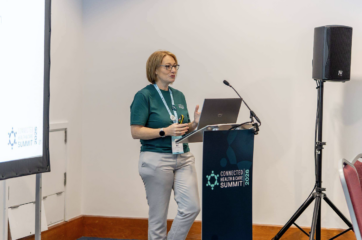
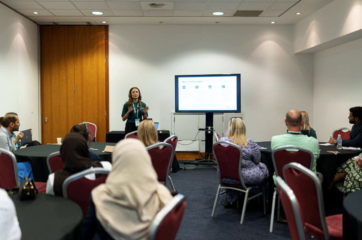
The CQC is undergoing its most significant reform in years, and the landscape for health and social care providers is shifting fast. In this session from the Connected Health & Care Summit 2026, Hannah Morgan from QCS, part of the RLDatix family, walks through what is changing in the CQC assessment framework, what is staying the same, and what providers should be doing right now to prepare. With inspection activity having dropped 80% between 2019 and 2024, the return to more routine assessment brings both opportunity and urgency for every provider in the room.
Watch Hannah Morgan from QCS explain the new CQC assessment framework, the return to key lines of inquiry, relationship-led regulation, and what providers need to evidence to stay inspection-ready.
What the session covers and the key changes
This session covers the full picture of CQC reform, from why it is happening through to what providers should do today. The key changes were:
- The 34 quality statements under the single assessment framework are being replaced by up to 24 key lines of inquiry that will be more familiar to experienced providers
- Professional judgment from inspectors is being given greater weight, with a shift back to relationship-led regulation and designated inspectors rather than generalists
- CQC will use smarter data sources, including complaints, local authority feedback, healthcare professional concerns, service user experience and staff feedback from platforms like Glassdoor
- The “return to good” methodology means good providers will face lighter-touch assessments focused on risk areas rather than full inspections
- There is no fixed inspection timetable. Assessment is intelligence-led and risk-focused
Why CQC is reforming and what stays the same
The Darzi review highlighted concerns about confidence in the CQC among providers. The session also references £14 million was spent on a failed IT system. There were major leadership changes. Inspection activity dropped 80% between 2019 and 2024, and even a three-yearly inspection cycle would require four times the current activity level. A consultation on the new framework closed in June with over 1,000 respondents. Piloting is underway this summer, with national rollout committed for next spring.
What stays the same is fundamental. The purpose of delivering safe, good care has not changed. The regulations, the Care Act, the five key questions of safe, effective, caring, well-led and responsive, the ratings from outstanding through to requires improvement, and the focus on people all remain. The shift is in how evidence is gathered and assessed, not in what constitutes good care.
What this means for providers and who it is relevant to
Hannah Morgan frames the new landscape around seven questions every provider should be able to answer: how do you know your people receive good care, how do you know your staff can deliver it, how do you know your service is well-led, how do you know you are improving, how do you know what people think, and how do you know where your risks are? For each, the emphasis is on better evidence, not more evidence.
The commercial case is stark. Outstanding providers can charge up to 20% more in fees. Outstanding care homes have 20% higher occupancy than those rated requires improvement. With 110,000 current vacancies in the sector, 1,000 staff changing employer every day, and vacancy numbers projected to approach half a million by 2040, governance quality directly affects financial sustainability.
An audience member from a children’s hospice shared her experience of an unannounced inspection. She gave the inspectors a password to a SharePoint site containing all evidence mapped to the quality statements. The inspectors spent almost all their time speaking to staff about culture, incident learning and what happens after something is reported.
This session is relevant to registered managers, directors of nursing, compliance leads, governance teams, operations directors, care home managers and anyone responsible for CQC readiness, quality assurance or regulatory compliance across health and social care.
Frequently asked questions
The session is presented by Hannah Morgan from QCS, part of the RLDatix family. QCS provides compliance and governance support to health and social care providers. Morgan has 15 years of experience in the sector, including time as a registered manager in adult social care. The session includes audience discussion and a real inspection experience shared by a children’s hospice director of nursing.
The 34 quality statements from the single assessment framework are proposed to be replaced. They are being replaced by up to 24 key lines of inquiry, which will be more familiar to providers who remember the previous framework. The “I” statements remain but the “we” statements are being removed. CQC is also shifting back to relationship-led regulation with designated inspectors who understand the context of the services they regulate, rather than generalists covering all sectors.
The return to good methodology is a proportionate approach for providers currently rated good. Rather than carrying out full inspections, CQC will focus on risk areas to determine whether quality has been maintained. It is not about doing less. It is about demonstrating with confidence that good governance and good care are still happening. Providers who benefit most will be those with solid governance systems and continuous evidence of quality.
There is no fixed timetable and no indication that CQC is returning to one. Assessment is intelligence-led and risk-focused. Triggers include frequent changes in registered manager, complaints, safeguarding concerns and feedback from healthcare professionals. The Provider Information Return is becoming more important as a data source. Higher-risk providers are more likely to receive an inspection. Those performing well and evidencing continuous quality are less likely.
Hannah Morgan outlines seven areas. How do you know people receive good care: care plans, risk assessments, outcomes, feedback. How do you know staff can deliver it: supervisions, appraisals, surveys. How do you know the service is well-led: governance structures, documented meetings, follow-up actions. How do you know you are improving: continuous improvement evidence. How do you know what people think: staff surveys and action on results. And how do you know where your risks are: oversight systems with evidence of action.
Outstanding providers can charge up to 20% more in fees and have 20% higher occupancy than those rated requires improvement. The sector has 1.4 million carers, with 1,000 changing employer every day. There are currently 110,000 vacancies, projected to approach half a million by 2040. The session also cites 28% of staff report that turnover reduces care quality, and 23% say it significantly increases the financial burden on their organisation.
CQC is shifting to smarter use of data from multiple sources. This includes complaints, feedback from local authorities and healthcare professionals, service user experience, and staff feedback from platforms such as Glassdoor and online forums. Hannah Morgan notes that CQC already looks at informal sources like Mumsnet for maternity services, on the basis that a single public complaint is unlikely to be an isolated event.
Hannah Morgan advises providers to understand what evidence CQC is asking for, build a strong governance framework with policies that translate into care delivery, bring the whole team on board from carers through to finance, continuously improve by benchmarking against peers, stay inspection-ready at all times rather than scrambling when notified, and make technology work for them by using existing systems to their full potential.