
How Priory Group Rolled Out Optima Across 250 Sites: Lessons in Implementation, Adoption and Return on Investment
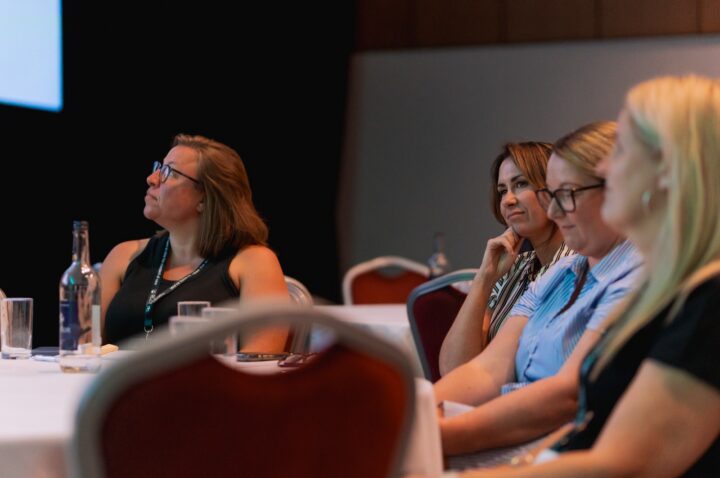
Rolling out a workforce management system across hundreds of sites, spanning hospitals, residential care and supported living, presents significant implementation challenges for independent health and social care. In this session from the Connected Health & Care Summit 2025, Ingrid Loh, Head of Projects at Priory Group, and Johnny Newsham, Head of Independent Health and Care at RLDatix, walk through the full Optima implementation journey, from vendor selection and pilot sites through to adoption reporting, KPI tracking and the Nelson House case study.
Watch Priory Group’s Head of Projects share the full story of implementing Optima across more than 250 healthcare and adult care sites, including what worked, what was painful and what they would do differently.
What the session covers and the headline outcomes
This session walks through a three-year implementation programme covering vendor selection, phased rollout, team design, adoption challenges and measurable return on investment. The headline outcomes were:
- Over 200 adult care sites fully rolled out, with 15 of 50+ healthcare sites remaining
- Nelson House, a healthcare site with 40 to 50 colleagues, reported saving several hours per week on roster management and five hours per month on payroll processing after going live
- Loop Locate now in wave two, rolling out 40 to 50 sites at a time
- Time savings are being redeployed to front-facing patient care, not used for staff reduction
- Adoption reporting is now being embedded into healthcare and adult care operating boards, with the CEO asking about Optima at every board meeting
The challenges Priory faced and how Optima was selected and implemented
Before Optima, Priory’s sites were using a rostering tool that had become difficult to use and no longer met their operational requirements. Ward and site managers could see shifts but had limited visibility of who was in, who was out, or why. Sickness was not clearly visible. Manual workarounds on paper and Excel were standard. The noise from sites reached board level, and the CEO asked the projects team to investigate.
Ingrid ran focus groups with both healthcare and adult care sites alongside the previous supplier. The feedback was consistent, highlighting gaps between the systems capabilities and Priory’s requirements. Priory built a detailed statement of requirements, ran a formal tendering process with multiple suppliers, and involved frontline end users in every demo. Following this process, the sites selected Optima. The due diligence process lasted between 6 and 12 months, following 2 to 3 years of earlier engagement.
Priory then ran three pilot sites before phasing the rollout in waves, with a three-month tracker for each site going live.
What this means in practice and who it is relevant to
The implementation team at Priory includes four trainers, eight admin support managers, two system specialists, a payroll specialist and a two-and-a-half-person implementation team. Ingrid describes it as the largest resource investment on any project in Priory’s history.
The phased approach was essential. Adult care, where staff are hourly paid and accustomed to clocking in and out, adopted the system more easily. Healthcare, where staff are salaried and not used to being held accountable for net hours, required more time and additional education. Each hospital site can have its own microculture across different wards, making consistent adoption more challenging to drive.
The biggest lesson learned was around integrations. Priory had built automated purchase order integrations with their previous system, but did not rebuild those for day one of the pilot. This meant some sites temporarily lost time savings they had previously experienced, creating additional manual work. Ingrid now makes integrations one of the first areas scoped on any project.
Adoption is tracked through monthly KPI reporting tied to the original business case. Dashboards are being transitioned onto SAP BI so that managing directors and operations directors can take ownership of adoption alongside census, pipeline and recruitment reporting.
This session is relevant to programme managers, heads of projects, operations directors, HR and workforce leads, IT teams and anyone responsible for system implementation, change management or workforce technology adoption across multi-site healthcare or social care organisations.
Frequently asked questions
The session features Ingrid Loh, Head of Projects at Priory Group, who has been with the organisation for eight years, progressing from project manager to her current role. She is joined by Johnny Newsham, Head of Independent Health and Care at RLDatix. Priory Group is a private mental health and social care provider with over 50 hospitals, more than 200 adult care residential services, supported living services and outpatient therapy.
The previous system was described as clunky, with extensive manual workarounds on paper and Excel. Sites could see their shifts but could not see who was in, who was out, or why they were absent. Sickness was not clearly visible. Ward and site managers had limited visibility into staffing patterns and available resources. The CEO asked the projects team to investigate, and focus groups confirmed the system was not fit for purpose.
Priory built a detailed statement of requirements based on feedback from healthcare and adult care focus groups. They ran a formal tendering process with multiple suppliers, and the same frontline staff who had identified problems with the previous system attended every demo and gave feedback on what would and would not work. Following the selection and due dilligence process, the sites chose Optima for its requirements. Ingrid describes the due diligence process as the most stringent she has experienced, lasting between 6 and 12 months.
Priory used a phased approach with three pilot sites, followed by waves of rollout using a detailed three-month tracker for each site going live. The tracker covers tasks across system specialists, admin support managers, BI leads, integration leads and payroll leads. Ingrid says there was no way they could have done a big bang approach across both healthcare and adult care. The programme was always planned as a two-to-three-year effort. The same phased approach has since been applied to Loop Locate, SafeCare and Bank Staff Plus rollouts.
Nelson House is a Priory healthcare site with between 40 and 50 colleagues. Before Optima, staff relied on paper and Excel and could not see why colleagues were absent. After going live, the site reported saving several hours per week on roster management and five hours per month on payroll processing. The time saved is being redeployed to front-facing patient care duties rather than used for staff reduction.
Ingrid says the most painful lesson was not building integrations before going live with the pilot sites. Priory had previously built automated purchase order integrations with their old system. When they moved to Optima, those integrations were not rebuilt for day one. Sites lost time savings they had already experienced and had to duplicate effort manually. Once the integrations were rebuilt, adoption improved. Ingrid now makes integrations the first thing scoped on any project. RLDatix has also changed its own approach and now recommends integrations upfront.
Priory tracks KPIs tied to the original business case, including time savings on roster management and payroll, bank and agency reductions, unworked hours by salaried staff, and employee engagement. The programme manager has tracked these monthly for two years, speaking to each site to understand how much time was spent on specific tasks before and after going live. The reporting is now being transitioned onto SAP BI dashboards for site managers, operations directors and managing directors, and will be discussed at healthcare and adult care operating boards.
Ingrid emphasises three things. First, involve end users in the selection process from the start, because adoption is more likely to be successful when people feel involved in choosing the system. Second, build integrations before going live, not after. Third, invest in ongoing support. Staff turnover in care settings means new people constantly need training, and adoption will slip without a dedicated team checking in on sites and holding them accountable through reporting.