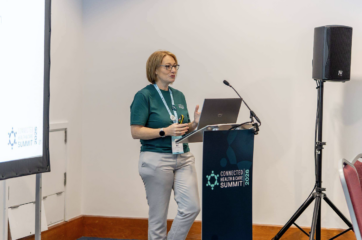



Job Planning in Practice: How ESR Integration Improved Workforce Planning

When NHS England set the 95% job plan sign-off target, Shrewsbury and Telford Hospital was at 6.55%. Twelve months and two full job planning cycles later, they had reached 97.54% and delivered a £2.4 million cost improvement programme as a direct result. In this session from the Connected Health & Care Summit 2026, Sally Gray, Team Manager, Samantha Hooper, Associate Director for the Medical Directorate and Susanne Crossley, Deputy Chief Operating Officer share how they did it, what went wrong along the way, and why paying doctors for what they are actually doing is the foundation on which everything else depends.
Watch how Shrewsbury and Telford went from 6.55% to 97.54% job plan sign-off in 12 months, delivered a £2.4 million saving, became the most improved trust nationally for RTT and 28-day faster diagnosis, and are now piloting the Job Plan to ESR interface.
What the session covers and the headline results
This session tells the full story of a job planning transformation at a challenged trust. The headline results were:
- Job plan sign-off went from 6.55% on 1 April to 97.54% by 31 August, then a second prospective cycle was completed by April the following year
- Theatre utilisation increased from 68% to 87%
- Insourcing was suspended
- A £2.4 million CIP was delivered through identifying consultant capacity.
- Agency usage reduced, WLI costs fell, and SAS doctor time was released for outpatient capacity
- The trust became the most improved nationally for the 28-day faster diagnosis standard and for RTT performance
- The trust is now piloting the Job Plan to ESR API interface, which flags discrepancies between job planned PAs and paid PAs in real time