

Keeping Patient Safety Systems Alive: How South East Coast Ambulance Rebuilt Its Datix System from the Ground Up
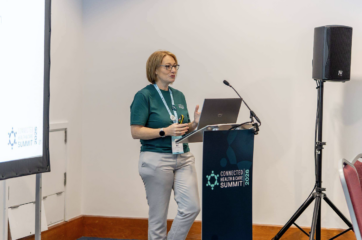
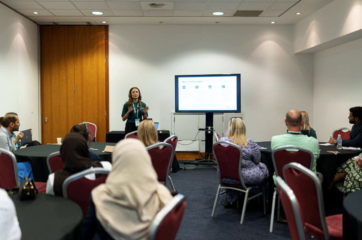
Patient safety systems only work if people use them, and people only use them if the system works for them. When South East Coast Ambulance Service hired its first Datix manager after two years without one, the system had been underutilised, the forms did not match user needs, and staff did not know what happened after they reported an incident. In this session from the Connected Health & Care Summit 2026, Teagan Briant from South East Coast Ambulance and Hannah Dalziel from RLDatix share the plan to fix it.
Watch South East Coast Ambulance Datix manager and RLDatix’s customer success team explain how to stop patient safety systems becoming stagnant, with practical advice on gap analysis, form design, communication and driving a culture of learning.
What the session covers and the key takeaways
This session walks through the practical reality of inheriting, auditing and rebuilding a patient safety system that has drifted from its users’ needs. The key takeaways were:
- SECAmb transitioned from Datix Web to DCIQ in 2024 with no dedicated manager. When Teagan Briant arrived in January 2026, the system had been underutilised for two years and was identified as an area requiring renewed focus
- The previous feedback questionnaire received six responses. Teagan Briant’s generated over 200, showing genuine appetite for change when staff feel listened to
- SECAmb is targeting a 20% reduction in average time to submit and process an incident and a 25% reduction in entry errors and incomplete reports
- Staff did not know what happened after they reported an incident. Closing that feedback loop is central to the redesign
- Communication, repeated throughout the session, is described as one of the most important factors in keeping a system alive
Why systems become stagnant and how SECAmb is responding
Systems can become stagnant for a range of reasons. Historical data creates paralysis. Organisations worry about losing what they have and avoid making changes. Forms stop matching real-world processes. Staff disengage because the system does not capture what they need it to capture, and they cannot see what happens with their data once it is submitted. When there is no dedicated manager, maintaining momentum and engagement can become more difficult.
Teagan Briant’s approach at SECAmb followed a clear sequence. She spent the first two months networking with module leads, division leads and key stakeholders to understand the problems. She then ran an in-depth gap analysis of the system, created a roadmap with clear timelines, and launched a feedback questionnaire that generated over 200 responses. Changes are being built and tested in a test environment before going live, with early adopters providing feedback. Four admin champions help disseminate knowledge across the organisation, supported by training sessions, drop-in sessions and user guides.
What this means in practice and who it is relevant to
The session makes a compelling case that system configuration is not an administrative task. It is a patient safety imperative. When forms do not match user needs, staff stop reporting. When reporting drops, insight disappears. When insight disappears, organisations cannot learn, and preventable harm recurs.
Hannah Dalziel from RLDatix reinforces that the shift across the sector is from reactive to preventative, from “what went wrong” to “what can we learn.” But she is honest that the question of how to disseminate learning outcomes in a way that actually changes frontline behaviour has not been fully answered yet. She highlights the importance of showing staff what their data is doing, creating forums where people feel safe to speak honestly, and prioritising insight over volume.
An audience member from another trust shared their approach of “Datix Bites,” three-to-five-line micro-communications explaining why specific fields exist, sent weekly via staff bulletins and Facebook. Another audience member from Royal United Hospitals Bath described a successful Datix relaunch day where a surgery team member said: “I kind of just love Datix. It’s a system that just works.”
This session is relevant to Datix managers, patient safety leads, governance teams, quality improvement leads and anyone responsible for configuring, maintaining or driving adoption of incident reporting systems across health and social care.
Frequently asked questions
The session features Teagan Briant, Datix manager at South East Coast Ambulance Service, who previously worked at Epsom and St Helier, and Hannah Dalziel, Customer Success Team Lead at RLDatix. Teagan Briant joined SECAmb in January 2026 and inherited a DCIQ system that had been running without a dedicated manager since its transition from Datix Web in 2024. The session includes audience contributions from representatives from other healthcare organisations.
SECAmbhad transitioned from Datix Web to DCIQ in 2024 without a dedicated Datix manager. The system had been underutilised for approximately two years. Forms did not match user needs. Staff were putting patient information in the wrong fields. Auto-population and system triggers were not being used. The last feedback questionnaire had received only six responses. When Teagan Briant arrived, she spent her first two months networking to understand the problems before proposing a structured plan.
Teagan Briant followed a structured sequence. First, she spent two months networking with module leads, division leads and frontline staff to understand what was working and where improvements were needed. She then conducted an in-depth gap analysis of the current system, assessed what was working and what was not, and created a roadmap with clear timelines. She launched a feedback questionnaire that generated over 200 responses. Changes are being built in a test environment, with early adopters providing input before go-live. Training is delivered with support from four admin champions embedded across the organisation.
SECAmb has set three measurable targets. First, a 20% reduction in the average time to submit and process an incident. Second, improved staff confidence in navigating the system from start to finish, covering both reporting and managing incidents. Third, a 25% reduction in entry errors and incomplete reports, supported by a new integration linking the patient record system with DCIQ to auto-populate fields from CAD and NHS numbers.
The session identifies several causes. Organisations protect historical data and avoid making changes for fear of losing it. Forms can drift away from real-world processes over time, and staff disengage because the system no longer captures what they need. When there is no dedicated manager, the drift accelerates. Hannah Dalziel describes risk drifting over time in a way that is only visible in hindsight, by which point staff have already stopped engaging with the system.
The session identifies several practical approaches. Show staff what their data is doing and what the organisation has changed as a result. Run drop-in sessions where people feel safe to ask any question. Send brief, focused communications that explain what is changing and what it means for staff. Use test environments to show people what they asked for before it goes live. An audience member shared “Datix Bites,” weekly three-to-five-line micro-communications explaining why specific fields exist, sent via staff bulletins and Facebook. Another described a successful in-person Datix relaunch day with RLDatix merchandise that drew positive engagement and feedback.
One of the biggest findings from Teagan Briant’s questionnaire was that staff did not know what happened after they reported an incident. They submitted and heard nothing. Teagan Briant describes this as a critical gap. If reporters cannot see the impact of what they have done, they lose motivation to report. The redesign includes closing this loop so reporters can see that their report was received, what action was taken and what has changed as a result.
The session defines good as continuous data quality review embedded into organisational processes, not triggered only by new requirements. It means prioritising insight over volume, ensuring feedback loops are visible to reporters, using dynamic form design that flexes with the organisation, and treating risk registers as tools for preventative care rather than static compliance documents. Hannah Dalziel highlights the importance of national benchmarking through LFPSE and argues that being able to see where you stand relative to peers will be pivotal for how organisations review patient safety.