

Land, Learn and Lead: The Journey to Transforming Medical Staffing
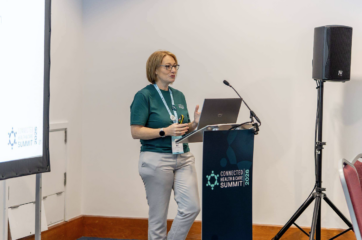
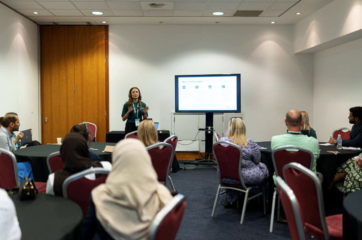
Implementing medics rostering is not the same as implementing nursing rostering, and organisations that treat it the same way can face significant implementation challenges. In this session from the Connected Health & Care Summit 2026, Luke Thornhill, Head of Workforce at RLDatix, is joined by Becci Mannion, Medical Workforce Lead at University Hospital Southampton NHS Foundation Trust and Clare Drake, Resident Medical Implementation Manager at Isle of Wight & Portsmouth Hospitals University NHS Trust to share the full journey, from first attempts and pandemic interruptions through to rolling out across 600 doctors, including what they would do differently if they started again.
Watch two trusts share their medics rostering journeys, including a failed first attempt, the value of starting with departments that want it, and why getting doctors’ names into the system on time remains the hardest problem in the NHS.
What the session covers and what both trusts experienced
This session takes the audience through implementation, adoption and ongoing rollout at two trusts at different stages. The key experiences were:
- University Hospital Southampton has been on a progressive 20-year journey from job planning tools through eRota to full activity-based rostering, with doctors onboarded onto ESR Go six weeks before their start date
- Portsmouth had a failed first attempt in 2019 starting with critical care, was interrupted by the pandemic, and restarted a year ago with ED as the first department, now at approximately 600 of over 1,000 doctors onboarded
- Both trusts agree that starting with departments that want to do it produces better engagement and adoption than mandating rollout in a fixed order
- Getting doctors’ names into the system in the right place at the right time remains a major operational challenge for both trusts
- The software has improved significantly since the first attempt, with features like headcounts making it viable for medics in a way it was not before
What works, what does not and what they would do differently
Becci Mannion describes a progressive approach: starting with unavailabilities, building engagement through app usage, then layering in activity-based rostering over time. She argues this builds trust with medics because they are not hit with a big bang of change. She would invest more in relationships with resident and senior doctors if starting again.
Clare Drake describes the opposite learning. Portsmouth went to too many departments at once and found they were starting but never finishing. She would keep medical HR closer throughout and escalate concerns earlier instead of trying to make things work. She turned off ESR Go because doctors were not added early enough and now manually onboards all resident doctors using a daily comparison report against medical HR’s rotational spreadsheet.
Both agree that rota coordinators who want to engage are essential, that flexibility in project management is critical, and that the challenges are remarkably similar across trusts, regardless of size.
What this means for other organisations and who it is relevant to
The audience Q&A surfaced challenges that resonate across the sector. An audience member described failing at implementation and considering stopping to restart in October. Both panellists encouraged this, arguing there is nothing wrong with pausing and that a phased approach can be more effective than a sudden rollout for medics. Another audience member asked about annual leave in days versus hours versus PAs, and Becci Mannion confirmed no one has solved this yet, describing it as a combination approach documented explicitly in policy.
An audience member from Great Western Swindon asked about the three hardest things after 20 years. Clare Drake identified getting doctors into the system on time as the permanent challenge, warning that a generation of medical HR expertise will retire and that organisations may need to consider how this knowledge is retained and transferred. Becci Mannion highlighted that medical directors change, and when they do, engagement can disappear. The system administrator who held everything together behind the scenes is often not visible until they leave.
Both panellists emphasised that consultants who are given pieces of the system progressively start asking for more, which is a far better position than implementing everything and having it feel done to them.
This session is relevant to medical workforce managers, rostering teams, rota coordinators, medical HR, medical directors and anyone responsible for medics rostering implementation, adoption or rollout.
Frequently asked questions
The session features Luke Thornhill, Head of Workforce at RLDatix, Becci Mannion, Medical Workforce Lead at University Hospital Southampton NHS Foundation Trust with 22 years at the trust, and Clare Drake, Resident Medical Implementation Manager at Isle of Wight & Portsmouth Hospitals University NHS Trust, who previously worked in medical HR. The audience includes medical workforce professionals from Great Western Swindon, Royal Surrey and other trusts.
The software had improved significantly with features like headcounts that medics need. The team chose a department that wanted to engage. They went at the pace of the departments rather than the board’s timeline. And rota coordinators had already used the system during strike action for four years, giving them familiarity and confidence. Clare Drake describes the biggest difference as acceptance that this is the way forward, combined with better tooling.
UHS uses ESR Go to transfer information from ESR and onboards doctors at six weeks before their start date. They have tight deadlines at the 10-week point for work schedules and rota summaries, with KPIs in place. Some departments like paediatrics self-roster and need access at 10 weeks. Becci Mannion describes this as a hard point to reach but one that works through close teamwork between departments.
Portsmouth turned off ESR Go because doctors were not added to ESR early enough. The team manually onboards all resident doctors using medical HR’s rotational spreadsheet. A daily comparison report identifies changes in the last 24 hours, and the team manually updates Optima, adds postings for the full year and sends Loop access emails. Clare Drake describes this as labour-intensive and easy to get wrong but the best solution they could find.
Both panellists recommended against a sudden approach for medics based on their experiences. Becci Mannion’s 20-year progressive approach-built trust incrementally. Clare Drake’s first attempt failed partly because the software was not ready and partly because they started with the wrong department. Both agree that consultants who are given pieces of the system progressively start asking for more, which is far better than implementing everything at once and having it feel imposed.
Getting doctors’ names into the system in the right place at the right time. Both trusts describe this as a major ongoing challenge. Clare Drake warns that medical HR expertise is generational: the people who understand the process are approaching retirement and organisations need to consider how that knowledge is retained and transferred. She describes the process as labour-intensive, paper-based, easy to error and under-resourced.
No. Becci Mannion confirms no organisation has fully solved this yet. UHS uses a combination of hours and days, documented explicitly in policy. Consultants want PAs, but annual leave entitlement only covers the contracted 40 hours, not the additional rostered hours. Becci Mannion is looking to the minimum standards for annual leave as a starting point for progress.