

Right Care: Datix GRC solution | Learn | Predict | Prevent

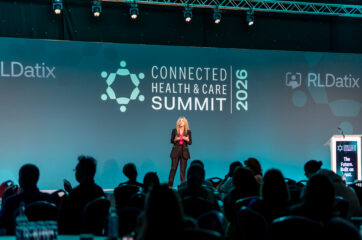
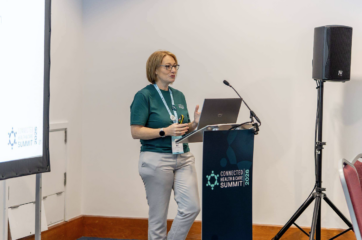
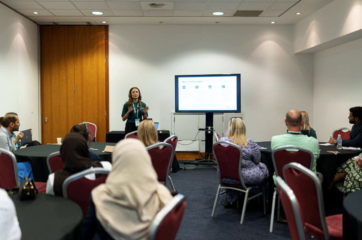
Patient safety has failed to improve over the past 30 years, with 22,000 avoidable deaths in the UK alone. But advances in technology and innovation are creating new opportunities to improve outcomes. In this product innovation session, Mark Linggood, Product Director for International Risk Products, and Katie Rudolphi, Product Manager for Audits and Standards, reveal how RLDatix is bringing governance, risk and compliance together into a single integrated platform designed to help healthcare organisations learn from incidents, predict emerging risks, and prevent harm.
Key themes from the panel
- A unified GRC platform for patient safety. Governance solutions in policy, compliance and quality solutions in audits and standards, and risk solutions in DCIQ are being brought together into a single connected platform.
- Connected data for new insights. When you connect audit data, risk data, and incident data, you can triangulate in new ways, identifying risks earlier and intervening sooner.
- Measurable correlations between workforce and safety. Work with NHS Wales identified that a one standard deviation increase in agency use leads to a 20% increase in harm rate from incidents.
- A strengthened investigations module. SEIPS adoption, configurable workflows, thematic reviews, and patient safety investigation reports are now available.
- AI-powered features in DCIQ. Sentiment analysis to detect blame culture and automatic classification of complaints and feedback records are now live.
- Safety Intelligence and benchmarking. RLD Safety Intelligence will enable anonymised benchmarking across providers to drive continuous improvement.
The challenges addressed and how the products respond
Patient safety is not getting better. Reports like the global state of patient safety by Imperial confirm this. Healthcare organisations manage governance, risk, and compliance across disconnected systems, making it difficult to see the full picture. Risk reviews tend to be time-driven and subjective. Investigations have historically relied on single-event analysis, missing the broader patterns. When data lives in silos, invisible risks remain invisible, and the opportunity to intervene early is lost.
RLDatix is restructuring its portfolio to bring policy management, audits and standards, and DCIQ together into one integrated platform. All three products now share single sign-on, a common UI, and a unified data hub. This means data flowing from incidents, audits, and policies can be triangulated, giving teams the ability to see audits alongside incidents for various themes, understand cause and effect, and build a holistic picture of organisational risk. The goal is to move from reactive, time-driven risk reviews to proactive, event-driven risk management.
What this means in practice and who it is relevant to
Before integration, users navigated between separate products with different interfaces, different data stores, and no joined-up view. Risk owners had to manually review policies, assurances, and controls across multiple systems to assess a single risk.
Following the intergration of the GRC portfolio , users can seamlessly navigate between products, review controls and assurances directly from the risk review form, and access integrated dashboards that pull information together into a single view. The investigations module now supports SEIPS-aligned analysis, configurable workflows, thematic reviews across multiple incidents, and the ability to produce final patient safety investigation reports. For enterprise risk management, review dates can be tied to risk scores, so high-risk items are reviewed more frequently while lower-risk items are reviewed less often, saving time and focusing attention where it matters.
Technology is also surfacing patterns that were previously invisible. Sentiment analysis detects blame culture in incident reporting, while auto-classification of complaints records reduces manual admin. Safety Intelligence benchmarking will allow providers to compare anonymised metrics and identify where they are outliers.
Frequently asked questions
GRC stands for governance, risk, and compliance. RLDatix is bringing its governance solutions in policy management, compliance and quality solutions in audits and standards, and its risk solution in DCIQ together into a single integrated platform. This allows healthcare organisations to connect data, streamline workflows, and gain a holistic view of safety performance.
When audit data, risk data, and incident data are connected, teams can triangulate information in new ways. This makes it possible to identify emerging risks earlier, act sooner, and understand cause and effect across different data sources rather than reviewing each in isolation.
RLD Safety Intelligence has three tiers. Oversight provides free anonymised benchmarking metrics so providers can see how they compare. Discover offers a paid drill-down into the metrics to understand what is driving outlier performance. Act will provide playbooks and recommended actions. Oversight for safety is expected to be available in the autumn.
Two AI features are currently live. Sentiment analysis identifies blame culture within incident reports by analysing the tone of the narrative. Automatic classification uses AI to populate subjects and sub-subjects on complaints and feedback records, reducing the manual effort required to categorise them.
The investigations module now includes configurable workflows with flexible statuses and timeframes, SEIPS-aligned contributory factors frameworks, the ability to conduct thematic reviews across multiple incidents, and the functionality to produce a final patient safety investigation report for sharing with commissioners and providers.
Key improvements include the ability to tie review dates to risk scores so that higher-risk items are reviewed more frequently. Future developments include flexible risk matrices, a risk score history view showing changes over time, and the ability to automatically infer control effectiveness and make recommendations on risk likelihood or impact.
DWeb remains a fully supported product and is not going anywhere. However, it is not part of the go-forward investment portfolio. It will continue to be maintained, but new innovation and integration work will focus on DCIQ and the wider GRC platform. Customers can transition in their own time.
Defect fixes will be released every two weeks in smaller, lower-risk updates. Major feature releases will continue every two months. Most DCIQ releases require no downtime and are deployed overnight, with a short contingency window of five to 15 minutes planned as a precaution.