

Rostering Reimagined: Creating Engaged, Efficient and Effective Teams
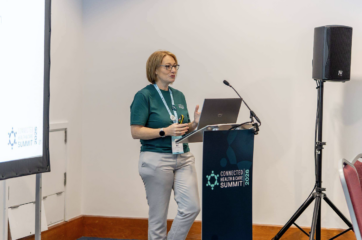
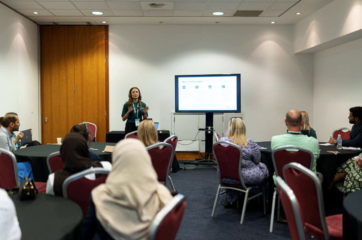
When band 7 nurses are spending two full long days every roster period just creating rotas, it highlights the need for a different approach. In this session from the Connected Health & Care Summit 2026, roster facilitators Danyul Khan and David Lew Yuk Yin from Guy’s and St Thomas’ NHS Foundation Trust share how they implemented team-based rostering across Critical Care and Evelina London Children’s Hospital. Using Loop, they transformed a paper-based, manager-led process into a staff-led, digitally enabled approach that cut rota writing time by more than 60% and achieved 99% positive feedback from staff.
Watch how Guy’s and St Thomas’ NHS Foundation Trust implemented team-based rostering across Critical Care and Evelina London, transforming staff experience and freeing up clinical time.
What team-based rostering delivered at Guy’s and St Thomas’
The numbers tell a clear story of operational and cultural transformation. The headline outcomes were:
- Rota writing time cut from 230 hours to 90 hours per roster period. Band 7 nurses reclaimed significant clinical time previously spent manually allocating shifts
- 69% of staff shift requests approved, against a target of 70%, with some areas achieving 80%. This compares with other trusts managing only 30 to 40%
- Staff positivity jumped from 30% to 99%. Before implementation, only 30% of staff were positive about the change. Twelve months later, 99% gave positive feedback
- 90% of staff said it made a real difference to their work-life balance. 80% said it motivated them to progress in their career, and 86% said it would help with retention
- Sickness absence reduced, associated with staff having more adequate rest periods between shifts
The rostering challenges the trust faced and how they responded
Before team-based rostering, Critical Care had over 600 nursing staff, 10 rota writers and over 150 flexible working agreements. Those 150 staff got the shifts they wanted, while the remaining staff selected whatever was left. Shifts were clumped together, staff felt overworked, and rota writers were spending over 230 hours per roster period on manual allocation. A previous attempt at self-rostering using paper forms had failed because paper got lost and the process was unmanageable.
The team consulted staff through workshops and FAQ sessions to understand what had gone wrong before and what would work now. They trialled team-based rostering as a free-for-all first, deliberately observing user behaviour before building rules. They then created a rostering policy aligned to the trust’s safer staffing requirements, capping night shift and unsocial hours requests, and rolled it out in phases starting with ICU before expanding to HDUs, respiratory and overnight intensive recovery. In Evelina London, the Flex Evelina programme launched a neonatal unit pilot with 118 nurses across three areas.
What this means in practice and who it is relevant to
The impact was visible across operational performance, staff experience and workforce outcomes. Staff who previously had shifts clumped together now had properly spaced rosters with adequate rest between duties. Where staff had previously tried to book five long days in a row, rules now required a day off or a switch to nights after two consecutive long days. The team reported reductions in sickness absence, which they associated with improved rest periods.
The time freed up had a direct impact on patient care. One nurse, Ginny, used the time she would have spent writing rosters to launch a hair and skin care project for critical care patients. The project has since received funding from the trust and external organisations and is now supporting other trusts. Families visiting critical care gave positive feedback, describing it as a much happier environment. Staff were more approachable, calmer and had time to sit with patients and provide personalised care.
The programme was also presented at NHS England e-rostering and flexible working conferences, demonstrating wider interest in the approach.
This session is relevant to critical care and intensive care units with large nursing teams and complex shift patterns, children’s hospitals and neonatal units seeking equity-based flexible working, multi-site NHS trusts rolling out team-based rostering at scale, and any ward or department looking to reduce rota writing admin, improve work-life balance and support staff retention.
Frequently asked questions
Team-based rostering allows staff to request their own shifts through a digital platform like Loop, rather than having a manager allocate every shift manually. Staff submit their preferred shifts and day-off requests within agreed rules, and the manager approves the final roster. It gives staff more control over their working pattern while maintaining safe staffing levels.
Before team-based rostering, Critical Care’s 10 rota writers spent over 230 hours per roster period on manual allocation. After implementation, that dropped to 90 hours. The time saved was redirected to clinical work, professional development and patient-focused projects.
The target was 70% approved shift requests. Critical Care achieved approximately 69% overall, with some areas reaching 80%. This compares favourably with other trusts that have only managed 30 to 40%. The approval rate typically increases over time as staff and managers become more familiar with the process.
Staff were consulted from the start through workshops, FAQ sessions, surveys and awareness weeks. The team deliberately did not launch with a rostering policy immediately, instead allowing a free-for-all period to observe user behaviour and then building rules based on what they learned. Communication was identified as the single most important factor in gaining staff buy-in.
Full-time staff could request 13 shifts plus five day-off requests per roster period. After two consecutive long days, staff had to take a day off or switch to nights. Caps were placed on unsocial hours and enhanced rate shifts to ensure fairness. Rules were aligned to the trust’s safer staffing policy and refined through multiple iterations.
90% of staff said it made a real difference to their work-life balance. 80% said it motivated them to progress in their career. 86% said it would support their retention at the trust. Sickness absence also reduced, linked to staff having better rest periods between shifts.
No single format works across all areas. The rules, skill mix requirements and demand templates need to be tailored for each department. What works in Critical Care will not work in a small ward with 20 staff. Each area requires individual consultation with stakeholders to understand their specific needs before implementation.
Key challenges included digital literacy among staff not used to Loop or mobile technology, the midnight request rush where eager staff submitted requests before others had a chance, and getting the right method for presenting vacant duties. These were addressed through awareness weeks, controlled request opening times and iterative refinement of how duties were displayed.