


Team-Based Rostering: Enabling Flexible Working and Improving Staff Experience
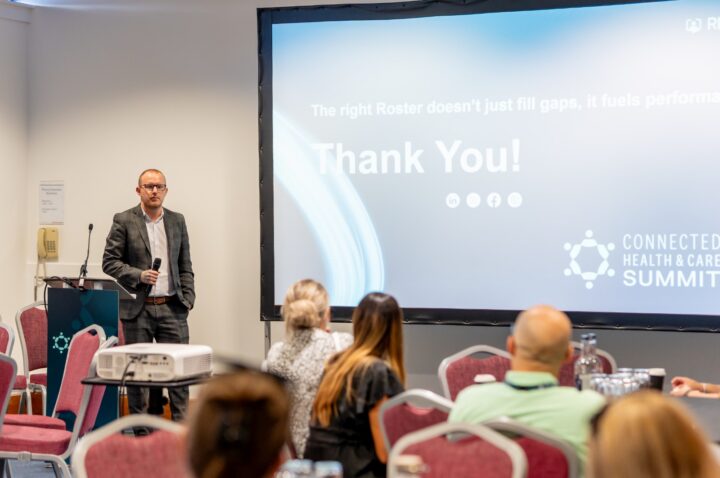
Rostering medical staff has long relied on spreadsheets, inconsistent practices and processes that do not scale. In this session from the Connected Health & Care Summit 2026, Chris Bond from the RLDatix medics adoption specialist team is joined by Nathan Bull, eRoster Business Manager at James Paget University Hospital NHS Trust, to share how they implemented team-based rostering for A&E medical staff across all grades. Using Optima and Loop, the trust has transformed a fragmented process into a clear, compliant and staff-led approach that is already exceeding expectations.
Watch how James Paget University Hospital implemented team-based rostering for A&E medical staff, delivering flexible working, better fill rates and joy at work.
What the implementation delivered
The before and after comparison tells the story. A roster full of gaps and unknowns has been replaced by a clear, fully populated view from the 5th of August changeover. The headline outcomes were:
- 95% of resident doctors were compliant with their requests before even starting at the trust, with user guides distributed in advance
- All A&E medical staff groups are now included on one roster for the first time: consultants, SAS doctors, resident doctors, physician associates and advanced clinical practitioners
- Working time directive and resident doctor rules are built into the system from day one. Staff cannot request anything via Loop that would breach compliance requirements
- The consultant rota coordinator said it exceeded his expectations, delivering beyond what the clinical lead had anticipated
The rostering challenges James Paget faced and how they responded
James Paget had inconsistent rostering practices across the organisation particularly for Medical Workforce. Medical staff rostering relied heavily on spreadsheets, with limited visibility and no standardised approach. The rostering team needed a smarter way to improve visibility, fill rates and consistency without additional resource, because in the current financial climate, extra headcount was not going to happen. Medics historically formed part of the 10% that were not fully compliant with rostering requirements.
The team followed a structured process. They identified the need for change using rostering metrics, Roster Perform and Oversight. They identified team-based rostering as a solution aligned with their requirements. They built a champion network, with the A&E clinical lead and consultant rota coordinator playing a pivotal role. They configured the system based on departmental requirements, delivered training in partnership with RLDatix, engaged end users through clear communication and user guides distributed in advance, and timed the go-live to align with the 5th of August resident doctor rotation changeover.
What this means in practice and who it is relevant to
Before team-based rostering, the A&E roster was full of gaps. It was unclear whether blanks represented days off, time in lieu, or simply unrostered staff. After implementation, the roster showed a completely different picture, with clear allocation, visible demand coverage and staff actively requesting their own shifts via Loop.
Resident doctors can now see all rotations for the entire year and request shifts up to 16 weeks in advance. The shift balancer allows rota coordinators to monitor whether each individual is on track with their shift balance across long days, nights and their work schedule, ensuring correct pay and compliance. Consultants are already asking to be included next, having seen the benefits in the resident doctor cohort.
The vision is to make rostering the front and centre of all workforce solutions. In conjunction with HR, the trust is using team-based rostering to demonstrate that it genuinely works flexibly, reducing absenteeism, improving fill rates and service provision, and supporting financial recovery targets. As Nathan put it: “The right roster doesn’t just fill gaps, it fuels performance.”
This session is relevant to A&E and emergency medicine departments implementing self-rostering for all grades, NHS trusts rolling out medics rostering using Optima and Loop, organisations with resident doctor rotations needing compliant and flexible rostering aligned to changeover dates, and any trust seeking to move from spreadsheet rotas to a digital, staff-led approach.
Frequently asked questions
Team-based rostering allows medical staff to request their own shifts through Loop, based on a demand template configured around service needs. Staff can see available shifts, make requests within compliance rules and use the shift balancer to track their allocation against their work schedule. The rota coordinator retains final approval of the roster.
The A&E roster covers all grades on a single unit: consultants, SAS doctors, resident doctors, physician associates and advanced clinical practitioners. While some of these are not medical and dental staff, they work closely enough with the medical team that having them on the same roster made practical sense for visibility and coordination. Wider rollout is underway within Nursing & Midwifery.
All working time directive rules and resident doctor specific rules are pre-set in the system from day one. Staff cannot request anything through Loop that would breach these requirements. This includes restrictions on maximum weekends, mandatory rest periods after night shifts and other regulatory requirements.
James Paget uses a 16-week timeline. All rotations for the entire year are also included on the roster, so resident doctors can see which placement they are rotating into and request shifts that far in advance. This was a change from the previous practice of showing only one rotation at a time.
Building a champion network was identified as the single most important factor. The A&E clinical lead and consultant rota coordinator were pivotal. Once they were trained on the system and bought into the approach, the transition to business as usual was smooth. Without that clinical buy-in at organisational level, implementation would have struggled to sustain.
RLDatix has been receiving growing demand for self-rostering functionality for five years, with a significant increase in the last two. Development has focused on emergency medicine and anaesthetics, with self-rostering for resident doctors a key initiative for the coming year. Features like the shift balancer are already in Optima, with visibility in Loop on the roadmap.
A clear communication was sent to incoming residents before they arrived at the trust. 95% were compliant with their requests before their start date. There were no significant engagement issues, which contrasted with the experience of some other trusts where residents did not even know Loop existed.
Key challenges include the roster period not always aligning with rotation changeover dates, the need for shift balance visibility to be surfaced in Loop for individual users, and managing fairness when some staff request over demand or try to secure large blocks of days off. These are being addressed through iterative rule refinement and ongoing product development.