

Getting ahead of risk: how MedStar Health uses data to keep patients safe
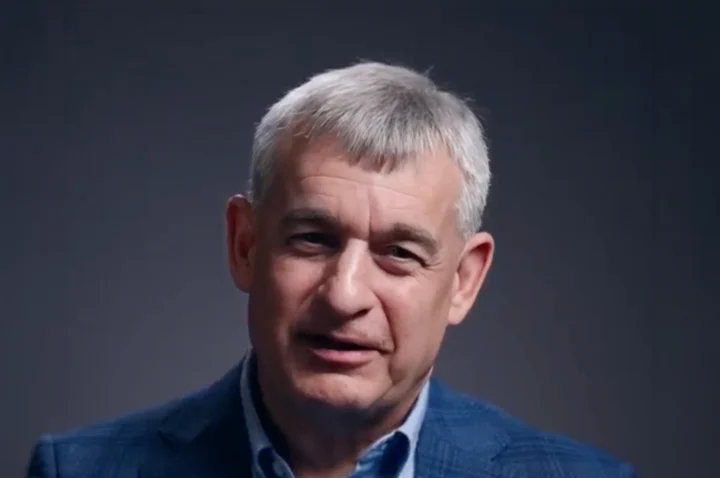
Healthcare is one of the most complex, high-stakes environments on the planet — and the people working in it do their best every single day. But effort alone isn’t enough to prevent harm. Dr. Terry Fairbanks, a human factors engineer, emergency physician and chief quality and safety officer at MedStar Health, knows that real safety comes from data: knowing where the risks are before they reach a patient, not after. That’s what this conversation is about.
Key takeaways from this conversation
- Keeping patients safe in a complex environment means using data to find risks before they cause harm — not just responding after the fact.
- Adverse events are rare in any single department, which creates a dangerous blind spot. Aggregated, system-wide data reveals patterns that local observation can’t.
- Safety is a team sport. No individual or department can manage it alone.
- Safety leaders need real-time visibility — hour by hour — to know where to direct their team’s attention.
- The right safety partner isn’t just a vendor. They’re thinking every day about how to help you get better.
How MedStar Health thinks about safety at scale
Here’s the hard truth about patient safety: serious adverse events don’t happen very often in any single hospital or department. And that’s exactly what makes them dangerous. When something is rare, it’s easy to assume it won’t happen to you — right up until it does.
Dr. Fairbanks has spent his career thinking about this problem. Across a large health system, accidents and near-misses add up. But at the department level, they’re invisible. That gap between what the data shows and what individual teams experience is where preventable harm lives.
Closing that gap means having the right tools — systems that aggregate data across your entire organization, surface emerging risks in real time and tell safety leaders where to focus before an incident occurs. That’s exactly what RLDatix is built to do.
The impact on teams and where this approach works
When a health system moves from reactive to proactive safety management, the shift is noticeable at every level. Safety teams stop chasing incidents and start preventing them. Leaders have real-time dashboards instead of lagging reports. And the culture shifts — from one where safety is documented after the fact to one where it’s actively managed every day.
As Dr. Fairbanks puts it: ‘We want a partner who’s thinking every day about how we can become safer and higher quality.’ That’s the bar RLDatix is built to meet.
This kind of data-driven safety approach matters most in:
- Large health systems managing risk across multiple hospitals or campuses
- High-acuity environments like emergency departments, ICUs and surgical units
- Organizations building a formal, mature safety culture from the ground up
- Quality and safety teams that need better data infrastructure and real-time visibility
Safety in healthcare isn’t a destination you arrive at. It’s something you work at every day. Having the right data — and the right partner — makes that work sustainable.
Hello, my name is Terry Fairbanks. I’m a human factors engineer and emergency physician, and I am the chief quality and safety officer at MedStar Health.
Healthcare is such a complex environment, and our healthcare workers come to work every day to do the best job they can. We have all kinds of technology and teams and communication and really high-risk, complex procedures. And how do we stay safe in that environment? It’s from using data to understand where the risks and the hazards might be so that we can mitigate them before they hurt a patient.
Certainly across the country, we know that accidents and adverse events happen all the time collectively. But when you narrow down into a single hospital or a single doctor’s office or a single emergency department, it’s rare — and that’s the challenge for all of us. We’re trying to mitigate errors in the big picture, but we don’t see them in the small picture in the world that we all live.
Becoming safe is about partnerships and about teamwork, and those of us who work in safety think about teamwork all the time. As a leader responsible for safety in a large health system, I need an hour-by-hour monitor to tell me where my team should be focusing our efforts in order to stay safe.
We want a partner and somebody who’s thinking every day about how we can become safer and higher quality for our patients.
FAQs
Because safety incidents don’t happen in isolation — they’re the result of system-level patterns that build up over time. Data lets health systems see those patterns before they result in harm. Without it, you’re mostly responding to things after they go wrong. With it, you can intervene early, redirect resources where they’re needed most and build a safety program that’s actually proactive rather than reactive.
Human factors engineering is about understanding how people interact with systems — and designing those systems so mistakes are less likely to happen. In healthcare, that means looking at how clinical workflows, communication structures, workload and environment all contribute to error. Dr. Fairbanks brings that analytical lens to safety leadership at MedStar Health, which means the focus is on fixing systems, not blaming people.
It takes a combination of consistent standards, centralized visibility and local accountability. Platforms like RLDatix allow system-level safety leaders to monitor risk data across an entire network in real time – spotting emerging trends, tracking performance and making sure lessons from one facility are applied across the board. Without that kind of infrastructure, multi-site safety management becomes guesswork.
It means your team isn’t waiting for something to go wrong before they act. It means reviewing near-miss reports regularly, monitoring safety indicators in real time, identifying which units or processes carry the most risk and building a culture where staff feel safe flagging concerns before they become incidents. It’s less dramatic than investigating a crisis — and a lot more effective.
Beyond the technology, it’s the partnership. Dr. Fairbanks says it clearly — what he’s looking for is someone who’s thinking every day about how to make his health system safer. That’s what RLDatix is committed to: not just providing a platform, but actively working alongside health system leaders to improve outcomes. The tools matter. The relationship matters more.