
Innovation in Learning: Collaboration Between PSIRF and Coroners
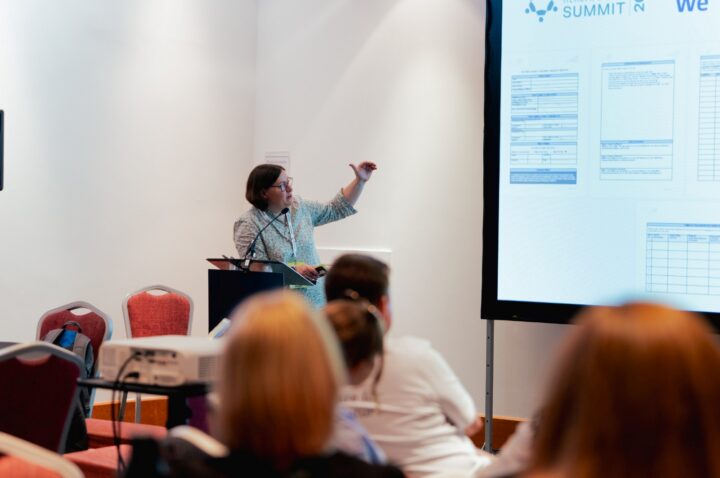
The Patient Safety Incident Response Framework changed the way trusts investigate and learn from incidents. But it created a policy conflict with the coroner’s process that NHS England left each trust to resolve locally. In this session from the Connected Health & Care Summit 2026, Stef Cormack, Head of Patient Safety at Sandwell and West Birmingham NHS Trust, shares how she and her legal colleague Conor Lees co-produced a structured inquest form with their local coroners, bridging the gap between PSIRF’s systems-focused approach and the coroner’s need for facts, causation and the balance of probability.
Watch how Sandwell and West Birmingham NHS Trust co-produced a PSIRF-aligned inquest form with their local coroners, reducing PFDs, supporting staff through inquests and delivering a standardised approach across two coronial jurisdictions.
What the session covers and what the form has achieved
This session walks through the practical reality of resolving the tension between PSIRF and the coroner’s process, including how the inquest form was designed, what it contains, and how it is used. The key outcomes were:
- A single standardised inquest form agreed with coroners across both Birmingham and Black Country jurisdictions
- Since implementation in 2024, the trust has received fewer Prevention of Future Deaths reports
- The form is used when there is no full Patient Safety Incident Investigation (PSII), bringing together learning responses, timelines, impact and actions in a format coroners can work with
- Coroners prefer the shorter inquest form over full PSII reports, which they find too lengthy
- The senior London coroner described the approach as complimentary when it was presented at a legal conference
- Staff are supported through the process with preparation sessions, anticipated questions and attendance at court alongside the legal team
The policy conflict and how Sandwell responded
PSIRF is systems-focused. It looks at contributing factors, uses frameworks like SEIPS, and promotes compassionate engagement. Coroners are primarily fact-focused. They want clear answers to four questions including: who, when, where and how. They want causation, the balance of probability and clear statements about whether an act or omission contributed to the death. The two approaches have fundamentally different mindsets.
Patient Safety Learning raised this conflict with NHS England early on. According to the discussion in the session, the response was that it was not for NHS England to resolve and that each trust should work with their local coroners. Helen Hughes, Chief Executive of Patient Safety Learning, describes this as having left trusts in a position of not quite knowing how to resolve it.
Stef Cormack and Conor Lees, Head of Legal at Sandwell, sat down with their chief coroners for both Birmingham and Black Country and asked what they actually needed from a PSIRF-aligned response. From that conversation, they built a structured inquest form that meets both sets of requirements.
What the form contains, how it is used and who it is relevant to
The form is used when there is no full PSII investigation. It brings together information from learning responses such as immediate swarms, after-action reviews and MDTs into a single structured document. It covers the who, when and where, states whether duty of candour has been completed, includes a concise timeline and identifies the type of learning response undertaken. The key section that differs from standard PSIRF outputs is the impact and outcome assessment, which addresses whether the trust’s act or omission caused or contributed to the death on the balance of probability.
The legal team reviews every form before submission. Stef is candid that the form is not approved by Chief Nurse or Chief Medical Officer but rather shared with the legal team to ensure a legal mindset. Actions are updated before every inquest to demonstrate that the trust has acted on its findings. The form also includes SEIPS work system diagrams as additional information to help coroners understand the contributing factors model.
Stef describes the trust’s approach as honest. If they caused harm, they put their hands up. The coroners appreciate the honesty, the structure and the fact that they always get the same format.
This session is relevant to heads of patient safety, legal teams, governance leads, chief nurses, medical examiners, investigators, and anyone responsible for preparing inquest responses, managing PSIRF implementation or supporting staff through coronial processes.
Frequently asked questions
The session features Stef Cormack, Head of Patient Safety and Specialist at Sandwell and West Birmingham NHS Trust. She has a PhD in human factors, is a paramedic by background and previously worked at the Health and Care Professions Council (HCPC) for eight years on fitness to practice. The session is introduced by Helen Hughes, Chief Executive of Patient Safety Learning. Conor Lees, Head of Legal at the trust, co-developed the form but was not presenting at the conference.
PSIRF is a systems-focused framework that examines contributing factors and promotes learning rather than blame. Coroners operate from a legal framework that requires fact-finding, causation and the balance of probability. PSIRF does not necessarily provide the kind of direct causation statements that coroners need. According to the discussion in the session, NHS England acknowledged the conflict but said it was not their responsibility to resolve it, leaving each trust to work with their local coroners independently.
The inquest form is a structured report used when there is no full patient safety incident investigation. It brings together information from learning responses into a single document that covers the who, when and where, duty of candor status, a concise timeline, the type of learning response undertaken, an impact and outcome assessment on the balance of probability, and actions taken. It is reviewed by the legal team before submission and updated with the latest actions before each inquest.
Conor Lees, Head of Legal, led conversations with the chief coroners for both Birmingham and Black Country. The approach was to explain PSIRF, ask what they actually needed and propose a standardised format. Stef says the coroners were happy with the assurance that they would always receive the same structured form, the same quality of information, and that the report author would always be available as a witness.
Since implementation in 2024, the trust has received fewer Prevention of Future Deaths reports. Coroners prefer the shorter inquest form over full PSII reports. The senior London coroner described the approach positively when it was presented at a legal conference. The trust has also found that the form makes it easier to support staff through the inquest process.
Conor Lees meets with clinical staff before each inquest and prepares them for the questions they might face from coroners and families. Stef shares the report with them and explains which sections they may need to speak to. They attend court alongside staff. Stef describes most clinical staff as terrified of the process and says this preparation makes a significant difference in reducing anxiety and supporting them through it.
A PSII is a full patient safety incident investigation. The inquest form is used when no full PSII has been undertaken, and the trust needs to provide the coroner with a structured summary from learning responses such as swarms, after-action reviews or MDTs. The session notes that coroners find full PSIIs too lengthy. Families value PSIIs because of the engagement involved, but coroners prefer the shorter, more direct format.
Helen Hughes, Chief Executive of Patient Safety Learning, introduced the session and has been linking the Sandwell approach with work at Barts Health. Patient Safety Learning identified the PSIRF and coroners policy conflict early and raised it with NHS England. Clive Flashman, Chief Digital Officer at the charity, is using large language models to extract better data from Preventing Future Deaths reports. Resources from the session are available on pslhub.org.