Turning investigations into learning: what NHS Wales leaders said when asked directly
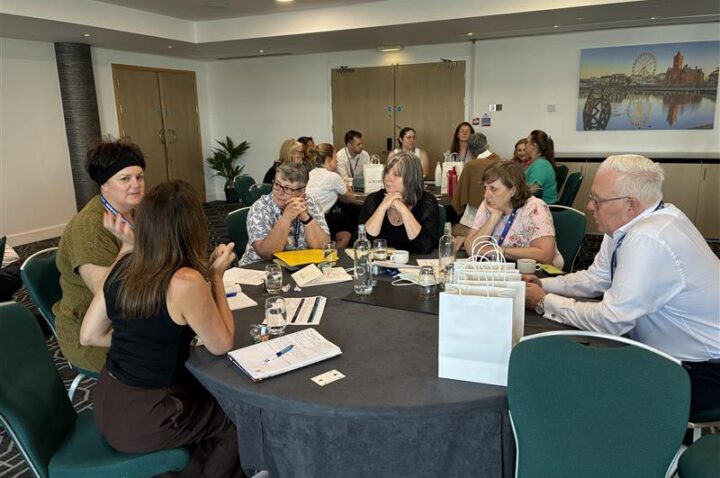
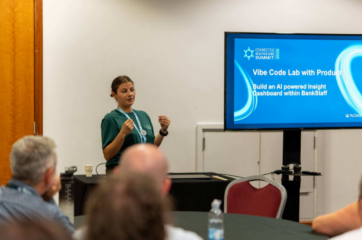
Insights from a facilitated workshop led by Pamela Johal, RLDatix, recorded at the RLDatix Wales: Listening and Learning for Improvement and Safe Care event, 23 June 2026, St. David’s Cardiff
The morning sessions made the case for why NHS Wales needs to shift from reactive reporting to proactive, system-wide learning. The afternoon started by asking the room to confront what that actually looks like in practice. Pamela Johal, RLDatix, facilitated an interactive workshop that put three questions directly to safety and quality leaders from across NHS Wales, and the responses were candid.
Key takeaways from this session
- Investigations often produce reports, not learning. There are pockets of good practice, but learning is not aligned across systems and services, and reports frequently go into a drawer without being acted on.
- The system is designed to look backwards. Organisations tend to react to events that have already happened rather than using continuous data to spot patterns and anticipate risk.
- Time is the most cited barrier. Operational pressures consistently come first, and getting the right people together for learning can take weeks or months.
- Digital fragmentation makes learning harder. Navigating multiple disconnected systems to retrieve information for investigations is complex and time-consuming.
- Effective system-wide learning requires peer engagement, shared standards and visible outcomes. Leaders called for more cross-organisation collaboration, flatter hierarchies and measurable reductions in harm as the true marker of learning.
The three questions
The workshop was structured around three discussion questions, each explored for five minutes at table level before feedback to the room. The questions built directly on the themes raised throughout the morning.
1. Are investigations creating learning, or are we just producing reports?
The feedback was honest. There are pockets of great learning and genuine system change in specific areas of work, but that learning is not aligned across all systems and services. Health boards have a limited view of what other organisations are doing and how they are communicating with each other.
The strongest theme was that the current system appears designed to look backwards.
"We didn’t feel that we look at continuous data enough to look at patterns and the story behind things, because we tend to be very reactive to events that have happened and look backwards.”
Workshop feedback, Discussion 1
Participants also raised the need to flatten hierarchical structures that interfere with progress, and the importance of senior permission and endorsement for multidisciplinary teams to engage in learning activity. A recurring point was that frontline teams need protected time to attend sessions that are perceived as not being directly clinical, even when those sessions are fundamental to improving safety.
2. What are the biggest barriers to turning findings into actions?
Time dominated the discussion across nearly every table. Getting the right people together to act on findings can take weeks, sometimes months. Operational pressures consistently take priority, and learning from incidents is not yet embedded as a frontline expectation.
"Operational pressures generally tend to come first, unfortunately. We need to get in that culture where we put learning from incidents at the forefront and try to prevent things from happening again.”
Workshop feedback, Discussion 2
A second barrier was capability. Several tables noted that safety and governance teams can see trends in the data but don’t always have the skills or tools to interpret them into actionable prevention strategies. They are not researchers, and the gap between seeing a pattern and knowing what to do about it is real.
Digital fragmentation compounded the problem. Navigating multiple disconnected systems to retrieve information for investigations is complex and time-consuming, particularly when revisiting cases from weeks or months earlier.
And there was a blunt observation that captured the frustration: reports are completed because they need to be, whether weekly or monthly, but they often go into someone else’s drawer. Nothing is learned from them. They are not seen at any level.
"We’ve completed a report that we need to do, but then nothing’s actually learned from it, or actually even seen at any level.”
Workshop feedback, Discussion 2
3. What does effective system-wide learning actually look like?
The third discussion shifted toward aspiration. Tables described effective learning in terms of visible outcomes: a measurable reduction in incidents and the introduction of wider risk reduction measures across health boards and across Wales.
The mechanisms for sharing already exist in many organisations: meetings, incident alerts, serious incident reviews and team briefings. But the feedback was clear that these need to be connected across the system, not confined within individual organisations.
"Ultimately we’d be looking for a reduction in incidents, introduction of wider risk reduction measures in other areas, and sharing done across the wider health board, across Wales.”
Workshop feedback, Discussion 3
Several tables highlighted that peer engagement sessions, like the event itself, are invaluable and rare. Having safety and quality leaders from across NHS Wales in the same room, sharing experiences and challenging each other, creates a kind of learning that reports and dashboards cannot replicate.
"Having a session like this with all of you together is certainly invaluable. We don’t really get this opportunity.”
Pamela Johal, RLDatix
The common thread
The workshop surfaced what the morning keynotes argued in principle: NHS Wales is producing investigations and reports at scale, but the learning loop is not closing. The barriers are structural (fragmented systems, disconnected health boards), cultural (hierarchy, operational pressures crowding out learning time) and practical (capability gaps in turning trends into action).
But the room also demonstrated the solution. When safety and quality leaders are given time to share openly, challenge assumptions and learn from each other’s experience, the quality of insight is immediate and tangible. The question is how to make that happen routinely, not just at annual events, but as part of the way the system works every day.
Moving from investigations that produce reports to investigations that produce learning is not a technical problem. It is a design problem. And based on what the room said, the elements needed are clear: protected time, flatter hierarchies, connected systems, peer engagement and a culture that treats learning as a frontline priority, not an administrative afterthought.
Continue the Conversation
The true value of investigations lies in the learning and improvement that follows. Effective organisations focus on identifying system issues, sharing insights and preventing future harm.
Related Summit sessions:
- Innovation in Learning: Collaboration Between PSIRF and Coroners
- Learning from Claims Data: A Systems Approach to Improving Patient Safety
- Psychological Safety and Incident Reporting
Discover practical approaches to strengthening investigations, supporting organisational learning and improving patient safety outcomes.
FAQs
This was a facilitated interactive workshop rather than a traditional presentation. Participants worked in table groups to discuss three structured questions about investigations and learning, with five minutes per question. A spokesperson from each table then shared key insights with the room. The format was chosen to model the kind of peer engagement and collaborative learning that the day’s content was advocating for.
The three questions were: (1) Are investigations creating learning, or are we just producing reports? (2) What are the biggest barriers to turning findings into actions? (3) What does effective system-wide learning look like? Each question was supported by additional discussion prompts to keep conversations flowing.
Time was cited most frequently across tables. Operational pressures consistently take priority over learning activity, and getting the right people together to act on investigation findings can take weeks or months. Digital fragmentation, capability gaps in interpreting data, and a culture that treats report completion as the endpoint rather than the starting point of learning were also raised repeatedly.
Participants described effective system-wide learning in terms of visible, measurable outcomes: a reduction in incidents, the introduction of risk reduction measures that spread across health boards and across Wales, and the routine sharing of learning through meetings, alerts, reviews and peer engagement. Several tables emphasised that cross-organisation peer sessions, like the event itself, create a quality of learning that cannot be replicated through reports alone.
The workshop built directly on themes from the morning keynotes. Helen Hughes argued that healthcare has an implementation gap, not an insight gap. Dr Louise Schaper made the case that connected data is infrastructure for safety. Gethin Bateman showed how Datix Cymru can act as a national telemetry system. The workshop tested those ideas against the lived experience of the people doing the work every day and confirmed that the barriers to learning are well understood. The challenge is building systems and culture that address them.